A Super‑Simple Guide to the Wheels on the Bus
Why the song sticks in every child's mind
The Wheels on the Bus isn’t just a catchy tune; it’s a miniature lesson in rhythm, repetition, and coordination. Parents and teachers love it because the melody loops predictably, letting kids anticipate the next line without feeling lost. That sense of control, combined with easy motions, turns a simple song into a mini‑workout for memory and motor skills.
Breaking down the lyrics, line by line
Most versions start with the classic opening:
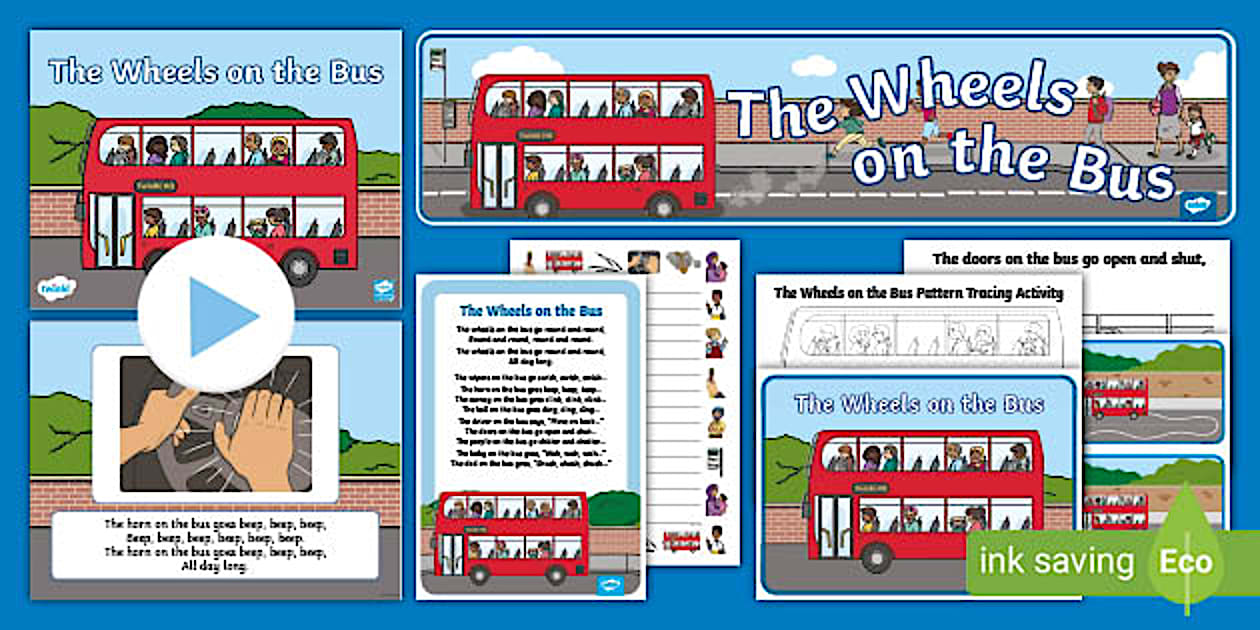
- The wheels on the bus go round and round
- Each verse then swaps the subject—doors, wipers, horn—while the action stays the same.
- Typical lines include “the doors go open and shut” and “the wipers go swish, swish, swish.”
Because the structure repeats, you can insert new verses on the fly. Want to teach colors? Slip in “the seats are red, yellow, blue.” The song’s skeleton is flexible enough to accommodate almost any theme you like.
How to teach it without a hitch
Start with the melody. Hum it a couple of times before adding words, so kids hear the pattern first. Once they’re comfortable humming, introduce the first line and demonstrate the motion—hands turning in circles for the wheels. Encourage them to join in, even if their movements are a little off; the goal is participation, not perfection.
After the first verse, add a second one and repeat the steps. Keep the pace slow enough for younger children, then gradually speed up as confidence builds. If a child struggles with a particular motion, break it down: for “swish, swish, swish” you can wave a piece of paper to mimic wipers, giving a visual cue that reinforces the sound.
Creative extensions that keep things fresh
Once the core verses are mastered, you can spice things up. A popular variation replaces “the horn” with “the bell,” especially in schools where a bus bell is more familiar than a horn. Some educators add a “the driver says” verse, prompting kids to shout simple commands like “stop” or “go.”
Another low‑effort idea is a “travel theme.” Swap “the wheels” for “the wheels on the bike” or “the wheels on the train,” then adjust the actions accordingly. This not only reinforces the original song but also introduces new vocabulary without starting a brand‑new tune.
Using the song for classroom routines
Because the song is predictable, it doubles as a transition signal. Sing the “wheels” verse when it’s time to line up, then follow with a “doors” verse to indicate it’s time to sit. The rhythmic cue helps children shift focus without a shouted instruction, creating a calmer environment.
Teachers also find it handy for language practice. The repeated phrase “go round and round” can be swapped for a foreign language equivalent, letting learners hear and repeat new words in a familiar melodic context. The song’s simple syntax makes it an excellent scaffold for early language acquisition.
Common pitfalls and how to avoid them
One mistake is cramming too many verses into a single session. Overloading can drown out the song’s natural rhythm and leave kids confused. Stick to two or three verses at most, then pause for a brief discussion or a movement break.
Another issue is ignoring individual pacing. Some children pick up the motions instantly, while others need a slower tempo. Adjust the speed on the fly; a gentle tempo can keep everyone in sync and prevent frustration.
FAQs
Q: How many verses are traditionally included?
A: Most recordings feature three to four verses, but there’s no hard rule. You can add or subtract based on the attention span of your group.
Q: Can I make up my own verses?
A: Absolutely. The song’s repetitive structure invites personalization—just keep the “go round and round” pattern for consistency.
Q: What age group benefits most?
A: The song works well for toddlers up through early elementary students. Younger kids love the motions, while older children enjoy creating new verses.
Q: Is it okay to change the melody?
A: Minor tweaks are fine, especially if they help fit a new verse. However, preserving the core melody ensures the song remains instantly recognizable.