Canada’s Top Flight Schools for Pilot Training Programs
When you’re weighing where to begin a career in the skies, pilot training in Canada often tops the list thanks to diverse weather, modern fleets, and internationally recognized certifications. From coast‑to‑coast campuses that nurture beginners to advanced programs that fine‑tune airline‑ready skills, the country offers a spectrum of options. Below, we break down the most reputable schools, what sets them apart, and how to match a program to your aviation goals.
What to Look for in a Canadian Flight School
Choosing a school isn’t just about tuition fees; it’s about the whole learning ecosystem. Consider these factors before you sign up:
- Regulatory accreditation: Ensure the school holds Transport Canada’s Part G certification, which guarantees compliance with national safety standards.
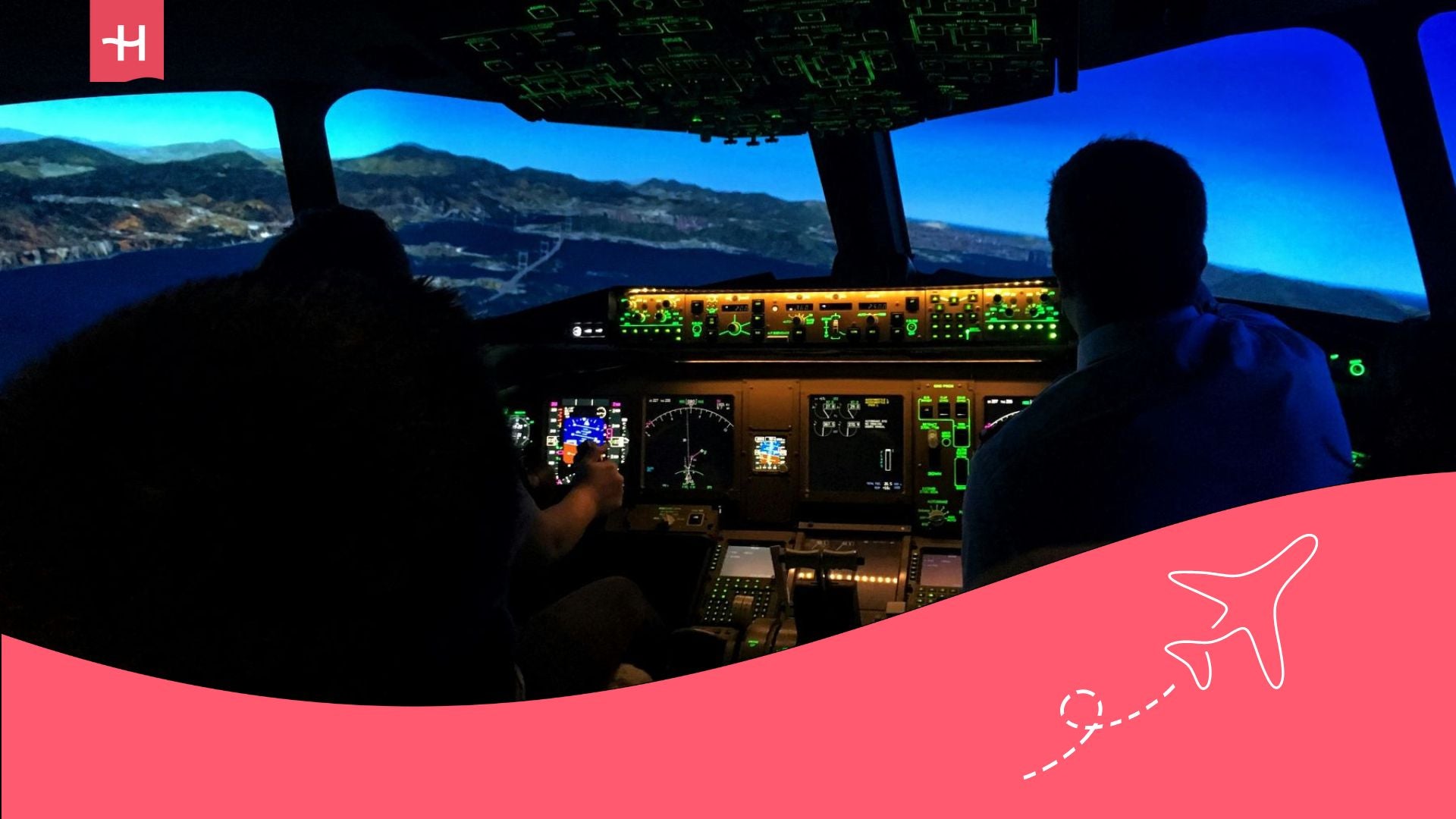
- Fleet diversity: A mix of single‑engine trainers, multi‑engine aircraft, and simulators prepares you for a range of real‑world scenarios.
- Instructor experience: Veteran pilots with airline or military backgrounds often bring valuable insights that go beyond textbook theory.
- Location and weather patterns: Training in varied climates—mountainous, coastal, or prairie—helps you develop adaptability.
- Career pathways: Look for schools that partner with airlines or offer job‑placement assistance.
Leading Flight Schools Across Canada
Here’s a snapshot of institutions that consistently rank high among aspiring pilots.
1. University of Waterloo – Aviation Faculty
Located near Toronto, Waterloo blends academic rigor with hands‑on training. Their Bachelor of Aviation program includes a 60‑hour flight component, access to state‑of‑the‑art simulators, and a co‑op model that places students directly with regional carriers.
2. Seneca College – Aviation Technology
Seneca’s campus in Peterborough boasts a fleet of Cessna 172s and Piper Warriors, plus a full‑motion flight simulator. The program is known for a strong emphasis on safety management and offers a direct pipeline to Air Canada’s cadet program.
3. Sault College – Aviation Management
Set in Ontario’s Sault Ste. Marie, this school provides an immersive environment with year‑round flying despite harsh winters. Students gain experience on both fixed‑wing aircraft and helicopter platforms, an uncommon combination in Canada.
4. Pacific Flying Club – Vancouver
For those on the West Coast, Pacific Flying Club offers a flexible schedule and a fleet that includes the Cirrus SR22, a glass‑cockpit aircraft that mirrors modern airline avionics. Their “Fast Track” program can take a student from zero hours to a Commercial Pilot License (CPL) in under 18 months.
5. Moncton Flight College – Atlantic Canada
Moncton’s reputation rests on its comprehensive CPL and Airline Transport Pilot License (ATPL) pathways. The school’s proximity to the Atlantic Ocean provides unique cross‑country navigation training, and they maintain partnerships with several Canadian carriers for internship placements.
Specialized Programs and Certifications
Beyond the basic Private Pilot License (PPL) and CPL, many schools offer niche tracks that can boost employability.
- Multi‑Engine Rating: Essential for airline pilots, this rating is often bundled with CPL courses at larger institutions.
- Instrument Rating (IR): Enables you to fly in low‑visibility conditions, a must‑have for commercial operations.
- Advanced Jet Training: Some programs, like those at the University of Waterloo, include jet simulator time and transition modules to turboprop or jet aircraft.
- Airline Cadet Programs: Direct pipelines to airlines, often featuring tuition subsidies, mentorship, and guaranteed interview opportunities.
Costs and Financing Options
Training expenses vary widely. A full PPL plus CPL trajectory can run between CAD 45,000 and CAD 80,000, depending on aircraft type and flight hours required. Here are ways to manage the financial load:
- Scholarships and bursaries: Many provincial aviation societies award funds to Canadian citizens pursuing flight training.
- Government student loans: Eligible students can apply for Canada Student Loans, which sometimes cover vocational programs.
- School‑sponsored financing: Institutions like Seneca and Moncton offer payment plans that spread tuition over the duration of the course.
- Employer sponsorship: Some regional airlines sponsor candidates who commit to a service period after licensing.
How to Choose the Right Program for You
Start by mapping your career timeline. If you aim for a regional airline within two years, a fast‑track CPL with a built‑in multi‑engine rating might be ideal. For those who value academic depth, a university‑affiliated degree offers both flight hours and a bachelor’s credential.
Next, visit campuses if possible. A quick tour can reveal the condition of aircraft, the modernity of simulators, and the overall vibe of the training environment. Talk to current students about job placement success—real‑world outcomes are the ultimate litmus test.
Finally, factor in location. Training in a region with frequent IFR (Instrument Flight Rules) conditions, such as the Rocky Mountains, can accelerate instrument proficiency, while milder climates like Vancouver’s may offer more consistent flying days.
Frequently Asked Questions
What is the minimum age to start pilot training in Canada?
Transport Canada permits student pilots to begin flight lessons at 16, but you must be at least 17 to hold a Private Pilot License.
Do I need a university degree to become a commercial pilot?
A degree isn’t mandatory, yet many airlines prefer candidates with a bachelor’s, especially those earned through aviation‑focused programs.
How many flight hours are required for a CPL?
The regulatory minimum is 200 total flight hours, though most schools guide students to 250–300 hours to ensure proficiency and competitiveness.
Can international students enroll in Canadian flight schools?
Yes—most institutions accept foreign applicants, though you’ll need to meet visa requirements and may have to convert any existing licenses to Transport Canada standards.