China’s Favorite Pastimes: The Most Popular Games Today
Why Gaming Is a Core Part of Modern Chinese Culture
From bustling city districts to quiet countryside villages, playing games is woven into everyday life across China. The habit stretches back centuries, but the digital age has amplified it, turning traditional pastimes into high‑tech sensations. Today, popular Chinese games not only entertain; they also serve as social glue, a way to unwind after long workdays, and even a pathway to professional careers.
Popular Chinese Games and Their Cultural Roots
When you hear “popular Chinese games,” most people first picture the clatter of tiles on a mahjong table. Yet the roster is far richer. Classic board and card games still dominate family gatherings, while mobile giants dominate the screens of commuters. Understanding these games reveals a blend of history, strategy, and a dash of superstition.
Mahjong: The Tile‑Based Social Ritual
Mahjong’s four‑player format makes it a natural conversation starter. Each round is a micro‑story of luck and skill, and the game’s origins in the Qing dynasty still echo in the symbols on the tiles. In many neighborhoods, a weekend mahjong session is as expected as a Sunday brunch.
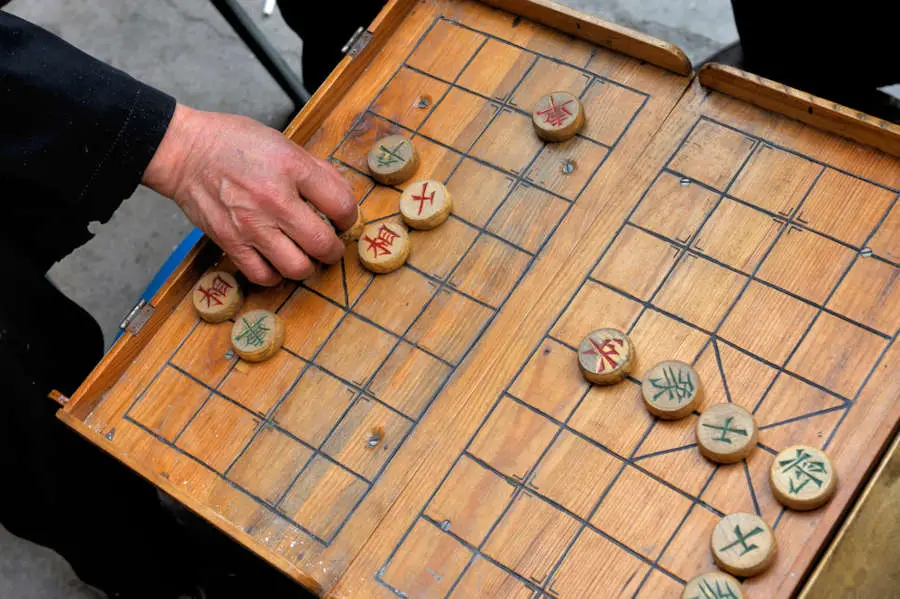
Weiqi (Go) and Xiangqi (Chinese Chess)
Both Weiqi and Xiangqi are revered for their deep strategic layers. While Go emphasizes territorial control on a 19×19 grid, Chinese Chess pits “generals” against each other on a board that mirrors ancient battlefield formations. Schools even host clubs where children learn the basics, reinforcing analytical thinking from a young age.
Dou Dizhu: The Card Game That Rules the Internet
Dou Dizhu, literally “Fight the Landlord,” is a three‑player card game that exploded online during the early 2000s. Its simple rules hide a surprisingly competitive meta, and platforms like QQ and WeChat still host millions of daily matches.
Mobile and Online Phenomena Dominating the Digital Landscape
China’s smartphone penetration exceeds 90 %, and developers have turned that connectivity into a playground of massive multiplayer experiences. The most popular Chinese games now live on screens that fit in a pocket.
- Honor of Kings – Developed by Tencent, this hero‑battler boasts over 200 million daily active users, making it the undisputed leader in mobile gaming revenue.
- Peacekeeper Elite (the Chinese version of PUBG Mobile) – Tailored to local tastes with patriotic skins and a stricter moderation system, it dominates the battle‑royale scene.
- Genshin Impact – Though marketed globally, its creator miHoYo (now HoYoverse) infuses Chinese mythology into the open‑world adventure, attracting both domestic and overseas fans.
- CrossFire – A first‑person shooter that remains a staple in internet cafés, especially among younger players who favor its fast‑paced gunfights.
These titles thrive because they blend short session loops with deep progression systems, letting players dip in during a commute or settle in for a marathon weekend.
Esports and Competitive Play: From Cafés to Stadiums
What once began in cramped internet cafés has blossomed into a multi‑billion‑dollar industry. Chinese esports teams regularly top global leaderboards, and the government now invests in dedicated arenas and training facilities.
League of Legends, Dota 2, and Honor of Kings each have professional leagues with televised finals that draw viewership comparable to traditional sports. Sponsorship deals, celebrity endorsements, and even college scholarships are now part of the ecosystem, turning passionate gamers into full‑time athletes.
Regional Flavors: How Local Traditions Shape Game Preferences
China’s vast geography means game popularity can vary dramatically. In the south, Mahjong variants like “Hunan” and “Cantonese” dominate, while in the north, the fast‑paced card game “Dou Di Zhu” enjoys a loyal following. Coastal cities with high tourist traffic often see a surge in casual mobile titles, whereas inland provinces still favor board games that encourage face‑to‑face interaction.
These regional nuances are reflected in online matchmaking algorithms that pair players based on language dialect and local etiquette, ensuring a smoother social experience.
What the Future Holds for Chinese Gaming
Looking ahead, several trends hint at the next wave of popular Chinese games. Cloud gaming services like Alibaba’s Youku Play are making high‑end titles accessible on low‑spec devices, while 5G rollout promises ultra‑low latency for real‑time multiplayer experiences.
Virtual reality is also gaining traction, with companies such as Nreal and Pico rolling out affordable headsets aimed at the mass market. Meanwhile, regulatory changes continue to shape content, pushing developers toward culturally resonant narratives and responsible gaming practices.
Frequently Asked Questions
What is the most played game in China right now?
Honor of Kings consistently tops daily active user counts, making it the country’s most played mobile title.
Are traditional board games still popular among younger generations?
Yes; many schools incorporate Mahjong and Xiangqi into extracurricular clubs, and families often gather for these games on holidays.
How does the Chinese government influence the gaming industry?
Regulations focus on content appropriateness, playtime limits for minors, and encouraging domestic development to promote cultural values.
Can I compete internationally as a Chinese esports player?
Absolutely—Chinese teams regularly qualify for global tournaments, and many players have become household names worldwide.