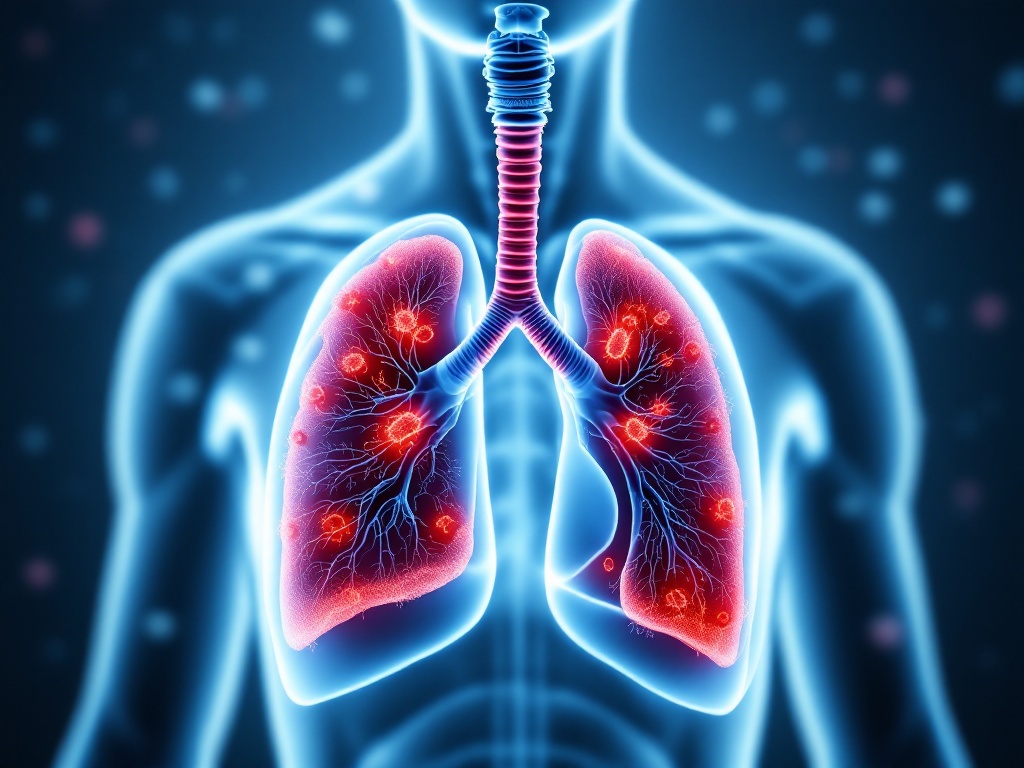
Chlamydophila Pneumoniae: Symptoms, Causes & Treatment
What is Chlamydophila pneumoniae?
Chlamydophila pneumoniae is a small, obligate intracellular bacterium that primarily targets the respiratory tract. Unlike some more aggressive pathogens, it tends to cause a slow‑burning infection that can be mistaken for a routine cold or flu. Because the organism lives inside human cells, it evades the immune system in subtle ways, often leading to prolonged, low‑grade illness.
Symptoms of Chlamydophila pneumoniae
The clinical picture varies with age, immune status, and whether the infection spreads beyond the lungs. Common respiratory signs include:
- A persistent, dry cough that lingers for weeks.
- Mild to moderate fever, usually under 101 °F (38.3 °C).
- Chest discomfort that worsens with deep breathing.
- General fatigue and occasional muscle aches.
Extra‑pulmonary manifestations are less frequent but worth noting. Some patients report sore throat, sinus congestion, or even ear pain. In rare cases, the bacterium has been linked to asthma exacerbations, sinusitis, and, occasionally, heart‑related complications such as pericarditis.
Because the symptoms overlap with more common viral illnesses, doctors often rely on a combination of clinical suspicion and laboratory testing to confirm the diagnosis.
How does someone catch the infection?
Transmission occurs mainly through respiratory droplets—think of the tiny particles expelled when an infected person coughs or sneezes. Close contact in crowded settings—schools, workplaces, or military barracks—provides the ideal environment for spread. The bacterium can also survive briefly on surfaces, so touching a contaminated object and then touching the face may facilitate infection.
Most healthy adults develop a mild illness, but certain factors increase the risk of a more severe course:
- Underlying lung disease such as chronic obstructive pulmonary disease (COPD) or asthma.
- Smoking, which impairs local airway defenses.
- Weakened immune systems, whether from medications, chronic illness, or age.
Diagnosing Chlamydophila pneumoniae
Because the symptoms are non‑specific, clinicians often start with a chest X‑ray to look for infiltrates that suggest pneumonia. Definitive diagnosis, however, hinges on laboratory methods:
- Polymerase chain reaction (PCR): Detects bacterial DNA from throat swabs or sputum samples.
- Serology: Looks for a rise in specific antibodies over a two‑week interval.
- Culture: Rarely used due to the organism’s demanding growth requirements.
In practice, many physicians treat empirically—prescribing antibiotics that cover atypical pathogens—when the clinical picture points toward Chlamydophila pneumoniae.
Treatment options
The bacterium belongs to the “atypical” class of pneumonia‑causing organisms, which means it does not respond well to traditional beta‑lactam antibiotics like penicillin. Instead, macrolides, tetracyclines, and fluoroquinolones are the mainstays of therapy.
- Macrolides (e.g., azithromycin, clarithromycin): Often the first choice because they are well tolerated and have a convenient dosing schedule.
- Tetracyclines (e.g., doxycycline): Effective alternatives, especially for patients who cannot take macrolides.
- Fluoroquinolones (e.g., levofloxacin): Reserved for cases where other agents are contraindicated or when resistance is suspected.
Typical treatment courses range from five to ten days, but some clinicians extend therapy for up to two weeks if the patient’s symptoms linger. Supportive care—adequate hydration, rest, and over‑the‑counter pain relievers—helps ease discomfort while the antibiotics take effect.
Preventive measures
Because there is no vaccine specifically targeting Chlamydophila pneumoniae, prevention focuses on general respiratory hygiene:
- Cover mouth and nose with a tissue or elbow when coughing or sneezing.
- Wash hands frequently with soap and water, especially after being in public places.
- Avoid close contact with individuals who are visibly ill.
- Maintain good indoor air quality; proper ventilation reduces droplet concentration.
People with chronic lung conditions may benefit from routine vaccination against influenza and pneumococcal disease, which can lessen the overall burden of respiratory infections and reduce the chance of a secondary Chlamydophila pneumoniae infection.
When to seek medical attention
If a cough persists beyond two weeks, is accompanied by fever that doesn’t subside, or is worsened by shortness of breath, it’s time to see a healthcare professional. Similarly, anyone with a known heart condition or chronic lung disease should be vigilant, as the infection can aggravate underlying problems.
Frequently Asked Questions
Is Chlamydophila pneumoniae the same as the more common “walking pneumonia”?
Both are forms of atypical pneumonia, but “walking pneumonia” is a lay term that can refer to several organisms, including Mycoplasma pneumoniae. Chlamydophila pneumoniae is one specific cause, often presenting with milder symptoms than classic bacterial pneumonia.
Can antibiotics shorten the illness?
Yes. Targeted antibiotics usually reduce symptom duration by a few days and lower the risk of complications. Starting treatment early—once the infection is suspected—offers the best outcome.
Are there long‑term health effects?
Most people recover fully. However, a minority may experience lingering cough or asthma‑like symptoms for weeks or months after the infection clears. Ongoing monitoring is advisable for those with pre‑existing respiratory conditions.
Do children get infected as often as adults?
Children and adolescents are actually more prone to acquiring Chlamydophila pneumoniae, likely because of close contact in schools and day‑care settings. In young patients, the infection often manifests as a mild, prolonged cough rather than full‑blown pneumonia.