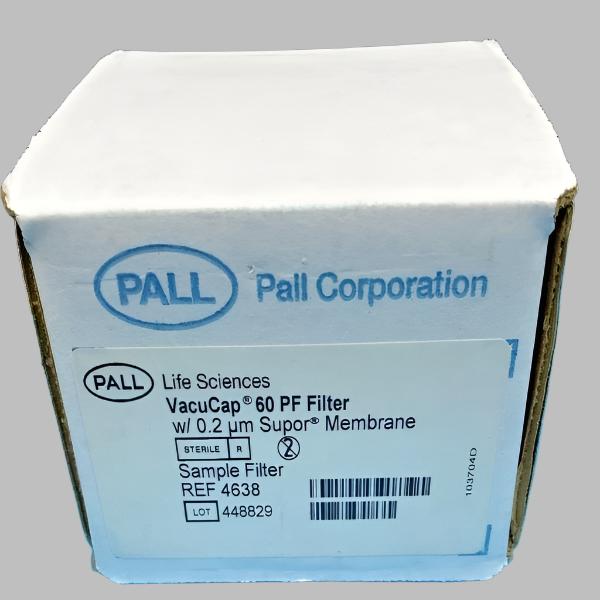
Everything You Need to Know About Pall Glass Fiber Filters
When it comes to demanding filtration tasks—whether in chemical processing, pharmaceuticals, or high‑temperature air handling—Pall Glass Fiber Filters often emerge as the go‑to solution. Their blend of durability, fine‑particle capture, and resistance to harsh environments makes them a versatile choice for engineers and plant managers alike. This guide walks you through the basics, performance benefits, selection criteria, and practical tips for getting the most out of these filters.
What Are Pall Glass Fiber Filters?
Pall glass fiber filters are filtration elements constructed from a non‑woven mat of fine glass fibers. The fibers are fused together at high temperatures, creating a stable, porous structure that can trap particles ranging from a few microns down to sub‑micron levels. Because the media is inherently inorganic, it tolerates temperatures that would melt or degrade polymer‑based filters, and it remains chemically inert to many aggressive solvents.
How Do They Work?
The filtration mechanism combines depth filtration with a surface‑capture effect. As fluid passes through the tangled fibers, particles become lodged within the three‑dimensional matrix, while clean fluid continues on. This “depth” action distributes the loading across the entire media, extending the service life compared with surface‑only filters.
- Mechanical entrapment: Larger particles are caught near the inlet surface.
- Diffusion capture: Very fine particles follow erratic paths and collide with fibers.
- Electrostatic attraction: In some glass fiber blends, residual charges aid in pulling charged particles into the media.
Key Advantages Over Other Media
While polymer membranes and metal meshes each have niche strengths, Pall glass fiber filters deliver a balance of traits that often outweigh the alternatives.
- High temperature tolerance—typically up to 600 °C (1112 °F), allowing use in furnace exhaust or hot gas streams.
- Chemical resistance—stable against acids, bases, and many organic solvents.
- Low pressure drop—the porous structure maintains flow while still achieving high filtration efficiency.
- Extended lifespan—depth filtration spreads particle load, delaying clogging.
High Temperature Resistance
Because glass fibers do not melt like polymer fibers, the filters can be employed in processes where temperatures exceed the limits of typical media. This makes them popular for hot‑oil filtration, steam condensate cleaning, and high‑temperature air purification.
Chemical Compatibility
In environments where strong acids (e.g., sulfuric acid) or solvents (e.g., toluene) circulate, glass fibers remain unchanged. The inert nature also reduces the risk of leaching contaminants into the product stream, a critical consideration for pharmaceutical and food‑grade applications.
Choosing the Right Pall Filter for Your Application
Selecting the optimal filter involves more than just picking the largest size available. Consider the following factors to match the filter to your process demands.
- Pore size (micron rating)—Determine the smallest particle you need to capture; typical ratings range from 0.5 µm to 10 µm.
- Flow rate—Higher flow rates increase pressure drop; ensure the filter’s design can handle your system’s velocity.
- Operating temperature—Confirm the filter’s maximum temperature exceeds your process peak.
- Chemical exposure—Match the media’s chemical resistance to the fluids being filtered.
- Housing compatibility—Check that the filter dimensions fit existing filter housings or that adapters are available.
Installation and Maintenance Tips
Even the best filter will underperform if installed incorrectly. Follow these best practices to keep performance consistent.
- Inspect the filter for damage before installation; any torn edges can compromise sealing.
- Pre‑wet the filter with a compatible fluid when the media is dry; this reduces initial pressure spikes.
- Verify that sealing gaskets are clean and properly seated to avoid bypass.
- Monitor differential pressure across the filter; a steady rise signals that the media is loading and may need replacement.
- Schedule routine inspections based on process criticality—some high‑purity lines replace filters at set intervals regardless of pressure readings.
Common Mistakes to Avoid
- Using a filter with a pore size too large for the required cleanliness, leading to product contamination.
- Exceeding the recommended flow velocity, which can force particles through the media and increase wear.
- Skipping pre‑wetting on dry filters, causing uneven flow distribution and premature clogging.
- Installing the filter backwards; the inlet and outlet sides are often marked for a reason.
Cost Considerations and ROI
While glass fiber filters can carry a higher upfront cost than basic polymer cartridges, their longevity and low maintenance often translate into a favorable return on investment. The extended service life reduces downtime for filter changes, and the ability to operate at higher temperatures can eliminate the need for separate heat‑resistant components. When calculating total cost of ownership, factor in:
- Filter price per unit.
- Expected lifespan under your specific load conditions.
- Downtime cost associated with filter replacement.
- Potential savings from avoided product loss due to inadequate filtration.
FAQ
Q: Can Pall glass fiber filters be used for liquid filtration?
A: Yes. Although they are most common in gas applications, many glass fiber designs are rated for liquids, especially when the fluid is chemically compatible and the operating temperature stays within limits.
Q: How often should I replace a glass fiber filter?
A: Replacement intervals depend on flow rate, particle load, and pressure drop trends. A typical rule of thumb is to change the filter when the pressure differential reaches 70‑80 % of the manufacturer’s maximum rating.
Q: Are these filters recyclable?
A: Because the media is inorganic, glass fiber filters can be reclaimed for certain industrial recycling streams, but they are not typically recycled in municipal programs. Check with your local waste management provider for options.
By understanding the construction, performance traits, and proper handling of Pall glass fiber filters, you can make informed decisions that keep your processes running smoothly and your products meeting the highest quality standards.