Exploring ISKCON Kirtan: A Pathway to Spiritual Growth
Stepping into an ISKCON kirtan session can feel like entering a living tapestry of sound, devotion, and community. The rhythmic chants, accompanied by traditional instruments, create an atmosphere where the ordinary dissolves into something deeper. For many, this experience is less a concert and more a personal pilgrimage toward inner peace. If you’re curious about how these gatherings become spiritual journeys, let’s unpack the layers together.
What Is ISKCON Kirtan and Why It Resonates?
ISKCON kirtan is a form of congregational chanting rooted in the Gaudiya Vaishnavism tradition founded by A.C. Bhaktivedanta Swami Prabhupada. Participants sing the names of Krishna—often “Hare Krishna, Hare Rama”—while a band of mridanga (drum), kartal (cymbals), and harmonium weaves melodic support. The repetitive nature of the mantra is designed to focus the mind, much like a mantra meditation, but with the added energy of group resonance.
The appeal lies in its inclusivity: anyone can join, regardless of musical skill or prior knowledge. The simple, repetitive phrases invite newcomers to feel the vibration without getting lost in complex theology. At the same time, seasoned devotees find a deeper expression of devotion, a way to align thought, speech, and action.
The Elements That Make a Kirtan Session Spiritual
Musical texture. Traditional Indian instruments produce a rich, layered soundscape. The steady pulse of the mridanga anchors the tempo, while the harmonium adds melodic depth. This combination creates a subtle “call and response” that encourages participants to echo the chant in unison.
Collective intention. When a group chants together, the intention—known as sankirtana—amplifies. The shared focus on the divine name is believed to generate a spiritual field that can uplift each individual’s consciousness.
Physical expression. Kirtan often involves swaying, clapping, or gentle dancing. These movements help release tension and align the body with the rhythm, making the experience both bodily and mental.
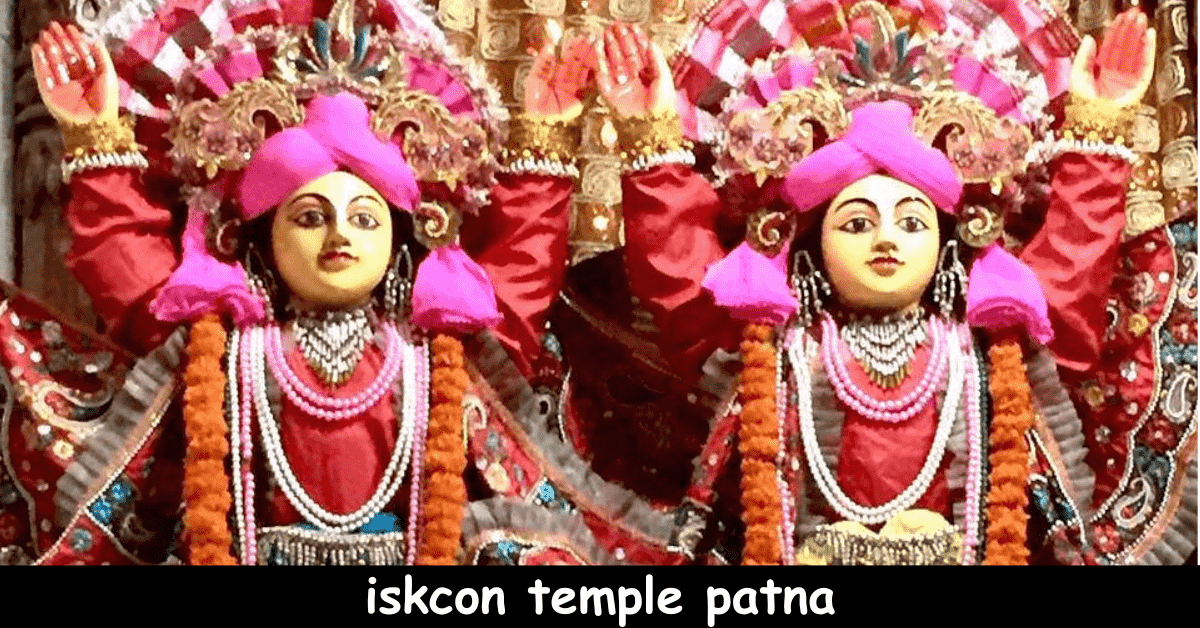
Environmental cues. Many temples decorate the chanting space with incense, flowers, and soft lighting. These sensory details signal that the moment is set apart from daily routine, nudging participants into a reverent mindset.
How to Experience ISKCON Kirtan as a Personal Journey
First, arrive with an open heart rather than a checklist. The most authentic moments arise when you’re willing to let go of expectations. If you’re nervous about singing, simply hum or tap the rhythm—participation is measured in presence, not volume.
Second, focus on the breath. Aligning inhalations with the chant’s beat can deepen the meditative quality. Notice how the mantra’s vibration settles in the chest and throat, creating a subtle resonance that can feel almost tactile.
Third, observe the community. Watching others lose themselves in the chant can be a mirror for your own surrender. Allow yourself to be carried by the collective energy; the sense of belonging often sparks insights that linger long after the session ends.
Finally, carry the feeling forward. Many devotees find that the calm and clarity experienced during kirtan seep into daily tasks, whether it’s handling a stressful work call or simply walking home. A brief reflection—perhaps journaling a line or two—helps translate the momentary uplift into lasting intention.
Common Misunderstandings About Kirtan
One frequent myth is that kirtan is a “religious ritual” exclusive to Hindus. In practice, the mantra’s focus on love and divine joy makes it accessible to people of any background. The chanting language is Sanskrit, but its emotional tone transcends linguistic barriers.
Another misconception is that musical skill is required. The chants are deliberately simple, and the accompanying instruments follow straightforward patterns. The power lies not in virtuosity but in the sincerity of the heart’s offering.
FAQ
- Can I attend a kirtan if I’m not a devotee of Krishna? Absolutely. Most ISKCON centers welcome visitors and encourage participation at any comfort level, whether you hum, clap, or simply listen.
- Do I need to learn the Sanskrit lyrics before joining? Not at all. Many temples provide transliterations or cue cards, and the repetitive nature makes it easy to pick up the mantra during the session.
- How often should I attend to feel the benefits? Frequency varies per individual. Some find weekly attendance sufficient, while others attend daily. The key is consistency—regular exposure helps the practice become a natural part of your rhythm.
Whether you’re seeking a moment of calm, a deeper connection to the divine, or simply a new way to experience community, ISKCON kirtan offers a unique pathway. By engaging the senses, aligning breath with mantra, and immersing yourself in collective devotion, you embark on a spiritual journey that continues long after the final note fades.