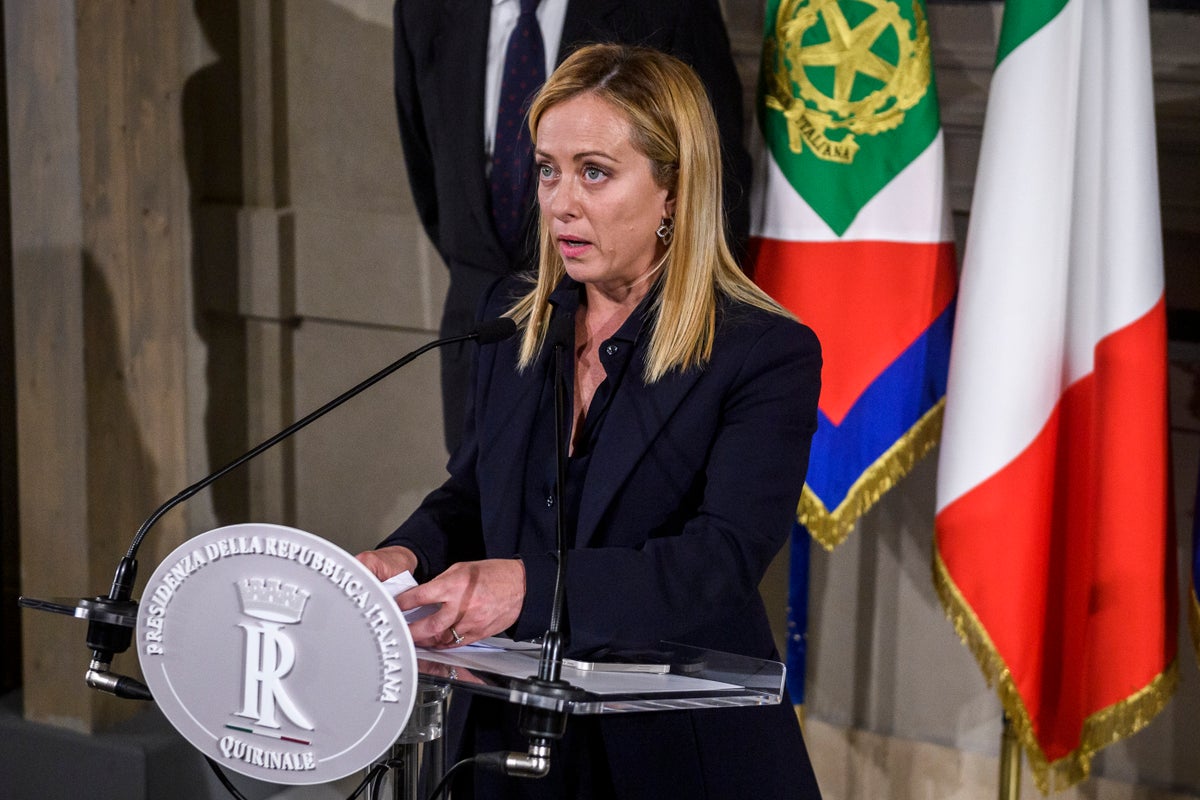
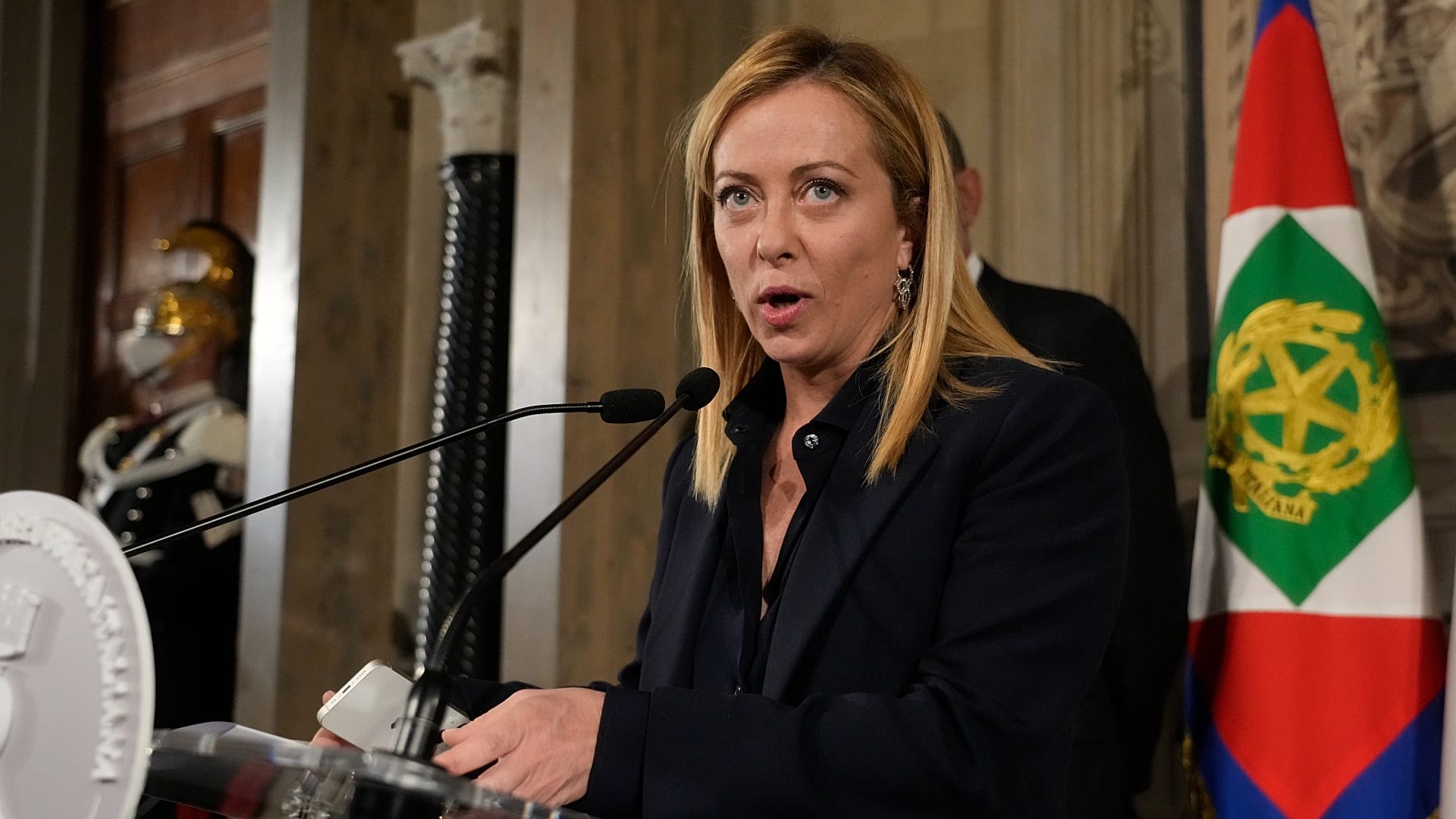
Giorgia Meloni’s Premiership: Italy’s First Female PM
When Giorgia Meloni stepped into the Palazzo Chigi in October 2022, she did more than just assume the country’s top job—she shattered a 75‑year‑old gender ceiling in Italian politics. The leader of the right‑leaning Brothers of Italy party rode a wave of voter fatigue with the technocratic establishment, promising a “sovereign” Italy that would put national interests first. Within weeks, her presence reshaped debates on everything from fiscal policy to the nation’s stance in the European Union. This article unpacks how Meloni’s historic ascent is influencing Italy’s domestic agenda, its role on the world stage, and the broader conversation about women in power.
Giorgia Meloni, Italy’s First Female PM, and Her Impact
Meloni’s rise was not a sudden surprise; it was the culmination of a long‑standing push by a new generation of conservative voters. Her campaign combined sharp nationalist rhetoric with a surprisingly pragmatic economic platform, appealing to both traditionalists and younger Italians disillusioned with stagnant growth. As the first woman to hold the premiership, she instantly became a symbol—both celebrated and contested—of change in a country where politics has long been a male‑dominated arena.
Breaking the Glass Ceiling in Rome
The 2022 election marked a turning point. After a fragmented centre‑left and centre‑right landscape in the 2018 vote, Meloni’s coalition secured a comfortable majority, allowing her to form a government without the need for a coalition partner’s veto. The historic nature of her appointment sparked a flurry of media coverage, from celebratory headlines in feminist journals to skeptical analyses in European think‑tanks. While some hailed her as a role model for aspiring female leaders, others warned that gender representation alone would not guarantee progressive policies.
Policy Priorities and Governing Style
Meloni’s cabinet emphasized fiscal responsibility, promising to cut public debt while preserving key social programs. She advocated for tax incentives aimed at small‑business owners and pushed for a gradual reduction of the “IRPEF” income tax brackets. On immigration, the government introduced stricter border controls, arguing that a “controlled approach” would protect Italian jobs and social cohesion. Her communication style—direct, often peppered with colloquial expressions—resonated with a public tired of diplomatic jargon.
In contrast to previous technocratic leaders, Meloni placed a stronger emphasis on cultural identity, supporting policies that promote “Italian heritage” in education and media. Critics argue that this focus can blur the line between cultural pride and exclusionary nationalism, a tension that continues to surface in parliamentary debates.
Domestic Impact: Economy, Society, and Culture
Early economic indicators showed modest improvement in consumer confidence, largely attributed to the tax relief measures for low‑income families. However, analysts caution that the benefits may be uneven, with the southern regions still lagging behind the more industrialized north.
Socially, Meloni’s tenure has revived discussions about gender roles in the workplace. While her presence as PM challenges traditional stereotypes, her government’s stance on issues such as reproductive rights—opting for a more conservative framework—has drawn criticism from women’s rights groups who argue that symbolic representation must be matched by substantive policy changes.
Culturally, the administration has increased funding for heritage sites and promoted “Made in Italy” branding abroad. This has helped boost tourism in lesser‑known provinces, though some fear that the emphasis on nationalism could marginalize Italy’s multicultural communities.
International Repercussions
On the European stage, Meloni navigated a delicate balance. She reaffirmed Italy’s commitment to the EU’s fiscal rules while pushing back against what she termed “over‑centralization” in Brussels. Her stance on the EU’s migration policy—advocating for more national control—aligned with other right‑leaning governments in the bloc, sparking both solidarity and friction.
Relations with the United States remained warm, particularly in the areas of defense and energy security. Meloni’s government supported NATO’s strategic objectives, while also seeking to diversify Italy’s energy imports away from Russian gas, a move welcomed by both EU partners and domestic industry leaders.
Challenges and Criticisms
Domestically, the opposition parties have mounted frequent protests, accusing Meloni of undermining judicial independence and curtailing press freedoms. While no concrete legislation has yet been passed to restrict media, the rhetoric surrounding “fake news” has raised alarms among journalists.
Within her own coalition, tensions occasionally surface, especially between the more moderate Forza Italia faction and the hard‑line elements of the League. Managing these internal dynamics requires careful political maneuvering, as any fracture could jeopardize the governing majority.
On the European front, Meloni’s eurosceptic remarks have prompted caution among EU officials, who worry that Italy might resist collective climate commitments or fiscal solidarity measures. So far, the government has complied with the EU’s climate targets, but the long‑term trajectory remains a point of negotiation.
Looking Ahead: What Meloni’s Tenure Could Mean for Italy
Predicting the full legacy of Italy’s first female prime minister is premature, yet several trends are emerging. If her economic reforms succeed in stimulating sustainable growth, she could redefine the narrative around right‑wing governance in Europe. Conversely, if social policies remain contested, the backlash could fuel a resurgence of progressive movements, especially among younger voters.
Beyond policy, Meloni’s very presence reshapes the perception of political leadership in Italy. Young women now have a tangible example of breaking into the highest echelons of power, even if the path ahead is fraught with ideological battles. Whether her impact will be remembered more for policy outcomes or for the symbolic doors she opened remains an open question—one that Italy will continue to grapple with for years to come.
FAQ
- What factors contributed most to Meloni’s rise? A blend of voter fatigue with centrist parties, a compelling nationalist message, and effective use of social media helped her capture a broad coalition of right‑leaning voters.
- How has Italy’s foreign policy shifted under Meloni? While maintaining NATO commitments, she has pushed for greater national control over migration and sought to diversify energy sources, signaling a more assertive but still collaborative stance within the EU.
- Is Meloni’s government considered far‑right? Opinions vary; her party’s roots are in post‑fascist traditions, but her coalition includes more moderate conservatives, placing her administration somewhere between traditional right‑wing and far‑right on the spectrum.