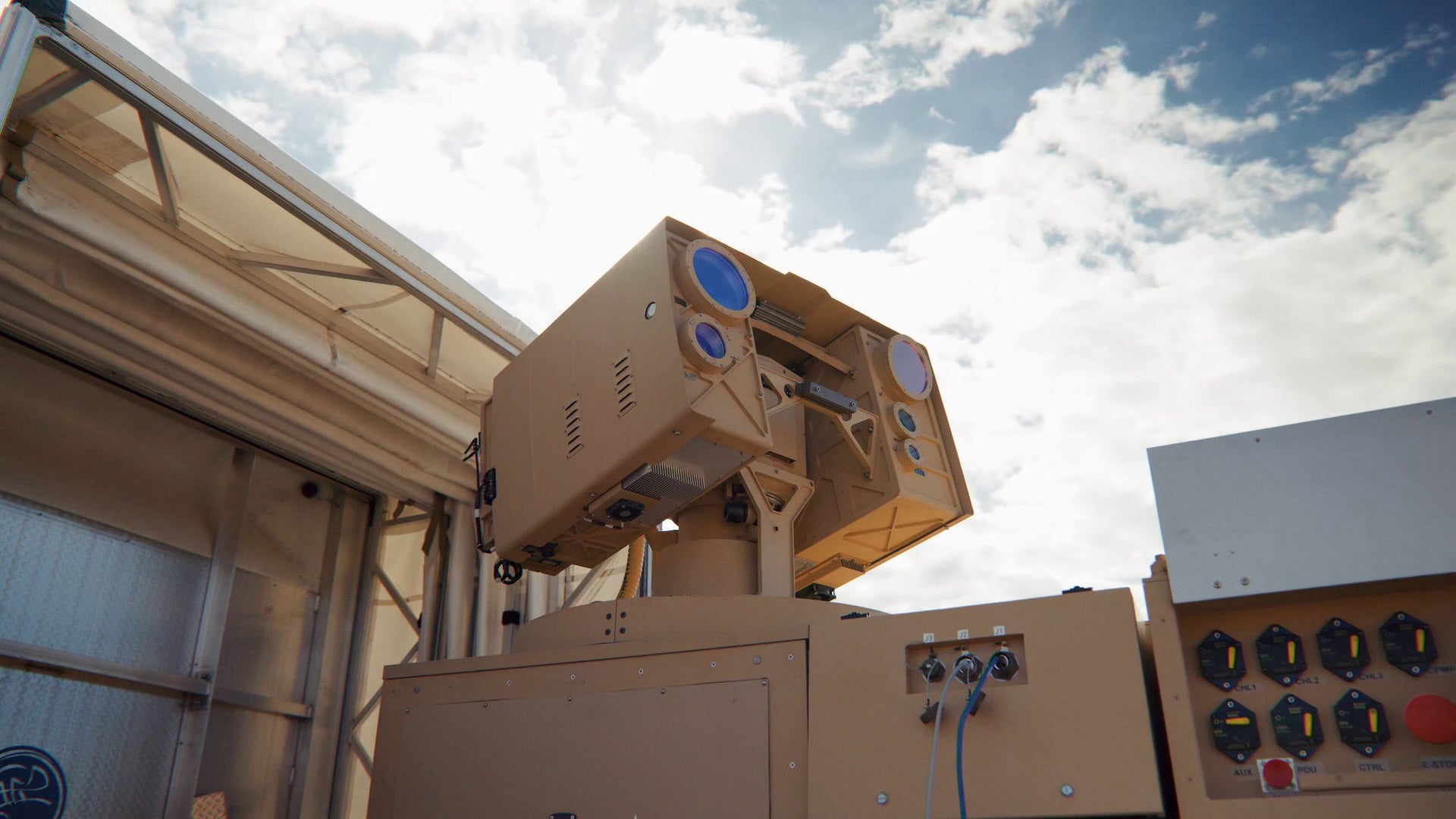
High‑Energy Laser Weapons: Powering Tomorrow’s Defense
High‑energy laser weapons are emerging as the next frontier in military technology. By focusing intense beams of light on targets, these systems can destroy or disable equipment with pinpoint precision and minimal collateral damage. The promise of faster, cheaper, and more sustainable firepower has driven governments worldwide to invest heavily in research and development.
What Are High‑Energy Laser Weapons?
At their core, high‑energy laser (HEL) weapons convert electrical energy into a coherent beam that travels at the speed of light. Unlike conventional munitions, the beam can be steered electronically, allowing rapid target acquisition and re‑targeting without the need for mechanical recoil or moving parts.
Key components include:
- Power source: large‑capacity batteries, fuel cells, or ship‑mounted generators.
- Optical amplification: fiber lasers or solid‑state devices that boost beam intensity.
- Beam director: adaptive optics that correct atmospheric distortion.
- Cooling systems: cryogenic or liquid‑metal circuits that dissipate heat generated by high‑power lasers.
High‑Energy Laser Weapons: Fundamentals and Applications
HEL systems are classified by their energy output, measured in kilowatts (kW) to megawatts (MW). A 100‑kW laser can disable small drones in seconds, while a 1‑MW system can destroy incoming anti‑ship missiles or armor‑piercing projectiles.
Typical applications include:
- Air‑to‑air defense: intercepting hostile aircraft or missile threats.
- Surface‑to‑surface engagement: disabling unmanned ground vehicles or fortified positions.
- Port and naval defense: protecting vessels from sea‑borne threats.
- Electronic warfare: jamming or neutralizing enemy radar and communication systems.
Key Advantages Over Conventional Systems
1. Speed of light engagement: A laser can strike a target in microseconds, eliminating the lag inherent in projectile travel.
2. Minimal collateral damage: The beam’s tight focus reduces the risk to nearby infrastructure and civilians.
3. Cost per shot: While initial deployment costs are high, the operating cost is relatively low compared to missile or gun ammunition.
4. Low maintenance: Fewer moving parts translate to fewer wear points and extended system life.
5. Scalability: From small handheld units to large shipborne arrays, laser technology can adapt to various platforms.
Current Development and Deployment Efforts
Several nations are actively pursuing HEL programs:
- United States: The U.S. Navy’s Laser Weapon System (LaWS) has been tested on the USS Ponce, achieving successful drone interceptions.
- Israel: The Iron Beam system integrates a laser with a kinetic intercept system to defend urban areas.
- China: Public reports indicate the development of shipborne laser turrets with 1‑MW class power.
- United Kingdom: The Defence Research Agency is exploring adaptive optics for coastal defense.
In addition, private contractors are collaborating with government agencies to accelerate prototyping and field trials.
Challenges and Limitations
Despite promising breakthroughs, HEL weapons face several hurdles:
- Atmospheric attenuation: Dust, fog, or rain can scatter or absorb the beam, reducing effectiveness.
- Power generation: Delivering sustained megawatt‑level power requires significant electrical infrastructure.
- Thermal management: Excess heat must be removed quickly to prevent optical distortion.
- Target adaptation: Reflective or ablative coatings on adversary equipment can diminish laser damage.
- Legal and ethical frameworks: International treaties and rules of engagement must evolve to address directed‑energy weaponry.
Future Outlook
As laser technology matures, we can expect to see:
- Integration with autonomous targeting systems for rapid response.
- Improved power electronics that enable continuous‑wave operation for long‑duration missions.
- Hybrid platforms combining kinetic and laser elements for layered defense.
- Expanded civilian applications such as high‑speed rail protection and wildlife management.
While the path to widespread deployment is still in progress, high‑energy laser weapons are poised to redefine battlefield dynamics, offering unmatched precision, speed, and flexibility.
FAQ
- What is the difference between a laser and a conventional gun? A laser emits a focused beam of light that travels at the speed of light, whereas a gun fires physical projectiles that require time to reach the target.
- Can lasers penetrate the atmosphere? Yes, but atmospheric conditions like fog, rain, or dust can attenuate the beam, reducing its range and effectiveness.
- Are high‑energy lasers safe for civilian infrastructure? When properly aimed and controlled, lasers cause minimal collateral damage, but safety protocols must ensure they do not inadvertently harm nearby structures or personnel.
- How long until they are deployed in combat? Prototype systems are already field‑tested, but full operational deployment depends on resolving power, reliability, and cost challenges.