Hit the Road, Jack: The Ultimate Prep Guide for Road Trips
Ready to Hit The Road, Jack! Your Ultimate Road Trip Prep Guide starts here. Before you buckle up, take a few minutes to plan, pack, and protect yourself and your vehicle. A smooth journey begins with a solid preparation plan that balances safety, comfort, and adventure.
1. Map Out Your Route With Purpose
Choosing the right path isn’t just about getting from point A to point B. Think about scenic byways, historic sites, and rest stops that fit your travel style.
- Use a reliable navigation app that updates traffic and road closures in real time.
- Identify key stops every 2–3 hours to stretch, refuel, and enjoy local cuisine.
- Print a backup map in case of technology failure.
2. Check Your Vehicle’s Health
A well-maintained car reduces the risk of breakdowns and unexpected expenses.
- Fluid levels: engine oil, coolant, brake fluid, and transmission fluid.
- Tire condition: tread depth, air pressure, and a spare.
- Battery and lights: clean terminals, working headlights, and a backup flashlight.
- Emergency kit: jumper cables, a first‑aid kit, and a basic tool set.
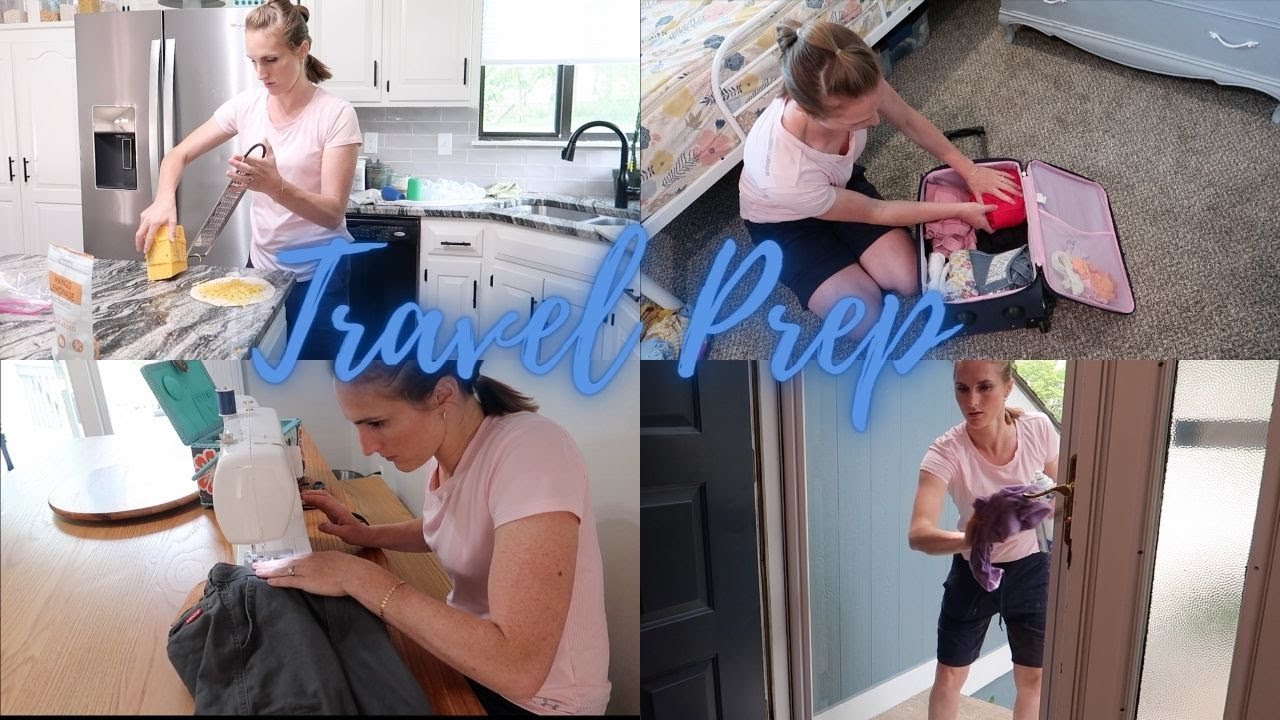
3. Pack Smart, Not Heavy
Efficiency beats excess. Organize with a system that keeps essentials within easy reach.
- Clothing: layers, waterproof jackets, and comfortable shoes.
- Electronics: chargers, a portable power bank, and a quality GPS device.
- Food and drinks: nonperishable snacks, water bottles, and a cooler for perishables.
- Entertainment: playlists, audiobooks, and a small selection of travel games.
4. Plan Your Budget Wisely
A clear budget keeps your trip stress-free and allows you to splurge on the experiences you value most.
- Fuel estimates: calculate based on distance and your vehicle’s fuel efficiency.
- Accommodation: mix hotels, campgrounds, or short‑stay rentals to save money.
- Food and entertainment: set daily limits and include a “splurge” allowance.
- Insurance: ensure your coverage includes roadside assistance.
5. Build Flexibility Into Your Itinerary
Road trips thrive on spontaneity, but some structure keeps you on track.
- Reserve a few “free” days with no fixed destination.
- Stay informed about local events or festivals that might interest you.
- Have a backup plan if a chosen attraction is closed or overcrowded.
6. Prioritize Safety and Comfort
Safety should never be an afterthought. Comfort, however, determines how much you’ll enjoy the ride.
- Schedule regular breaks every 2–3 hours to stretch and hydrate.
- Use travel pillows and blankets for long stretches.
- Keep a bottle of water in the car’s glove compartment.
- Set up a “home base” contact list for emergencies.
7. Capture the Journey
Remember the moments that make road trips memorable.
- Use a GoPro or smartphone mount for scenic shots.
- Keep a travel journal or blog to record highlights.
- Share snapshots on social media, but don’t let it distract you from the experience.
Frequently Asked Questions
- What should I do if my car breaks down on the road? Pull over safely, use hazard lights, and call roadside assistance. Keep a spare key and emergency contact handy.
- How can I avoid getting lost on unfamiliar roads? Rely on a GPS that offers voice guidance and confirm your destination with landmarks whenever possible.
- Is it worth bringing a travel pillow on a short trip? If you anticipate rest stops or layovers, it can make a difference in comfort.
- What’s a good budget for a 5‑day road trip? Roughly $150–$300 per person, depending on lodging, food preferences, and entertainment choices.