How Air Compressor Pressure Regulators Work and Why They Matter
When you fire up a shop air compressor, the first thing you want is a steady stream of air at the right pressure. That’s where an air compressor pressure regulator steps in. It’s the unsung hero that smooths out the surge from the pump, protects downstream tools, and lets you dial in the exact pressure you need for each job. If you’ve ever wondered why the pressure gauge jumps when you start a nail gun, the answer lies in how these regulators manage the flow.
Understanding the Basics of Air Compressor Pressure Regulators
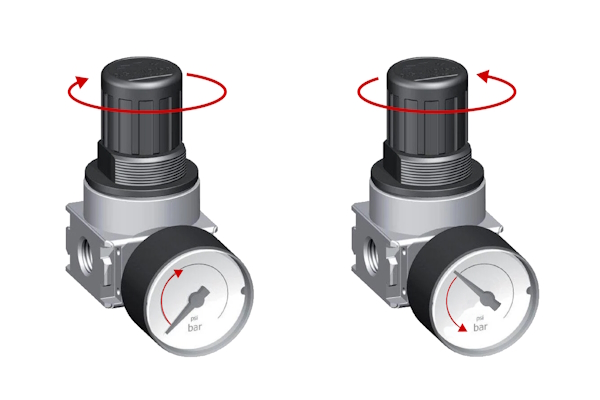
A pressure regulator is essentially a valve with a spring‑loaded diaphragm. The diaphragm senses the downstream pressure and pushes back against the spring, opening or closing the valve to keep the output steady. Think of it as a thermostat for air: you set a target, and the regulator does the work of maintaining that temperature—only the “temperature” is pressure, measured in pounds per square inch (psi).
Most compressors can generate anywhere from 90 to 150 psi, but many tools—like paint sprayers or pneumatic wrenches—operate best at 30 to 60 psi. Without a regulator, the excess pressure could cause premature wear, safety hazards, or inconsistent performance.
How the Regulator Maintains a Consistent Pressure
The magic happens inside a small chamber where the diaphragm and a spring interact. When the downstream pressure is lower than the set point, the spring pushes the valve open, letting more air through. As the pressure climbs, the diaphragm flexes, counteracting the spring and gradually closing the valve. This push‑and‑pull dance continues in real time, reacting to any changes in demand from the tool.
Because the regulator responds instantly, you’ll notice fewer pressure spikes when you start a tool and a smoother operation overall. That stability also translates to better energy efficiency; the compressor doesn’t have to work overtime to compensate for sudden drops.
Common Types of Air Compressor Pressure Regulators
- Single‑stage regulators: Simple, compact, and inexpensive. They’re ideal for light‑duty applications where the pressure drop between inlet and outlet isn’t drastic.
- Dual‑stage (or two‑stage) regulators: These have two diaphragms in series, providing finer control and a more stable output, especially useful in high‑pressure systems or when you need a very precise setting.
- Automatic (or self‑adjusting) regulators: Designed to maintain a set pressure even as the compressor’s output fluctuates, often found in industrial settings.
Choosing the right type depends on the compressor’s capacity, the tools you use, and how exact your pressure requirements are.
Choosing the Right Regulator for Your Compressor
Start by checking your compressor’s maximum output pressure. The regulator you pick must be rated at or above that figure; otherwise, it could fail or become a safety risk. Next, consider the typical pressure range of your tools. If you’re mostly running nail guns at 90 psi, a single‑stage regulator set around 90–100 psi will do. For a spray booth that needs a tight 30‑psi band, a dual‑stage unit offers the precision you want.
Another factor is the connection size. Most small‑shop compressors use 1/4‑inch NPT fittings, while larger units might require 1/2‑inch. Matching the thread ensures a leak‑free seal and avoids the need for adapters that could introduce pressure loss.
Installation Tips and Safety Precautions
Before you bolt a regulator onto the compressor, turn the machine off and release any stored air by opening the drain valve. This prevents a sudden burst of pressure that could damage the new regulator or cause injury.
When tightening the fittings, use a wrench but avoid over‑torquing. Too much force can strip threads or crack the housing. After installation, slowly open the regulator and let the compressor build pressure. Watch the gauge and listen for any hissing sounds that might indicate a leak.
Finally, always set the regulator to a safe baseline—typically the lowest pressure your tools need—before you start work. You can then increase it gradually if you discover a higher setting is required.
Maintenance Practices to Extend Regulator Life
Regular maintenance is straightforward but often overlooked. First, inspect the diaphragm for signs of wear or cracking; a compromised diaphragm can cause erratic pressure control. If you notice the output pressure drifting despite the knob being set, it’s time for a replacement.
Keep the regulator clean. Dust and oil can accumulate on the valve seat, leading to sticking or sluggish response. A quick wipe with a lint‑free cloth and a light spray of pneumatic‑compatible cleaner will do the trick.
Some regulators feature adjustable spring tension. If you’ve upgraded to a higher‑capacity compressor, you may need to increase the spring tension to prevent the valve from staying open too long. Follow the manufacturer’s guidelines for any adjustments.
When to Upgrade or Replace Your Regulator
If you’ve added new tools that demand different pressure ranges, or if you’ve upgraded your compressor to a higher PSI rating, it’s wise to reassess the regulator. Signs that an upgrade is due include frequent pressure fluctuations, audible “popping” when the tool starts, or visible leaks at the regulator’s inlet.
Investing in a higher‑quality dual‑stage regulator can pay off in the long run, especially in a professional workshop where tool uptime matters. Look for models with stainless‑steel bodies and replaceable diaphragms—they tend to last longer and resist corrosion.
Frequently Asked Questions
What’s the difference between a pressure regulator and a pressure switch?
A regulator continuously adjusts the airflow to keep pressure steady, while a pressure switch simply turns the compressor motor on or off when a set pressure is reached. They often work together: the switch starts the compressor, and the regulator fine‑tunes the output.
Can I use a regulator meant for gas lines on my air compressor?
Not advisable. Gas‑line regulators are calibrated for much lower pressures and different fluid dynamics. Using one on an air compressor could lead to inaccurate readings or premature failure.
How often should I replace the diaphragm in a regulator?
There’s no hard rule, but if you notice inconsistent pressure or a soft “spongy” feel when you turn the knob, the diaphragm may be worn. In most shop environments, a diaphragm lasts several years with proper care.
Do I need a regulator if my compressor already has a built‑in pressure gauge?
Yes. The gauge shows you the current pressure, but it doesn’t control it. A regulator actively maintains the desired pressure, protecting tools and ensuring consistent performance regardless of how the gauge reads.