How an Online Neuroscience Certification Boosts Brain Power
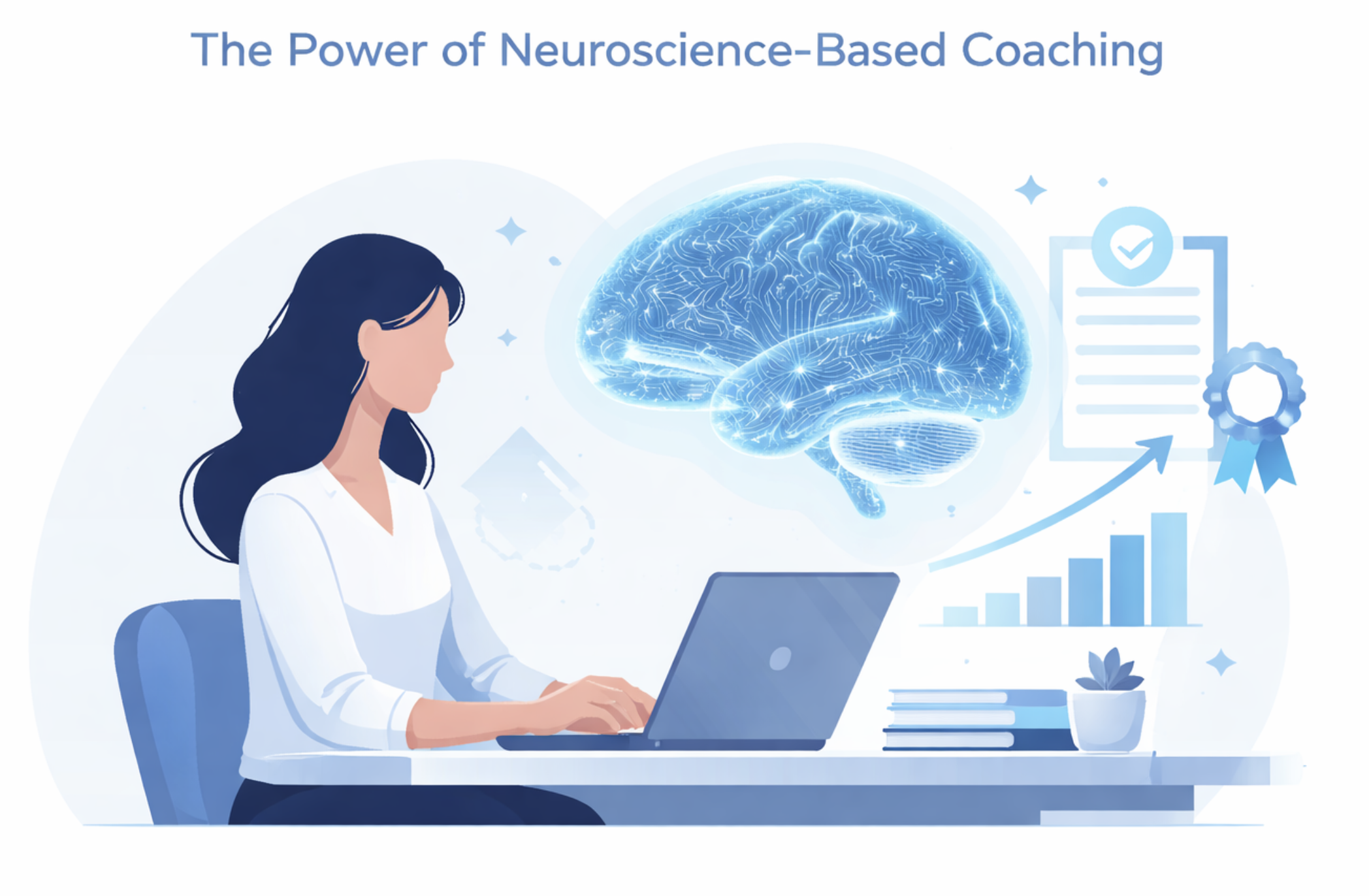
Curious about whether a neuroscience certification online can actually sharpen your mental abilities? The short answer is yes—when the curriculum is grounded in current research on neuroplasticity, cognition, and brain health, the learning process itself becomes a form of mental workout. By diving into topics like neural pathways, memory consolidation, and attention regulation, you’re not just earning a credential; you’re actively engaging the very mechanisms that underlie smarter thinking.
What Does an Online Neuroscience Certification Cover?
Most reputable programs blend three core strands:
- Foundations of brain anatomy—understanding structures from the cerebral cortex down to the brainstem.
- Cognitive neuroscience—how perception, memory, and decision‑making arise from neural activity.
- Applied neuroplasticity—evidence‑based strategies for enhancing learning, focus, and emotional regulation.
Courses typically include video lectures, interactive quizzes, and optional labs using virtual brain‑mapping tools. This mix keeps the material lively and mirrors the way real‑world neuroscience research is conducted.
How the Study Process Enhances Your Own Brain Skills
Learning neuroscience isn’t a passive intake of facts; it repeatedly activates the same networks you’ll later aim to improve. When you dissect a case study about memory loss, for example, you’re exercising episodic memory retrieval. When you design a simple experiment on attention span, you practice hypothesis testing—a cornerstone of critical thinking.
Research on “learning as a catalyst for neuroplastic change” suggests that engaging with challenging, concept‑rich material can increase gray matter density in regions linked to problem‑solving and self‑control. While individual outcomes vary, many learners report heightened focus, faster information processing, and a greater confidence in tackling complex tasks.
Who Should Consider This Credential?
The appeal stretches beyond a single audience. Here are a few typical candidates:
- Healthcare professionals who want a deeper grasp of brain mechanisms to complement clinical practice.
- Educators and trainers seeking evidence‑based techniques for boosting student engagement.
- Tech and data analysts interested in brain‑inspired algorithms and human‑computer interaction.
- Lifelong learners simply fascinated by how their own minds work and eager to apply that knowledge to personal growth.
Choosing the Right Program: Quality Over Flash
With a surge of “certificate” ads, it’s vital to vet options carefully. Look for these hallmarks:
- Accreditation or affiliation with a recognized university or research institute.
- Faculty who publish in peer‑reviewed neuroscience journals.
- Curricula updated within the past two years to reflect the latest findings.
- Opportunities for hands‑on practice, such as virtual labs or data analysis projects.
- Transparent grading policies and clear pathways for continuing education.
Programs that meet most of these criteria tend to deliver both a credible credential and a richer learning experience—two ingredients that together amplify the brain‑boosting effect.
Real‑World Benefits: From Career Moves to Personal Growth
Armed with a solid neuroscience foundation, you can pivot into roles like neuro‑consultant for tech firms, curriculum designer for brain‑based education, or wellness coach specializing in cognitive health. Even if you stay in your current job, the ability to translate complex brain concepts into actionable strategies can set you apart during performance reviews.
On the personal side, many graduates find that the habit of regular, evidence‑driven mental training carries over into daily life. Simple practices—such as mindful breathing informed by neuroscience or spaced repetition for skill acquisition—become second nature, subtly raising overall cognitive resilience.
Tips for Getting the Most Out of Your Online Certification
Success isn’t guaranteed by enrollment alone. Consider these practical habits:
- Schedule consistent study blocks; the brain thrives on routine.
- Engage in active note‑taking—summarize concepts in your own words, draw diagrams, or teach a friend.
- Apply what you learn immediately. Try a new memory technique after a lesson on hippocampal function.
- Join discussion forums or virtual study groups to exchange perspectives and stay motivated.
- Reflect weekly on how the material influences your thinking patterns; this meta‑cognition reinforces learning.
Frequently Asked Questions
Q: Do I need a background in biology to start an online neuroscience certification?
A: Most introductory tracks are designed for beginners, covering essential biology basics before moving into more complex topics. A genuine interest and willingness to learn are usually enough.
Q: How long does it typically take to complete a certificate?
A: Programs vary, but many can be finished in 8–12 weeks if you dedicate a few hours per week. Self‑paced options allow you to stretch the timeline as needed.
Q: Will the certification improve my job prospects?
A: While it’s not a substitute for a full degree, the credential signals specialized knowledge that can differentiate you in fields like health tech, education, and research support.
Q: Are there any scientific risks in trying brain‑training techniques learned from the course?
A: Most evidence‑based practices are low‑risk, such as mindfulness or structured learning. As with any new habit, it’s wise to start gradually and consult a professional if you have underlying health concerns.