How DNA Sequencing Sensors Are Transforming Genomics
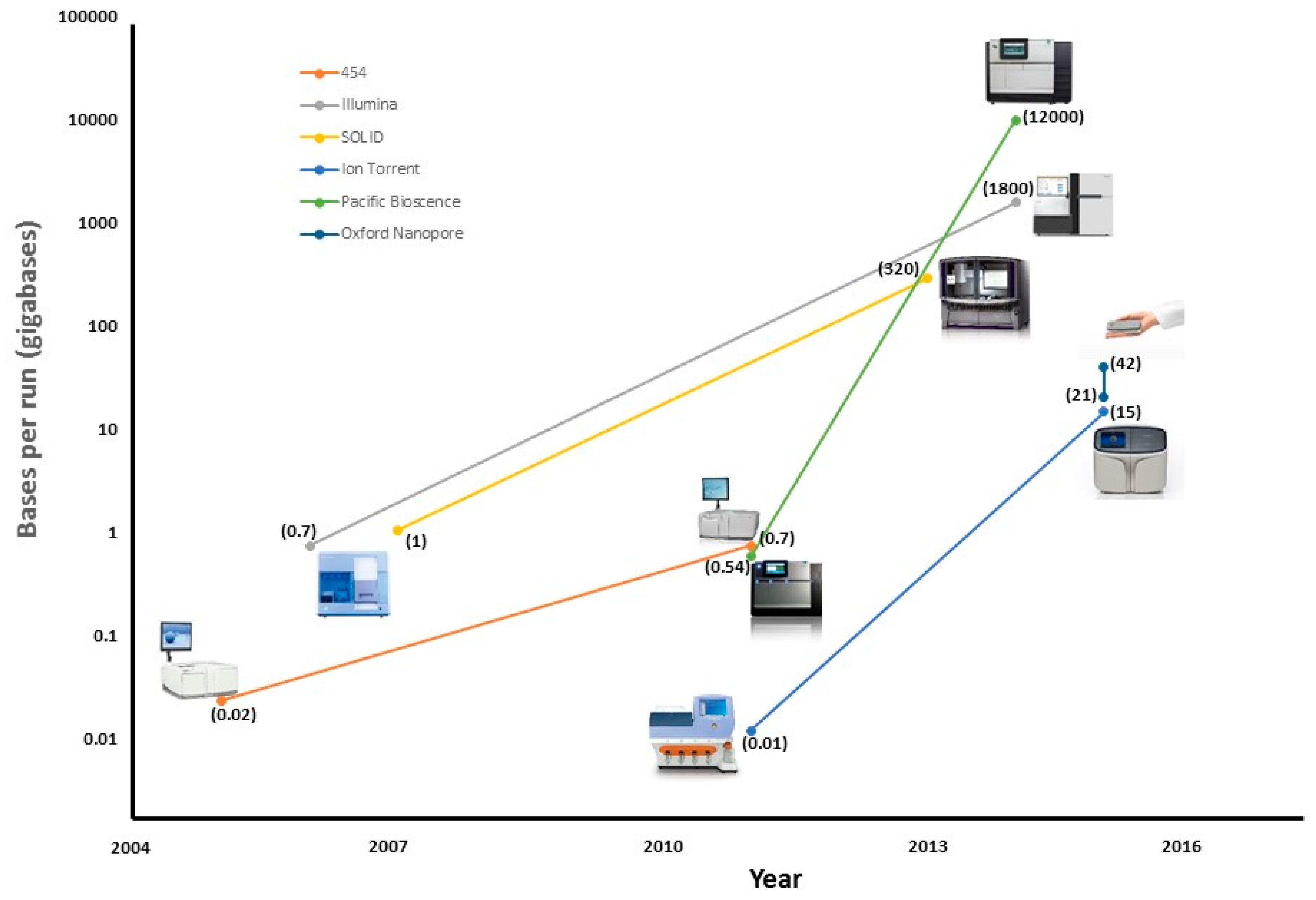
In the past decade, the ability to read genetic code has leapt from bulky laboratory machines to compact, real‑time devices. At the heart of this shift are DNA sequencing sensors—tiny platforms that convert the raw chemistry of nucleic acids into digital signals. Whether a researcher is mapping microbial diversity in a remote rainforest or a clinician is monitoring a patient’s cancer mutations at the bedside, these sensors are reshaping how quickly and affordably we can decode life’s blueprint.
What Are DNA Sequencing Sensors?
Simply put, a DNA sequencing sensor is an analytical element that detects the incorporation of nucleotides into a growing DNA strand and translates that event into an electrical, optical, or mechanical readout. Unlike traditional sequencers that rely on bulk optics and lengthy preparation steps, sensors integrate the detection chemistry directly onto a chip or microfluidic cartridge. This integration allows for in situ measurements, meaning the sample never has to leave the device. The result is a portable, often disposable, system capable of delivering data in minutes rather than days.
How Do They Work?
Most modern sensors share a three‑stage workflow: sample preparation, nucleotide detection, and signal conversion. After a short extraction step, DNA fragments are either amplified or attached to a carrier that guides them over the sensing surface. As polymerases add nucleotides, each incorporation releases a minute by‑product—such as a hydrogen ion, a fluorescent photon, or a change in mass. The sensor’s transducer—be it a pH‑sensitive field‑effect transistor, a photodiode array, or a nanomechanical cantilever—captures this by‑product and generates a trace that software then aligns to a reference genome.
Key Technologies Behind Modern Sensors
- Nanopore membranes: Tiny pores puncture a thin film, letting single DNA molecules thread through. The resulting disruption of ionic current reveals each base’s identity in real time.
- Silicon photonics: Integrated waveguides direct light to fluorophore‑labeled nucleotides, delivering high‑throughput optical detection on a chip the size of a credit card.
- Electrochemical biosensors: These rely on pH shifts caused by polymerase activity, converting chemical changes into voltage spikes that a microcontroller can log.
- Mass‑spectrometry‑based nanomechanics: Resonant cantilevers vibrate differently when a nucleotide binds, turning a mass change into a frequency shift.
Each approach balances sensitivity, speed, and cost. For instance, nanopores excel at ultra‑long reads but can struggle with homopolymer errors, while silicon photonics offers high accuracy but often requires more elaborate optics.
Applications in Research and Medicine
In environmental genomics, field‑deployable sensors have enabled scientists to profile microbial communities in situ, cutting down on sample degradation and logistical overhead. In clinical settings, rapid sequencing of viral genomes—such as during recent outbreaks—has informed public‑health decisions within hours. Oncology stands to benefit particularly from point‑of‑care sensors that track circulating tumor DNA, allowing oncologists to adjust therapies on the fly. Moreover, agricultural biotechnology uses portable sequencers to screen seed genetics, ensuring crop resilience without the need for centralized labs.
Challenges and Future Directions
Despite impressive strides, several hurdles remain. Accuracy still lags behind the gold‑standard Illumina platforms, especially for low‑frequency variants. Sensor stability under variable field conditions—temperature swings, humidity, or dust—can also affect performance. Manufacturers are therefore focusing on ruggedized packaging and on‑chip error‑correction algorithms. Looking ahead, the convergence of artificial intelligence with sensor data promises smarter base‑calling and real‑time variant annotation. Additionally, hybrid systems that combine nanopore and optical modalities may soon deliver both long reads and high fidelity in a single handheld device.
Frequently Asked Questions
Can DNA sequencing sensors replace traditional laboratory sequencers?
Not entirely. While sensors excel at speed and portability, large‑scale projects that demand ultra‑high accuracy and massive throughput still rely on bench‑top instruments. However, for many diagnostic and field‑research scenarios, sensors are already a viable alternative.
How much does a typical DNA sequencing sensor cost?
Prices vary widely. Entry‑level handheld units start around a few hundred dollars, with consumable cartridges ranging from $50 to $200 per run. High‑end integrated platforms can cost several thousand dollars, but the overall expense is usually lower than that of conventional sequencers when factoring in infrastructure and labor.
Is specialized training required to operate these sensors?
Most modern devices are designed with user‑friendly interfaces and automated workflows, so a basic laboratory technician can run them after a short training session. Advanced data analysis may still need bioinformatics expertise, but many manufacturers bundle cloud‑based pipelines to simplify interpretation.
What types of samples can be analyzed?
Beyond purified DNA, many sensors accept crude extracts from blood, saliva, soil, or water. Some platforms even support direct RNA sequencing, expanding their utility to transcriptomics without a reverse‑transcription step.