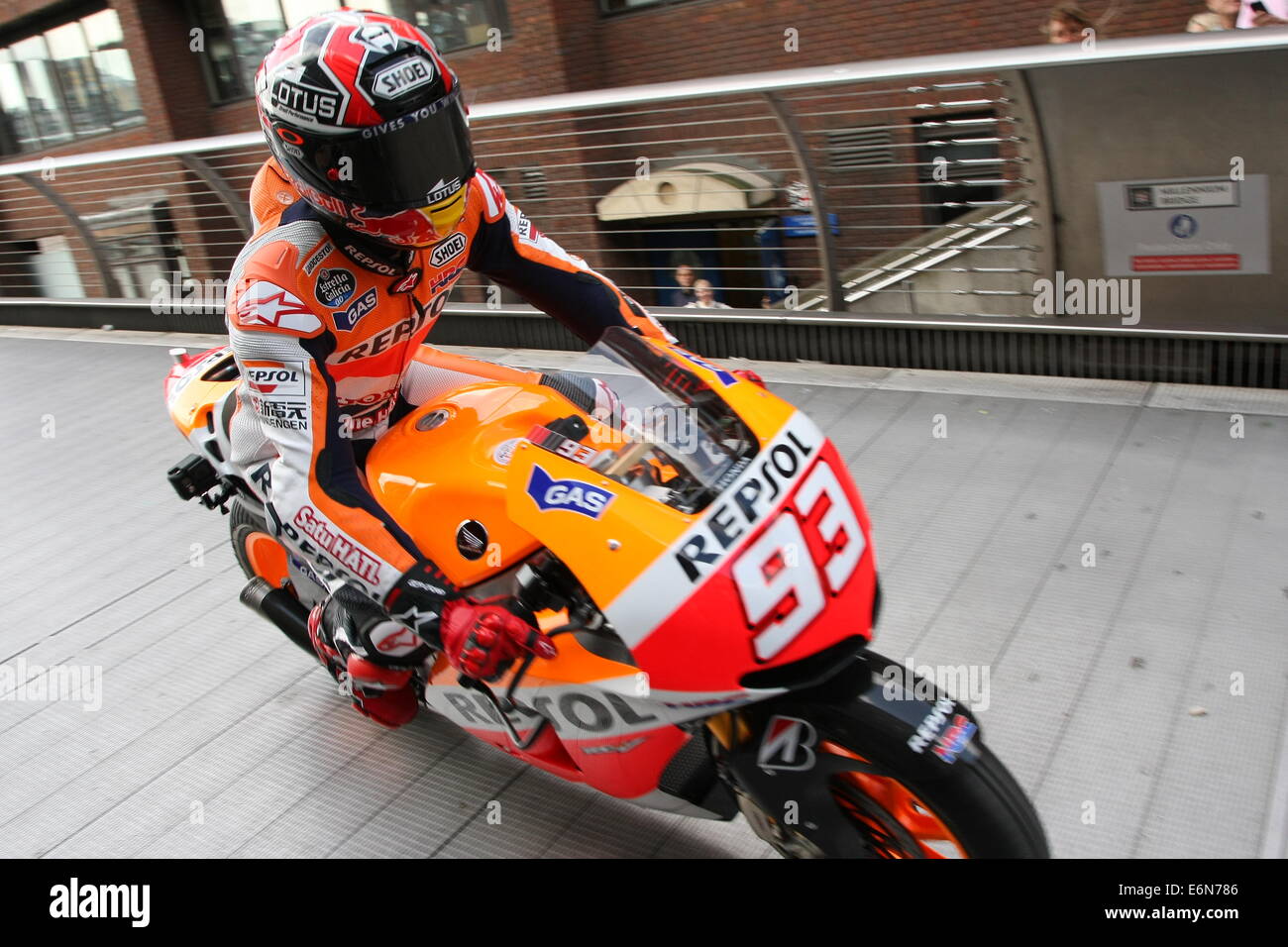
How MotoGP‑Inspired Street Bikes Are Closing the Performance Gap
When you hear “MotoGP,” you probably picture blistering lap times, exotic carbon‑fiber machines, and a roar that rattles the grandstand. Yet a growing number of manufacturers are translating that track‑side DNA into bikes you can legally ride on city streets. These MotoGP street bikes are not just flashy replicas; they’re genuine attempts to bridge the gap between racing perfection and everyday usability.
What Exactly Is a MotoGP Street Bike?
In plain terms, a MotoGP street bike is a production motorcycle that incorporates technology, ergonomics, and styling directly derived from the premier class of motorcycle racing. Unlike pure‑track prototypes, these machines meet all local regulations – emissions, lighting, and noise limits – while still boasting high‑revs, rapid throttle response, and sophisticated electronics that were once the exclusive domain of the world championship.
Key Technologies Borrowed from the Track
Manufacturers don’t simply copy a silhouette; they adapt entire systems to survive the rigors of daily riding.
Engine Tuning and Power Delivery
Race‑grade engines prioritize a narrow powerband that explodes at high rpm. Street versions temper that with smoother torque curves, but they retain lightweight internals, high‑compression pistons, and precision fuel mapping. The result is a bike that feels eager at 3,000 rpm yet still pulls hard when you push beyond 12,000 rpm – a sweet spot that was once reserved for the grid.
Electronics Suite
Modern MotoGP bikes are rolling computers, and that brainpower is now finding its way onto the street. Features such as traction control, wheelie control, launch control, and multiple riding modes are calibrated for road conditions. Riders can switch from a gentle “Rain” setting to an aggressive “Race” mode with a tap, letting the bike adapt its throttle response and suspension stiffness on the fly.
Chassis and Suspension
The frame geometry of a MotoGP bike is designed for razor‑sharp turn‑in. Street models adopt a more relaxed rake and trail but still use high‑strength aluminum or carbon‑fiber twin‑spar frames. Pairing that with fully adjustable, upside‑down forks and a rear monoshock gives riders a level of handling precision that feels almost like “riding on a race track” even on city traffic.
Why the Gap Is Narrowing – Real‑World Benefits
For the average motorcyclist, the most tangible advantage is confidence. A bike equipped with a refined traction‑control system can keep the rear wheel planted on a wet corner, reducing the likelihood of a slide. Likewise, the smoother power delivery means you can accelerate out of stop‑lights without the jerky surge that older sport bikes sometimes exhibit.
Another subtle gain is fuel efficiency. Advanced engine management, originally meant to squeeze every last ounce of power for a race, now helps street bikes run leaner during normal cruising. Riders report that a MotoGP‑inspired model often outperforms a comparable conventional sport bike on the highway, even though the performance ceiling is higher.
Choosing the Right Model for You
Not every rider needs a full‑throttle beast. Here are a few considerations to help you pick a bike that truly bridges the gap without overwhelming you.
- Experience Level: If you’re a seasoned rider comfortable with high‑performance machines, look for a model that offers an “Racing” mode and minimal electronic intervention. Beginners might prefer a bike with more robust traction control and a softer power curve.
- Intended Use: Commuters benefit from a comfortable riding position and adjustable suspension, whereas track‑day enthusiasts should prioritize a lightweight chassis and aggressive ergonomics.
- Budget: MotoGP‑inspired technology can add a premium price tag. However, many manufacturers now offer “track‑ready” packages as optional accessories, allowing you to upgrade gradually.
Future Trends – Where the Gap May Disappear Entirely
Looking ahead, a few developments hint that the distinction between race and road may soon be a relic.
First, electrification is gaining traction. MotoGP’s own electric class, MotoE, showcases instantaneous torque and simplified drivetrain layouts. As electric sport bikes become more mainstream, the performance gap could shrink dramatically, with street machines delivering race‑like acceleration without the high‑rpm noise.
Second, artificial‑intelligence‑driven rider aids are evolving. Adaptive learning systems could automatically tune suspension and engine maps based on your riding style, effectively turning any rider into a “personal engineer.”
FAQ
What makes a MotoGP street bike different from a regular sport bike?
MotoGP street bikes incorporate race‑derived engine components, advanced electronics (like multiple riding modes and sophisticated traction control), and chassis designs that prioritize agility. While a regular sport bike may have basic ABS and a comfortable powerband, the MotoGP‑inspired version pushes the envelope on performance and precision.
Are MotoGP street bikes practical for daily commuting?
Yes, most models meet emissions, lighting, and noise regulations, and many include rider‑friendly features such as adjustable windshields and ergonomic seats. The added electronics also improve safety in everyday traffic, though the aggressive riding position may not suit everyone for long‑haul touring.
Do I need special maintenance for a bike with MotoGP technology?
Maintenance intervals are generally similar to other high‑performance motorcycles, but you might encounter more frequent software updates for the electronic systems. It’s wise to follow the manufacturer’s service schedule and use dealers experienced with advanced electronics.






.jpg)