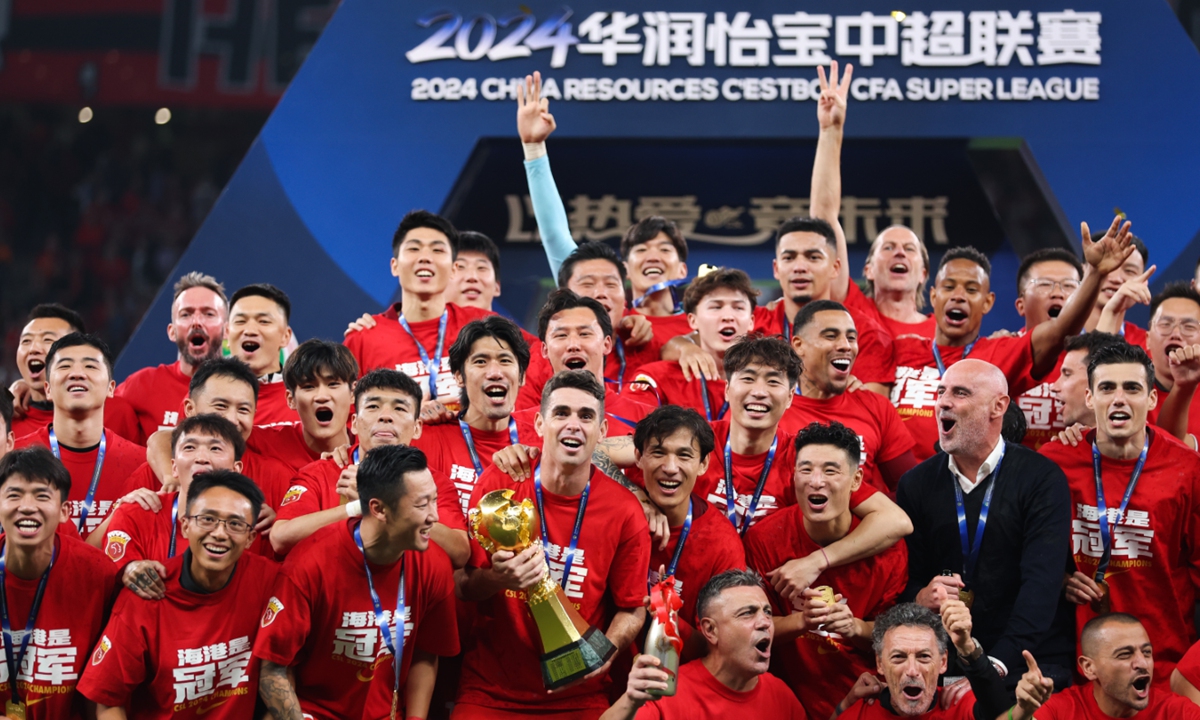
How Much Oscar Earned in China: Salary Details Revealed
When the Brazilian playmaker Oscar swapped Chelsea for Shanghai SIPG in 2017, the world’s football fans immediately started guessing how lucrative the move really was. The rumor mill churned with figures ranging from “a few million” to “a staggering seven‑figure sum” per week. While clubs rarely disclose exact terms, a handful of credible reports have pieced together a fairly clear picture of Oscar’s salary in China and the broader financial context of his contract.
Oscar's Salary in China: What the Numbers Say
According to multiple European sports finance outlets, Oscar signed a five‑year deal reportedly worth about €23 million a year before taxes. In Chinese yuan that translates to roughly ¥180 million annually, or about ¥3.5 million each week. Those estimates include a base salary, performance bonuses, and a signing‑on fee that was said to be in the region of €5 million.
It’s worth noting that the exact breakdown remains undisclosed, and the figures vary slightly between sources. What most agree on, however, is that Oscar’s earnings placed him among the top‑earning foreign players in the Chinese Super League at the time, rivaling the likes of Hulk and Paulinho.
How the Contract Was Structured
- Base salary: The bulk of the €23 million figure is believed to be a guaranteed annual wage, paid in monthly installments.
- Performance bonuses: Additional payouts were tied to goals, assists, and the club’s success in the league and AFC Champions League.
- Image rights: Oscar, a marketable name in Brazil and Europe, likely secured a separate deal for commercial use of his likeness, adding a modest but steady stream of extra income.
- Signing bonus: Reports suggest a one‑off payment of about €5 million was handed over when he officially joined the Shanghai side.
Why the Move Made Financial Sense
Beyond the headline‑grabbing salary, there were strategic reasons for both player and club. For Oscar, the contract offered financial security far beyond what most Premier League salaries could match, especially after taxes. Meanwhile, Shanghai SIPG was eager to boost its brand both domestically and abroad, and signing a player of Oscar’s caliber helped attract sponsors, increase merchandise sales, and raise the league’s global profile.
Chinese clubs, backed by state‑owned enterprises, were willing to spend heavily during that period, hoping the influx of star talent would accelerate the sport’s development and draw international attention. Oscar’s deal was a flagship example of that investment strategy.
Comparisons with Other High‑Profile Transfers
When you line Oscar’s earnings up against other big moves to China, a pattern emerges. In 2016, Hulk reportedly earned around €20 million per year with Shanghai SIPG, while Paulinho’s deal with Guangzhou Evergrande was rumored to be close to €18 million annually. Oscar’s package, therefore, sits near the top of that elite group, reflecting both his on‑field reputation and his off‑field marketability.
Contrast that with European giants: the average Premier League star in 2020 earned roughly £8‑10 million per year after taxes, a fraction of what Oscar was reportedly taking home. The disparity illustrates why many players viewed the Chinese Super League as a tempting, short‑term financial haven.
What Happened After the Contract Ended?
Oscar’s five‑year stint concluded in 2022, and he returned to Brazil to join Palmeiras. While the exact total he collected over the contract isn’t publicly confirmed, a simple multiplication of the reported annual figure suggests a gross sum exceeding €100 million across the five years, not counting bonuses and commercial earnings.
His departure also marked a broader shift in Chinese football policy. In 2021, the Chinese Football Association introduced stricter salary caps and foreign‑player limits, effectively curbing the kind of mega‑contracts that had defined the previous era.
Impact on Oscar’s Legacy
Critics sometimes argue that a move to a less‑competitive league could tarnish a player’s sporting reputation. For Oscar, the financial windfall came at the cost of stepping away from European elite competition during his prime years. Yet many fans point out that he still contributed significantly to Shanghai SIPG’s domestic success, helping the club capture the league title in 2018.
Ultimately, the decision reflects a personal balance between sporting ambition and financial security—a calculus that many professional athletes face as they navigate the latter stages of their careers.
FAQ
How much did Oscar earn per week in China?
Reports estimate his weekly earnings, after taxes, at roughly ¥3.5 million (about €20,000). The exact amount fluctuated with bonuses and performance incentives.
What was the length of Oscar’s contract with Shanghai SIPG?
He signed a five‑year contract starting in the summer of 2017, which ran until 2022.
Did Oscar receive any additional income from endorsements while in China?
Yes, he kept several endorsement deals, particularly in Brazil, and also likely negotiated a separate image‑rights agreement with the club, adding a modest but steady extra revenue stream.
How does Oscar’s salary compare to other foreign players in the Chinese Super League?
His reported €23 million annual package placed him near the top, slightly above Hulk’s €20 million and Paulinho’s €18 million yearly earnings, making him one of the highest‑paid imports during that period.