How Nurses Manage Pediatric Epiglottitis Safely
When a child presents with epiglottitis, the nurse’s role shifts from routine care to rapid, lifesaving intervention. Pediatric epiglottitis nursing care revolves around early detection, airway protection, and clear communication with the family and the multidisciplinary team. Understanding the pathophysiology and the subtle cues that precede respiratory distress can make the difference between a controlled situation and an emergency.
Pediatric Epiglottitis Nursing Care: Early Recognition
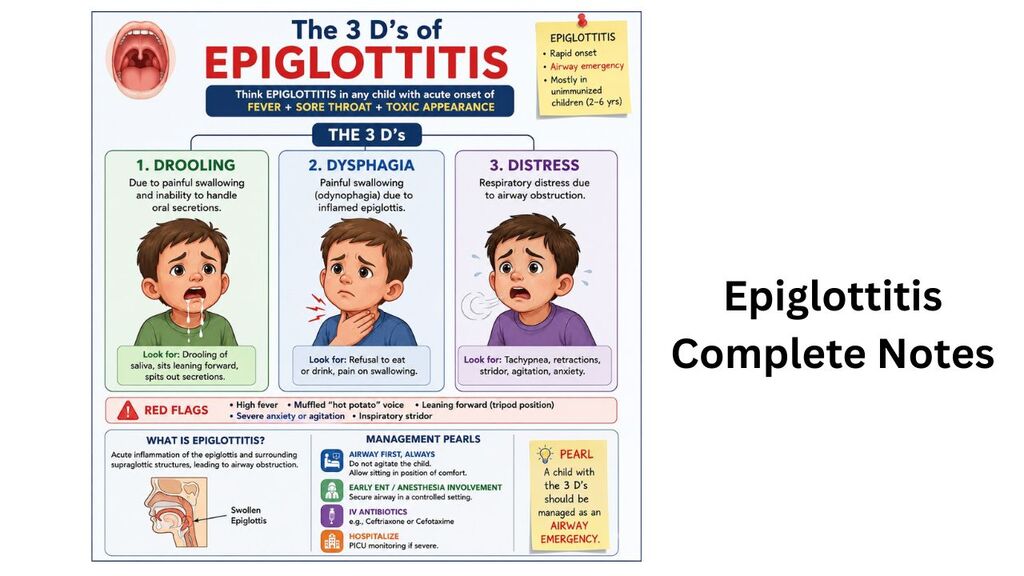
The first clue often comes as a seemingly innocuous sore throat that escalates quickly. Look for drooling, a muffled “hot‑cough” voice, and an obvious reluctance to swallow. Fever may be present, but the hallmark sign is a child sitting upright, leaning forward, and breathing with audible stridor. These symptoms can develop within hours, so nurses must stay alert during triage and reassess frequently.
Immediate Stabilization Steps
Once epiglottitis is suspected, the priority is to maintain a calm environment while preparing for potential airway compromise. Keep the child in a semi‑upright position; do not attempt oral examinations that could trigger gagging. Administer high‑flow oxygen via a non‑rebreather mask if saturation drops, and have suction equipment and a pediatric bag‑valve‑mask (BVM) ready at the bedside.
Airway Management Priorities
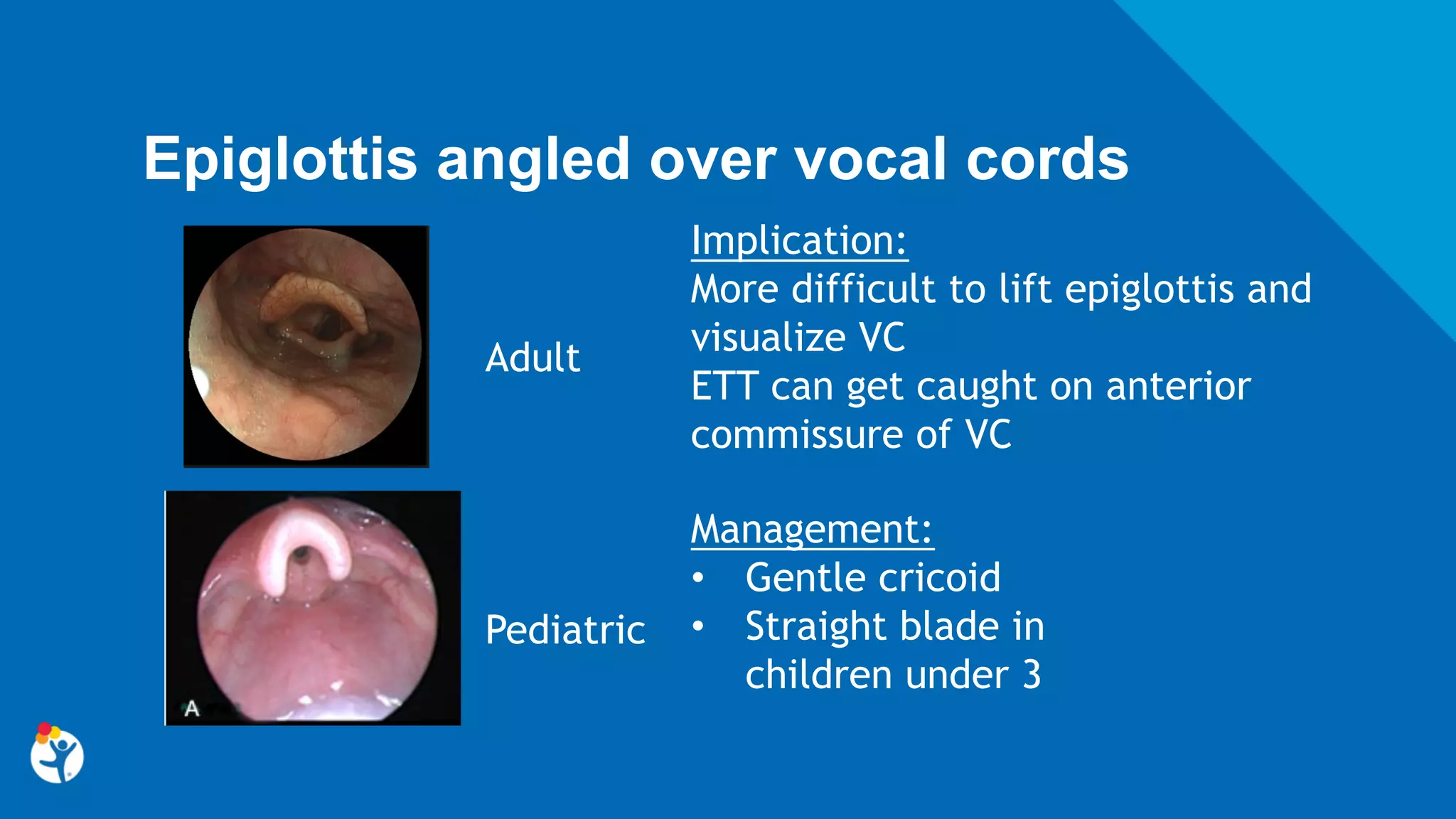
Securing the airway is the definitive intervention, but it must be performed by an experienced provider, usually an anesthesiologist or ENT surgeon. Nurses should:
- Notify the rapid‑response or code team immediately.
- Gather essential equipment: pediatric laryngoscope, appropriate-sized endotracheal tubes, and a video‑laryngoscope if available.
- Document the child’s baseline respiratory rate, heart rate, and oxygen saturation before any manipulation.
While waiting for the specialist, avoid any oral manipulation and reassure the child with gentle, reassuring words.
Medication and Monitoring
Broad‑spectrum intravenous antibiotics—commonly a third‑generation cephalosporin—are started as soon as the diagnosis is confirmed. Steroids may be administered to reduce inflammation, though practices vary by institution. Continuous pulse oximetry, capnography, and frequent blood pressure checks are essential; any sudden change warrants immediate escalation.
Family Support and Education
Parents often feel helpless watching their child struggle to breathe. Explain each step in plain language, emphasizing that the team is prepared for airway intervention if needed. Offer a quiet space for the family, and involve them in simple tasks like holding the child’s favorite blanket, which can provide a sense of control.
Key Documentation Tips
Accurate charting is critical for legal protection and seamless handoffs. Record:
- Exact time of symptom onset and progression.
- All vital signs with timestamps.
- Interventions performed, including oxygen flow rates and medication dosages.
- Responses to each intervention, especially changes in respiratory effort.
Clear documentation also aids the airway team in anticipating the child’s condition upon arrival.
Frequently Asked Questions
What distinguishes epiglottitis from common viral sore throats?
Unlike viral pharyngitis, epiglottitis progresses rapidly, causes drooling, a high‑pitched “barking” cough, and the child often adopts a tripod position to ease breathing.
Can epiglottitis be prevented?
Vaccination against Haemophilus influenzae type b (Hib) dramatically reduced incidence in many countries, but unvaccinated children and those with compromised immunity remain at risk.
When should a nurse call for a rapid‑response team?
Any sign of escalating respiratory distress—such as increasing stridor, dropping oxygen saturation below 92%, or a change in mental status—warrants immediate activation of the rapid‑response team.
Is it safe to give oral medication to a child with suspected epiglottitis?
Oral medication is generally avoided until the airway is secured, as swallowing can provoke further airway obstruction.