How to Choose Reliable Media Outlets: Your Guide to News Sources
In today’s nonstop information stream, figuring out which outlets deserve your trust can feel overwhelming. Media Outlet Explained Your Guide To News Sources aims to cut through the noise by clarifying the inner workings of news organizations, highlighting the red flags that signal bias, and offering practical steps for building a balanced news diet. Whether you’re scrolling on a phone, watching the evening broadcast, or reading a long‑form article, the principles below will help you assess the credibility of what you consume.
Media Outlet Explained: Your Guide to News Sources
First, understand that a “media outlet” is more than just a brand name. It’s a complex ecosystem that includes owners, editors, journalists, and the platforms that deliver stories. Ownership structures—whether a single billionaire, a multinational conglomerate, or a nonprofit foundation—can shape editorial priorities, sometimes subtly, sometimes overtly. Knowing who pulls the strings lets you anticipate potential slants before you even read the headline.
Why Ownership Matters
When a corporation owns multiple outlets, cross‑promotion can blur the line between independent reporting and corporate messaging. For instance, a news channel under a telecom giant might downplay stories that could hurt the parent’s market position. Conversely, nonprofit or public‑funded outlets often have chartered missions to serve the public interest, though they can still lean politically depending on board composition.
Ask yourself: Who funds this outlet, and what do they stand to gain from the stories they prioritize? If the answer is opaque, proceed with caution.
Types of News Sources and Their Strengths
- Traditional broadcast and print: Established newspapers and network TV have legacy editorial standards, though they’re not immune to commercial pressures.
- Digital‑only platforms: Websites and newsletters can be nimble and investigative, but many rely heavily on click‑bait revenue models.
- Public service media: Often funded by government fees, they aim for impartiality but may still reflect national cultural biases.
- Specialized newsletters and podcasts: Offer depth on niche topics, yet the expertise of the host varies widely.
- User‑generated content: Social media posts provide immediacy but lack verification; treat them as leads rather than final sources.
Evaluating Credibility: Red Flags and Good Signs
Not every sensational headline means deception, but a few telltale signs can guide your judgment:
- Absence of sources: Credible pieces usually quote experts, documents, or eyewitnesses.
- Overly emotional language: Words like “shocking” or “outrageous” may indicate a push for reactions rather than balanced reporting.
- One‑sided framing: Look for coverage that acknowledges multiple perspectives.
- Lack of correction policy: Reputable outlets maintain transparent errata sections.
- Consistent factual errors: Repeated inaccuracies erode trust.
On the flip side, signs of reliability include a clear byline, transparent ownership disclosures, and a history of investigative pieces that have stood up to scrutiny.
How to Diversify Your News Diet
Relying on a single outlet is like watching a movie from only one camera angle; you miss the full picture. Here’s a simple approach to broaden your perspective:
- Pick at least three sources from different ownership categories—one mainstream, one public, and one independent.
- Rotate your primary news platform weekly to avoid echo chambers.
- Supplement daily headlines with a weekly deep‑dive from a long‑form magazine or investigative podcast.
- Use fact‑checking sites such as Snopes or FactCheck.org to verify contentious claims.
By mixing formats and viewpoints, you reduce the chance of unwittingly absorbing a single narrative.
Spotting Bias Without Becoming a Cynic
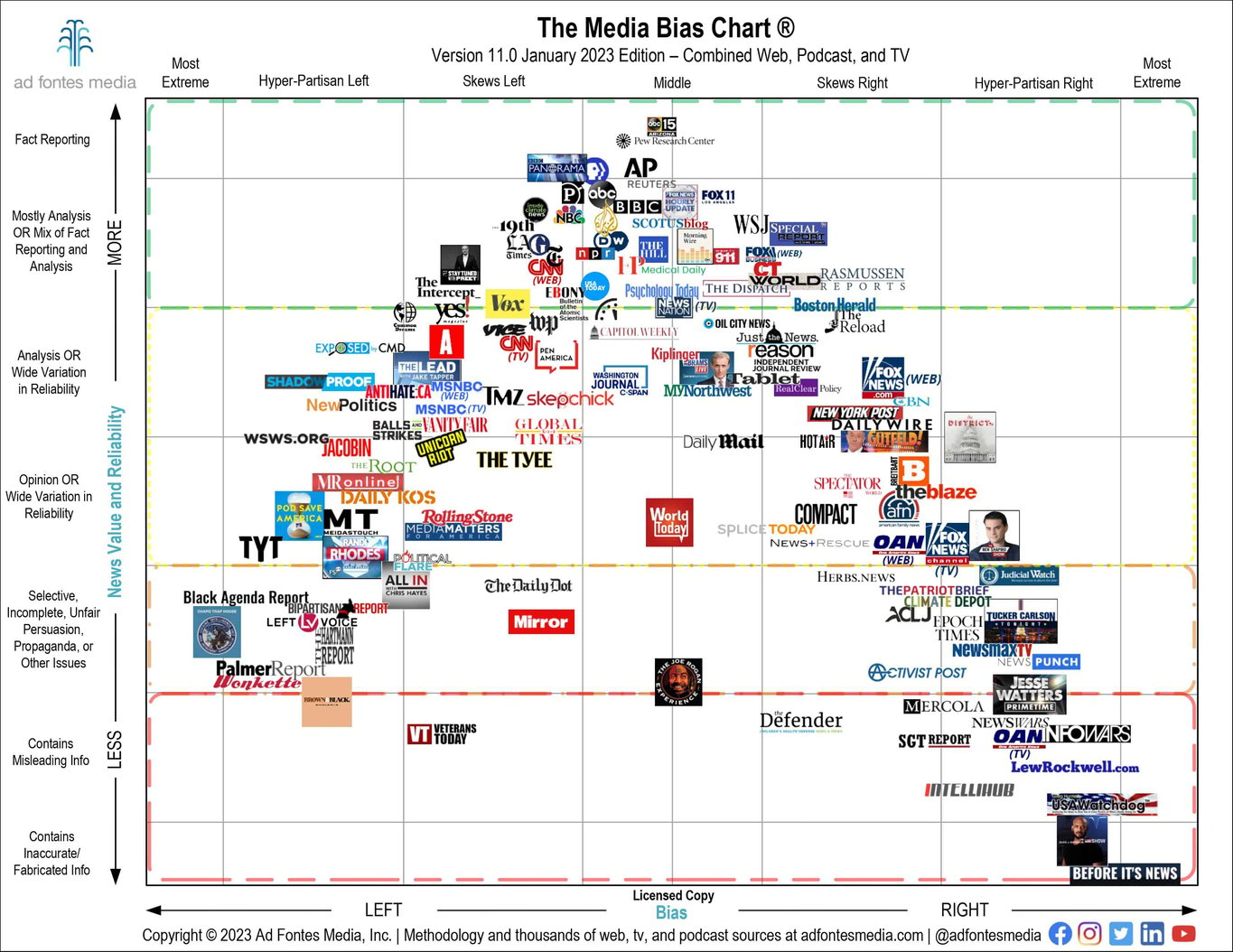
Even the most reputable outlets have editorial leanings, often reflecting the cultural climate of their audience. Spotting bias isn’t about dismissing everything that doesn’t align with your views; it’s about recognizing the lens through which information is presented. Ask yourself: “What story is missing?” and “Which voices are under‑represented?” The answers can reveal subtle slants that might otherwise go unnoticed.
Practical Tools for the Curious Reader
Technology can be an ally in your quest for trustworthy news. Browser extensions like “NewsGuard” rate the credibility of sites in real time, while RSS aggregators let you curate feeds from multiple sources without algorithmic interference. Setting up Google Alerts for specific topics also helps you compare how different outlets cover the same event.
When to Trust a Single Source
Some situations merit relying on a specialist outlet—think of scientific breakthroughs covered by journals like Nature or health updates from the World Health Organization. In these niches, expertise outweighs the need for multiple perspectives, provided the organization follows peer‑review or transparent data‑sharing practices.
Putting It All Together
Building a robust news habit is a continuous process. Start by mapping out the ownership of the outlets you already trust, then gradually introduce alternative voices. Keep a mental checklist for red flags, and don’t shy away from double‑checking facts. Over time, you’ll develop an instinct for separating signal from noise, making your daily information intake both richer and more reliable.
FAQ
What is the difference between a media outlet and a news source?
A media outlet refers to the organization that publishes or broadcasts content, while a news source can be any individual or entity—such as a press release, eyewitness, or expert—providing the raw information that the outlet may use.
How can I tell if an outlet is state‑controlled?
Look for funding disclosures, board memberships, and editorial guidelines. State‑funded outlets often include a mandate to promote national interests, which may influence story selection.
Are user‑generated platforms like Twitter reliable for breaking news?
They can be fast, but the information is unverified. Use them as early alerts, then cross‑reference with established outlets before accepting the story as fact.