How to Compare Newspaper Articles Covering the Same Story
Comparing newspaper articles on the same story isn’t just an academic exercise; it’s a practical way to sharpen media literacy and uncover hidden angles. When two or three outlets report on a single event, the differences in tone, detail, and emphasis can tell you a lot about each paper’s editorial stance, audience, and even its fact‑checking rigor.
Why Comparing Newspaper Articles Matters
Every newsroom brings its own cultural backdrop, commercial pressures, and political leanings to the newsroom. By lining up articles side by side, you can spot patterns that might otherwise slip past a casual reader. This practice helps you gauge credibility, understand framing, and develop a more nuanced view of the news cycle.
Key Elements to Examine
Before you dive into the text, decide which components deserve a closer look. Below are the most revealing aspects:
- Headline and sub‑headline – Do they highlight the same facts, or do they cherry‑pick sensational details?
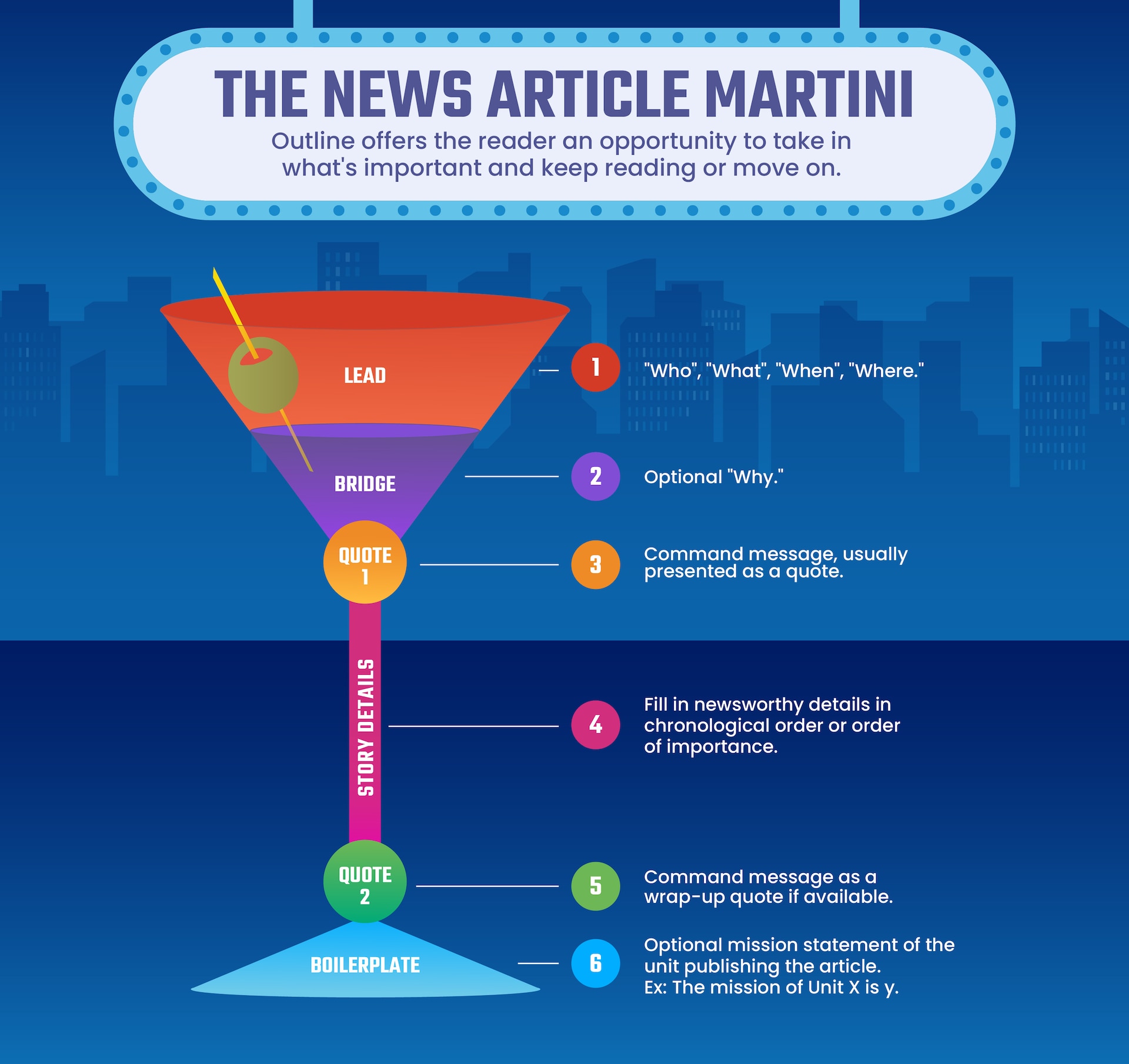
- Lead paragraph – Is the “who, what, when, where, why” presented objectively, or is it slanted from the outset?
- Source selection – Which voices are amplified? Are officials quoted more than eyewitnesses?
- Quotes and attributions – Are the same statements used, or does one paper paraphrase to fit a narrative?
- Visuals – Photographs, infographics, and captions can reinforce or undermine a written claim.
Spotting Bias and Framing
Bias isn’t always overt; often it lives in what’s left unsaid. Look for patterns such as consistent omission of certain facts, or the repeated use of loaded adjectives like “controversial” or “alleged.” Framing—how a story is positioned within a broader context—can also shift perception dramatically. For instance, a crime story framed as a “community safety issue” may prompt different reactions than one framed as “individual misconduct.”
Practical Steps for a Side‑by‑Side Review
1. Gather the articles. Print them or open them in separate tabs so you can scroll simultaneously.
2. Align the structure. Note where each piece places the lede, background, and conclusion.
3. Mark divergences. Use a highlighter or digital annotation tool to flag differing facts, quoted sources, or tonal shifts.
4. Cross‑check facts. If one outlet cites a statistic that another omits, verify the number through an independent database or official report.
5. Assess source diversity. A robust article will draw from a range of perspectives; a narrower piece may indicate editorial bias.
When Numbers and Names Don’t Match
Discrepancies in data are common, especially in fast‑moving stories. If one newspaper reports a protest turnout of “thousands” while another claims “500 participants,” look for the original source—police estimates, organizer counts, or independent observers. Often the truth sits somewhere in between, and acknowledging that uncertainty is a sign of responsible journalism.
Contextual Clues That Reveal Ownership
Ownership structures and funding models can subtly shape coverage. A paper owned by a conglomerate with interests in a particular industry may downplay negative aspects of that sector. Similarly, nonprofit or publicly funded outlets might prioritize community impact over sensationalism. Knowing who backs a newspaper adds another layer to your comparison.
Using Digital Tools to Streamline Comparison
Modern browsers offer extensions that highlight duplicate text, making it easier to spot shared wire‑service copy. Text‑analysis platforms can generate word‑frequency charts, revealing whether “terrorist” or “activist” dominates the narrative. While tools are helpful, they shouldn’t replace the critical eye of a human reader.
Common Pitfalls to Avoid
Don’t assume that more sources automatically mean higher accuracy; quality matters more than quantity. Also, beware of the “echo chamber” effect—reading only papers that share the same ideological slant can reinforce pre‑existing beliefs instead of challenging them.
Bringing It All Together
After you’ve documented differences, take a step back and ask: What story emerges when you synthesize the findings? This composite view often offers a richer, more balanced understanding than any single article could provide. It’s a skill that pays dividends not just for news consumers, but for anyone who needs to evaluate information critically.
FAQ
What should I do if two reputable newspapers contradict each other? Verify the contested fact through primary sources—official statements, court documents, or data repositories. If the evidence remains ambiguous, note the disagreement in your own summary.
How often do newspapers rely on the same wire service? Quite frequently, especially for breaking news. Recognizing shared wire copy helps you identify original reporting versus syndicated content.
Can comparing articles help me detect misinformation? Yes. Divergent narratives often expose where one outlet may have omitted crucial context or exaggerated claims, both of which are red flags for misinformation.