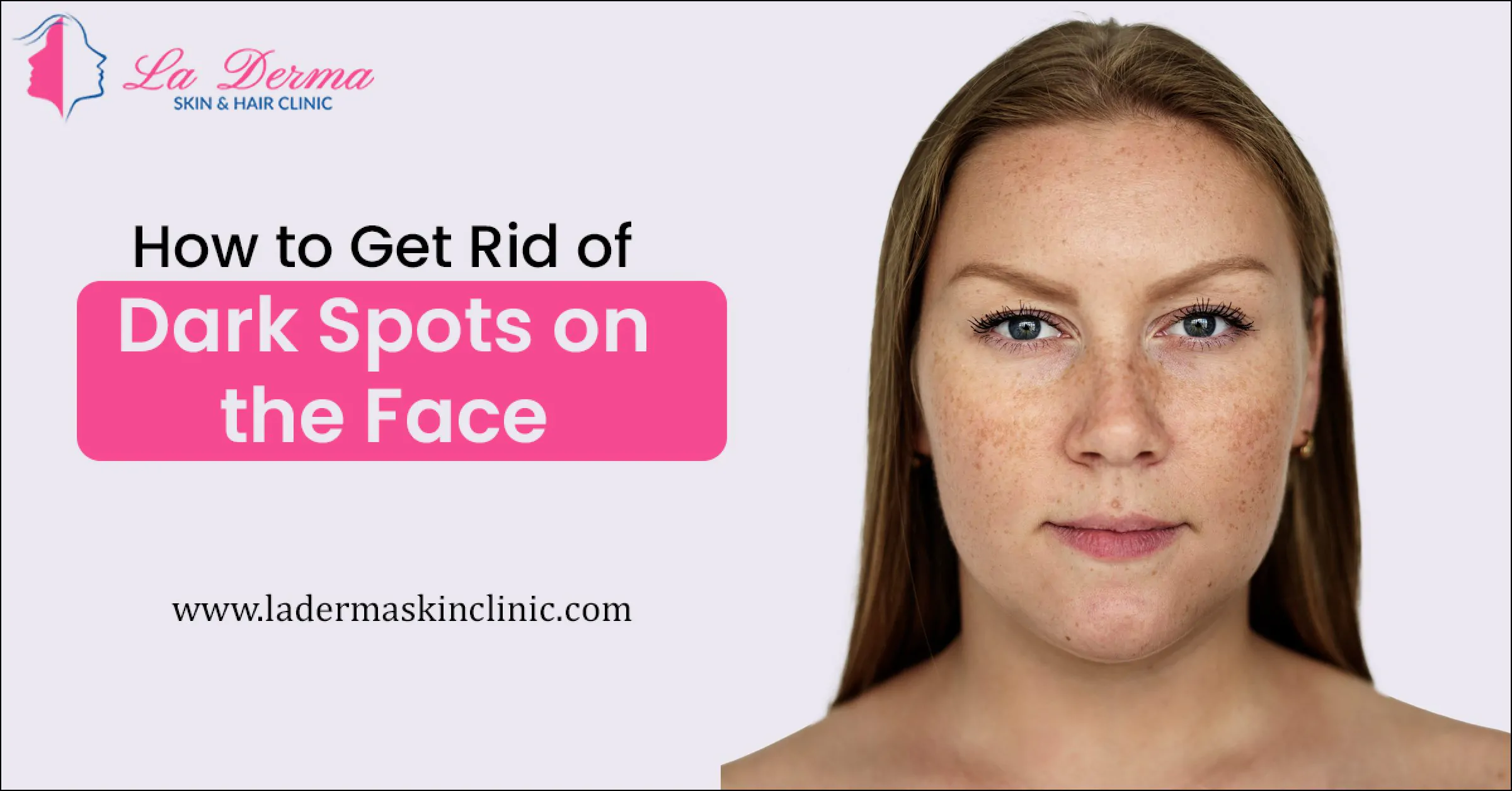
How to Fade Dark Spots on Your Face: Effective Tips
Dark spots can feel like unwelcome souvenirs from past acne flare‑ups, sun exposure, or even hormonal shifts. If you’ve been wondering how to fade dark spots on your face without harsh chemicals, you’re not alone. Below you’ll find a blend of science‑backed recommendations and gentle home remedies that actually move the needle.
Understanding Why Dark Spots Appear
Before you reach for a cream, it helps to know the biology behind hyperpigmentation. When skin cells are damaged—by UV rays, inflammation, or injury—they release extra melanin as a protective response. Over time, those melanin clusters settle near the surface, creating the brownish patches we call dark spots. Most people notice them on the cheeks, forehead, or around the nose, but they can pop up anywhere the skin has been stressed.
Everyday Habits That Prevent New Spots
Prevention is half the battle. Small tweaks to your routine can keep melanin from gathering in the first place.
- Sun protection, always. A broad‑spectrum SPF 30 or higher shields your skin from the UV‑B and UV‑A wavelengths that trigger melanin production. Reapply every two hours when you’re outdoors.
- Gentle cleansing. Harsh scrubs can inflame the skin, prompting more pigment. Choose a mild, pH‑balanced cleanser and limit washing to twice daily.
- Stay hydrated. Well‑moisturized skin repairs itself more efficiently, reducing the likelihood of lingering discoloration.
- Avoid smoking and excessive alcohol. Both habits constrict blood vessels and impede the delivery of nutrients essential for even‑toned skin.
Over‑the‑Counter Options That Actually Work
When you’re ready to target existing spots, look for products that contain proven ingredients. Below are the most reliable actives you’ll find on pharmacy shelves.
- Niacinamide (Vitamin B3). This multitasker lightens spots by inhibiting the transfer of melanin to surrounding skin cells. Concentrations of 4‑10 % are both effective and well tolerated.
- Vitamin C (L‑ascorbic acid). A potent antioxidant, it interferes with melanin synthesis and brightens overall complexion. Choose formulas stabilized with ferulic acid for extra stability.
- Alpha‑hydroxy acids (AHAs) like glycolic or lactic acid. By exfoliating the top layer, they encourage turnover and help fade pigmented cells faster.
- Retinoids (retinol or adapalene). These vitamin A derivatives accelerate cell turnover and can diminish spots over several weeks, though they may cause mild irritation initially.
When you combine any of these actives, start slowly—perhaps every other night—to gauge tolerance, and always follow with a moisturizer and sunscreen.
Natural Remedies Worth Trying
If you prefer a more botanical approach, several plant‑based ingredients have shown modest brightening benefits.
- Licorice extract. Contains glabridin, which blocks the enzyme tyrosinase, a key player in melanin production.
- Green tea (EGCG). The antioxidant epigallocatechin‑3‑gallate can reduce inflammation and inhibit melanin synthesis.
- Azelaic acid from wheat or barley. Though also available in prescription strengths, the 10 % over‑the‑counter version can calm redness and fade spots simultaneously.
- Turmeric paste mixed with honey. Curcumin, the active compound, has mild depigmenting properties when used consistently for a few weeks.
Natural solutions tend to work slower than their synthetic counterparts, but they’re generally gentler on sensitive skin. Consistency—applying nightly for at least six weeks—makes the difference.
When to Seek Professional Help
If home care isn’t moving the needle after three months, a dermatologist can offer stronger interventions. Options include:
- Prescription‑strength hydroquinone (2‑4 %).
- Chemical peels with trichloroacetic acid or stronger AHAs.
- Laser therapies such as fractional photothermolysis, which target pigmented cells without harming surrounding tissue.
- Microneedling combined with topical brighteners to boost absorption.
These procedures carry higher costs and potential side effects, so a thorough consultation is essential. A professional can also rule out underlying conditions—like melasma or post‑inflammatory hyperpigmentation—that may require a tailored plan.
Frequently Asked Questions
Can I fade dark spots while pregnant?
Many dermatologists recommend sticking to gentle, pregnancy‑safe ingredients like niacinamide, azelaic acid (≤10 %), and vitamin C. Stronger actives such as retinoids, hydroquinone, and certain chemical peels are best avoided.
How long does it typically take to see results?
Visible improvement often appears after 4‑8 weeks of consistent use, though deeper, older spots may need 12‑16 weeks. Patience and adherence to sunscreen are crucial.
Is it normal for spots to become darker before they fade?
Yes, some brightening agents cause an initial “purging” phase where melanin is pushed to the surface before shedding. If irritation or severe redness occurs, pause the product and consult a professional.
Do diet and nutrition affect skin pigmentation?
While no single food will erase spots, a diet rich in antioxidants—berries, leafy greens, and omega‑3 fatty acids—supports overall skin health and may reduce the intensity of hyperpigmentation over time.