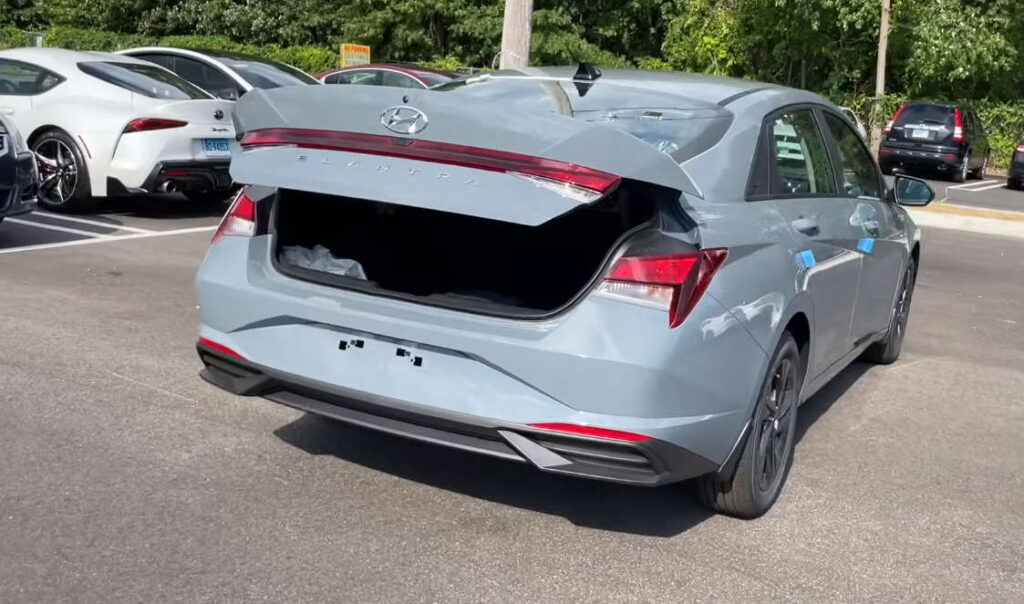
How to Fix a Stubborn Trunk Button on a 2010 Hyundai Elantra
If your 2010 Hyundai Elantra trunk button refuses to open the hatch, you’re not alone. Over time the little switch can become finicky, leaving you with a sealed cargo area and a growing sense of frustration. Below you’ll find a practical walk‑through of the most common culprits, a step‑by‑step diagnostic routine, and guidance on when a professional touch is worth the extra cost.
Common Reasons the Trunk Button Fails
Before tearing the interior apart, it helps to know which parts are most likely to give up first. Most owners encounter one of the following issues:
Worn or Corroded Electrical Contacts
The Elantra’s trunk button is essentially a simple momentary switch. Its contacts can wear down after years of repeated presses, especially in climates where moisture and road salt accelerate corrosion. A faint crackle or an intermittent click often signals this problem.
Blown Fuse or Faulty Fuse Pull‑Tab
Hyundai groups several convenience circuits—including the trunk release—under a single fuse in the engine bay. If that fuse blows, the button becomes dead weight. Unfortunately, a partially melted fuse can look intact, tricking a quick visual check.
Faulty Trunk Release Relay
Some Elantras use a relay to amplify the button’s signal to the latch motor. A relay that sticks open or closed will prevent the latch from receiving the “open” command, even if the button itself is fine.
Loose Wiring Harnesses
Vibration from the road can loosen the connectors that run from the button to the central control module. A loose pin often produces a “dead” button that suddenly works again after a gentle tap.
Malfunctioning Latch Motor
The final link in the chain is the electric latch that actually releases the trunk. If the motor is burnt out or its gear teeth are stripped, the button will do everything it can, but the hatch stays shut.
Step‑by‑Step Troubleshooting Guide
Armed with these possibilities, you can methodically test each component without needing a full service manual.
- 1. Verify Power at the Button
What you need: a 12‑V test light or multimeter.Press the trunk button while a helper watches the test light attached to the button’s wiring harness. If the light flickers, electricity is reaching the switch. No flicker means a broken wire or blown fuse.
- 2. Check the Fuse Box
Locate the fuse panel under the hood (usually near the battery). The diagram on the cover lists the “Power‑Seat/Power‑Trunk” fuse—typically a 10 A or 15 A unit. Pull it out, inspect the metal strip, and replace it with the same rating if it looks darkened.
- 3. Inspect the Relay
The relay sits next to the fuse box; it’s a small rectangular component with a “TRUNK” label. Swap it with an identical relay from another circuit (e.g., the interior lights) to see if the problem follows the relay.
- 4. Examine the Button Itself
If power reaches the button but the latch never engages, the switch may be the issue. Remove the interior trim panel (usually clipped, not screwed) to expose the button. Look for corrosion or broken plastic. A gentle spray of contact cleaner followed by a short press can sometimes restore function.
- 5. Test the Latch Motor
Disconnect the motor’s connector and apply 12 V directly from the battery (use a fused jumper lead). If the latch clicks and the trunk opens, the motor is fine; if nothing happens, the motor likely needs replacement.
- 6. Secure All Connectors
While you have the trim off, give each connector a firm push. A loose pin is a surprisingly common cause, especially after years of door opening and closing.
When you’ve walked through each step, you’ll usually pinpoint the weak link. Most DIYers find that cleaning a corroded switch or swapping a fuse solves the issue in under an hour.
When to Seek Professional Help
Even a seasoned hobbyist can hit a roadblock. Consider taking the car to a qualified technician if:
- The trunk latch motor spins weakly but never fully releases—this often requires a calibrated replacement.
- Multiple electronic systems (e.g., power windows, remote start) act up simultaneously, suggesting a deeper module fault.
- You lack the tools for safely applying direct battery voltage to the latch motor.
- All DIY steps fail and the vehicle is still under warranty or a service contract.
Professional shops can diagnose module‑level failures with a scan tool, something that’s impractical for most home garages.
Quick FAQ
Q: Why does the trunk button sometimes work after I tap the interior panel?
A: A tap can momentarily reconnect a loose wire or shift a corroded contact enough to close the circuit. It’s a clue that the problem lies in the wiring harness or the switch itself.
Q: Can a dead key fob affect the trunk button?
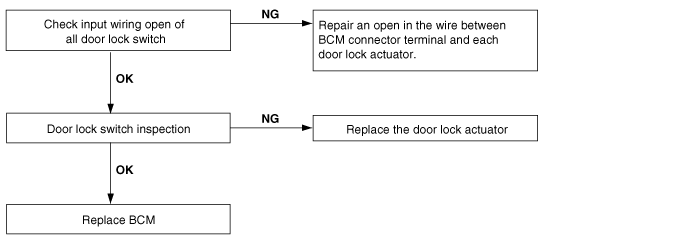
A: The interior button operates independently of the remote, but if the car’s Body Control Module (BCM) is in a fault state—often triggered by a failed key fob—the BCM may ignore all trunk requests. Resetting the BCM by disconnecting the battery for a few minutes can sometimes clear the glitch.
Q: Is it safe to replace the trunk latch motor myself?
A: Yes, if you’re comfortable working with basic hand tools and have a replacement motor that matches the OEM part number. Remember to disconnect the battery before removing any electrical component.
Q: How often should I inspect the trunk button’s wiring?
A: An annual visual check during routine maintenance is enough. Look for cracked insulation, water stains, or loose connectors, especially if you live in a region with heavy winter road treatment.