How to Keep Students Safe: Drowning Prevention Tips for Schools
Every school that offers swimming lessons, water‑based PE, or field trips near lakes faces a unique set of hazards. Implementing clear drowning prevention school safety tips isn’t just a legal checkbox—it’s a matter of protecting lives. Below you’ll find a practical roadmap that blends policy, daily routines, and community outreach into a cohesive safety culture.
Understanding the Risks in a School Setting
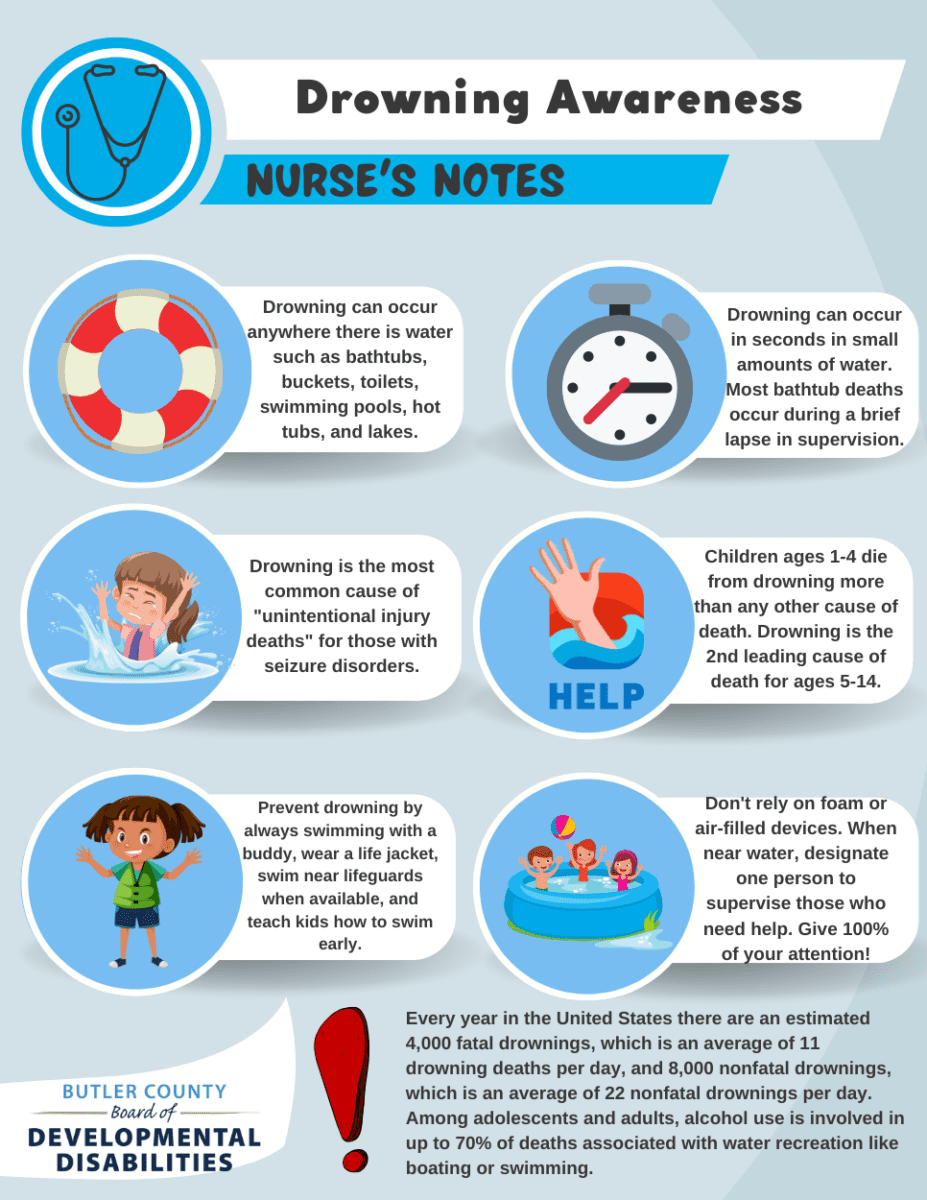
Even a shallow pool can become dangerous when supervision lapses or when children are unfamiliar with water. Studies consistently show that the majority of school‑related drowning incidents happen during organized activities, not spontaneous play. Recognizing that risk means treating every aquatic environment—whether a built‑in pool, a portable inflatable, or a nearby river—as a potential emergency zone.
Key Policies Every School Should Adopt
Policies act as the backbone for consistent safety practices. They should be written in plain language, reviewed annually, and communicated to every staff member who might be near water.
- Mandatory lifeguard certification for any adult responsible for pool supervision, regardless of prior swimming ability.
- Student‑to‑adult ratio limits—typically one adult for every five children under ten, and one adult for every eight older children.
- Restricted access during non‑instructional hours; lockable gates and signage are essential.
Supervision Standards
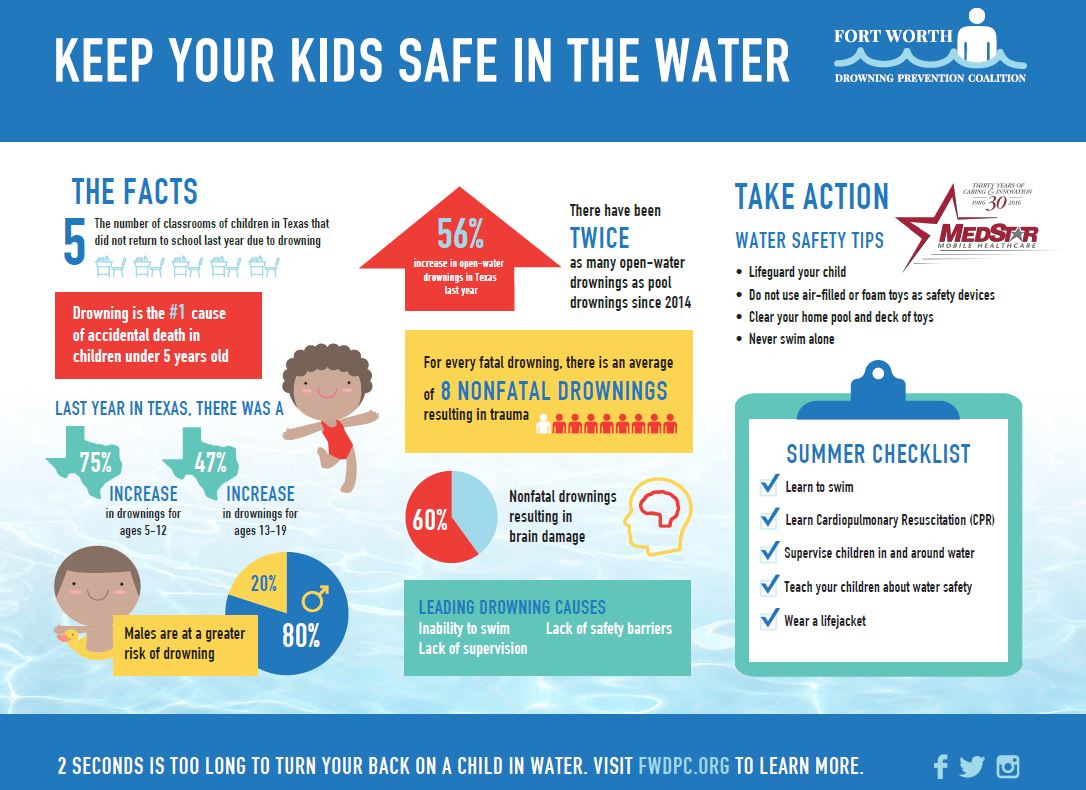
Active, vigilant supervision beats technology every time. Assign a dedicated “water watcher” who stays at the pool edge, keeps eyes on every swimmer, and never multitasks. Rotate supervisors to avoid fatigue, and require them to log each session’s attendance and any incidents.
Facility Design and Maintenance
A well‑designed pool area reduces accidental slips and makes rescue easier. Non‑slip decking, clearly marked depth lines, and handrails on ladders are basic necessities. Routine checks of suction fittings, pool covers, and alarm systems should be logged and signed off by maintenance staff.
Practical Tips for Teachers and Staff
Teachers who lead water activities can embed safety without sacrificing fun. Start each session with a brief water safety talk: demonstrate how to enter and exit the pool, explain the “stop‑the‑play” rule for any sign of distress, and remind students to stay within designated zones. Use visual cues—colored rope markers or floor mats—to delineate safe areas.
When a new class begins, conduct a quick skill assessment. Even confident swimmers benefit from a refresher on basic buoyancy techniques. Pair less experienced students with “buddy” partners who have demonstrated competence.
Engaging Parents and Students
Parents often assume the school’s policies cover everything, but a collaborative approach yields the best outcomes. Distribute a concise safety brochure at the start of the school year, and hold an optional “pool night” where families can tour the facilities and ask questions.
Student involvement boosts compliance. Encourage older students to serve as “water safety ambassadors”—they can lead warm‑ups, monitor peers, and model proper behavior. Recognition programs, like a “Safe Swimmer” badge, reinforce positive habits.
Emergency Response Planning
No amount of prevention eliminates the need for a rapid, coordinated response. Draft a detailed emergency action plan that outlines:
- Immediate steps for a suspected drowning (call for help, remove the child from water, begin CPR if trained).
- Designated rescue equipment locations (floatation devices, reaching poles, automated external defibrillators).
- Roles for staff members during an incident—who calls emergency services, who performs rescue, who records details.
Conduct quarterly drills that simulate a drowning scenario. Practice not only the physical rescue but also the communication flow, so everyone knows who says what and when. After each drill, debrief to identify gaps and update the plan accordingly.
FAQ
What age is it safe for children to start formal swimming lessons?
Most experts recommend beginning structured lessons around age four, when children can follow basic instructions and have developed enough coordination to float with assistance. However, younger children can benefit from water familiarization programs that focus on play and comfort rather than technique.
How often should lifeguard certifications be renewed?
Certification typically expires every two years, but schools should require renewal sooner—ideally annually—to ensure skills stay sharp and any new regulations are incorporated.
Are pool alarms required by law?
Regulations vary by state and district. While not universally mandated, many jurisdictions consider alarms a best‑practice component, especially for outdoor or community‑shared pools.
What should I do if a child panics and refuses to leave the water?
Stay calm and speak in a reassuring tone. Approach slowly, offering a floatation aid while gently guiding the child toward the edge. If the child remains uncooperative, enlist another adult to assist while you maintain visual contact.