How to Make Authentic Neapolitan Pizza at Home: A Step‑by‑Step Guide
Gathering the Essentials
Before you even think about stretching dough, make a quick inventory of what you’ll need. The hallmark of an authentic Neapolitan pizza is a few high‑quality ingredients: “00” flour, fresh mozzarella di bufala, San Marzano tomatoes, extra‑virgin olive oil, and a handful of fresh basil. A pizza stone or steel, a wooden peel, and an oven that can roar above 500°F (260°C) round out the basics. If you lack a stone, a heavy baking sheet turned upside‑down works in a pinch, though you’ll miss a bit of that signature char.
Preparing the Dough
The dough is the soul of the pizza, and a traditional Neapolitan crust calls for a simple 4‑ingredient formula: flour, water, salt, and a tiny pinch of fresh yeast. Mix 500 g of “00” flour with 325 ml of lukewarm water, then dissolve about 2 g of fresh yeast in a separate cup. Combine, add 15 g of sea salt, and knead until the batter feels smooth and slightly tacky—roughly 10 minutes by hand or 5 minutes in a stand mixer.
Once the dough comes together, shape it into a single ball, cover it with a damp cloth, and let it rest at room temperature for about 30 minutes. After that, transfer the ball to a lightly oiled container, cover tightly, and refrigerate for 24‑48 hours. This slow, cold fermentation develops the flavor and the airy crumb that give Neapolitan pizza its signature chew.
Shaping and Topping
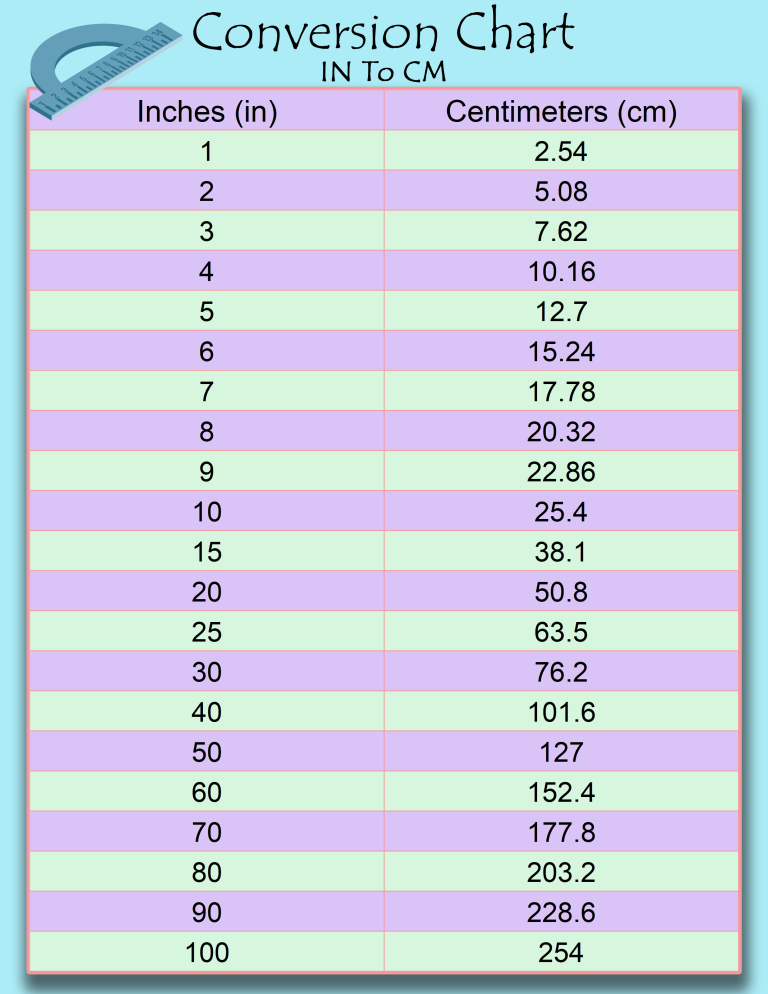
When you’re ready to bake, pull the dough out of the fridge and let it sit at room temperature for another hour. This makes it pliable enough to stretch without tearing. On a floured surface, press the dough gently with your fingertips, then lift it and let gravity do most of the work, rotating the disc as you coax it into a 10‑inch circle. Aim for a slightly raised edge—the “cornicione”—which will puff up beautifully in the oven.
For the sauce, crush a handful of San Marzano tomatoes by hand, add a pinch of sea salt, a drizzle of olive oil, and a whisper of dried oregano if you like. Spread a thin layer—no more than a quarter‑inch thick—over the base, leaving the rim untouched. Tear the mozzarella into bite‑size pieces, scatter them evenly, then finish with a few whole basil leaves and another drizzle of oil.
Baking the Pizza
Preheat your oven to its highest setting, ideally 500‑550°F (260‑290°C), and place the pizza stone on the middle rack at least an hour before baking. The stone needs to be scorching hot to create the rapid burst of heat that forms the leopard‑spotted crust.
Slide the assembled pizza onto a well‑floured peel, give it a gentle shake to ensure it slides off easily, and then launch it onto the stone. Bake for 90‑120 seconds, watching closely: the edges should blister and turn a deep golden brown, while the cheese bubbles just enough to melt without losing its stretch.
Once the pizza is done, pull it out, let it rest for a minute, then drizzle a final splash of olive oil and serve immediately. The contrast between the soft, airy interior and the crisp, charred rim is what makes an authentic Neapolitan pizza unforgettable.
Tips for Perfection
- Use a kitchen scale. Weighing ingredients eliminates guesswork and ensures consistent results.
- Don’t overload the pizza. A thin layer of sauce and modest cheese let the crust shine.
- Consider a pizza oven. If you love pizza, a small wood‑fired or gas‑powered oven can reach 800°F (430°C) and produce even more authentic char.
- Let the dough rest. Patience during fermentation is the single biggest factor in flavor development.
Frequently Asked Questions
Can I use active‑dry yeast instead of fresh? Yes—swap 2 g of fresh yeast for about 0.5 g (a pinch) of active‑dry. Dissolve it in a little warm water before adding to the flour.
What’s the difference between “00” flour and all‑purpose? “00” flour is milled very finely and has a lower protein content, which yields a softer, more tender crust typical of Neapolitan style.
Do I really need a stone, or can I use a regular baking sheet? A stone absorbs and radiates heat more evenly, giving the crust its characteristic leopard spots. A thick baking sheet can work, but you’ll likely need a longer bake and won’t get the same blistered edge.
How long can I keep the dough refrigerated? Up to 72 hours is fine; beyond that, the flavor may start to degrade, and the gluten structure can weaken.