How to Use 6N Sodium Hydroxide Safely: A Complete Guide
What Does “6N” Mean in NaOH?
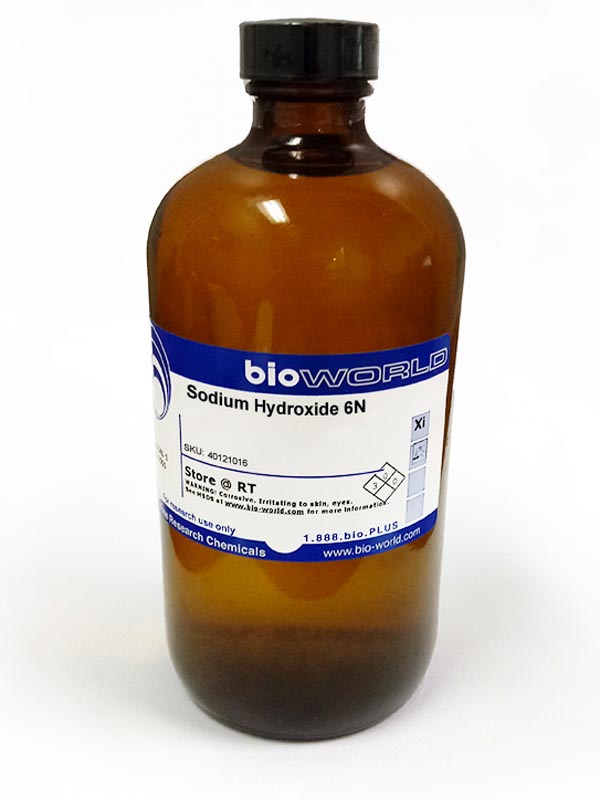
When you see “6N NaOH,” the “N” stands for normality—a way chemists express concentration based on reactive equivalents. A 6‑normal solution of sodium hydroxide contains six equivalents of hydroxide ions per liter, which translates to roughly 240 grams of NaOH dissolved in enough water to make one liter of solution. In practical terms, that’s a very strong, caustic liquid, and it behaves quite differently from the more familiar 1 M or 0.1 M preparations you might use in a school lab.
Preparing a 6N Sodium Hydroxide Solution
Making a 6N NaOH solution isn’t rocket science, but it does demand attention to detail. Start with solid, high‑purity sodium hydroxide pellets—any moisture content will throw off the final concentration. Measure out 240 g of pellets, then slowly add them to about 800 mL of deionized water in a heat‑resistant container. The reaction is exothermic, so the mixture will heat up quickly; keep stirring and let the temperature settle before topping up to the final 1 L mark.
Materials You’ll Need
- Analytical‑grade NaOH pellets (≥ 99% purity)
- Graduated cylinder or volumetric flask (1 L capacity)
- Stirring rod or magnetic stirrer
- Protective gear: goggles, gloves, lab coat
- Heat‑resistant beaker or container
Safety First: Handling 6N NaOH
Because a 6N solution is extremely corrosive, treating it with the same caution you’d give a household drain cleaner is the bare minimum. Always wear chemical‑resistant gloves (nitrile or neoprene), safety goggles, and a lab coat that covers your arms. If the solution splashes, flush the area with copious amounts of water for at least 15 minutes and seek medical attention if irritation persists. Keep a neutralizing agent—such as a dilute acetic acid or a commercial spill kit—within arm’s reach.
Common Applications of 6N NaOH
Industries and laboratories alike turn to 6N sodium hydroxide for tasks that demand a high hydroxide activity. In analytical chemistry, it’s a staple for titrating weak acids because the endpoint is sharp and reproducible. The pulp‑and‑paper sector uses it to break down lignin fibers during kraft pulping. In biotechnology, 6N NaOH is often employed to clean stainless‑steel equipment, stripping away organic residues that milder cleaners can’t touch.
Storing Your 6N Solution Properly
Even after you’ve prepared the solution, storage is a critical step. Use a tightly sealed, chemically resistant container—high‑density polyethylene (HDPE) or polypropylene works well. Label the bottle with concentration, preparation date, and hazard symbols (corrosive, skin irritation). Store it in a cool, well‑ventilated area away from acids, metals, and any source of heat. Over time, the solution may absorb carbon dioxide from the air and form a small amount of sodium carbonate; a quick pH check every few months can alert you to any drift.
Troubleshooting Tips
If the solution looks cloudy or forms a crust at the bottom, you probably introduced moisture to the NaOH pellets or didn’t dissolve them completely. The easiest fix is to filter the liquid through a clean, acid‑washed funnel and discard any undissolved chunks. A pH reading below 13.5 suggests dilution—double‑check your final volume and adjust with more solid NaOH if needed. Finally, if you notice unexpected heating during use, verify that you haven’t inadvertently mixed the 6N NaOH with an acid; the reaction can be vigorous and release a lot of heat.
FAQ
- Can I use tap water to make a 6N NaOH solution? It’s best to stick with deionized or distilled water. Tap water contains minerals that could affect the exact concentration and introduce contaminants.
- How long can a 6N NaOH solution be stored? Properly sealed and stored in a cool, dark place, it remains stable for several months. Periodic pH checks will tell you if carbonation or contamination is occurring.
- Is it safe to transport 6N NaOH in a standard laboratory bottle? Use a container rated for strong bases, and never transport it loosely. Secure the lid tightly and place the bottle in a secondary containment box to catch any spills.
- What should I do if I accidentally ingest 6N NaOH? Do not induce vomiting. Rinse the mouth thoroughly with water and seek emergency medical care immediately; the solution can cause severe burns to the esophagus.