Inside the Royal Navy Diving Medical Officer Role
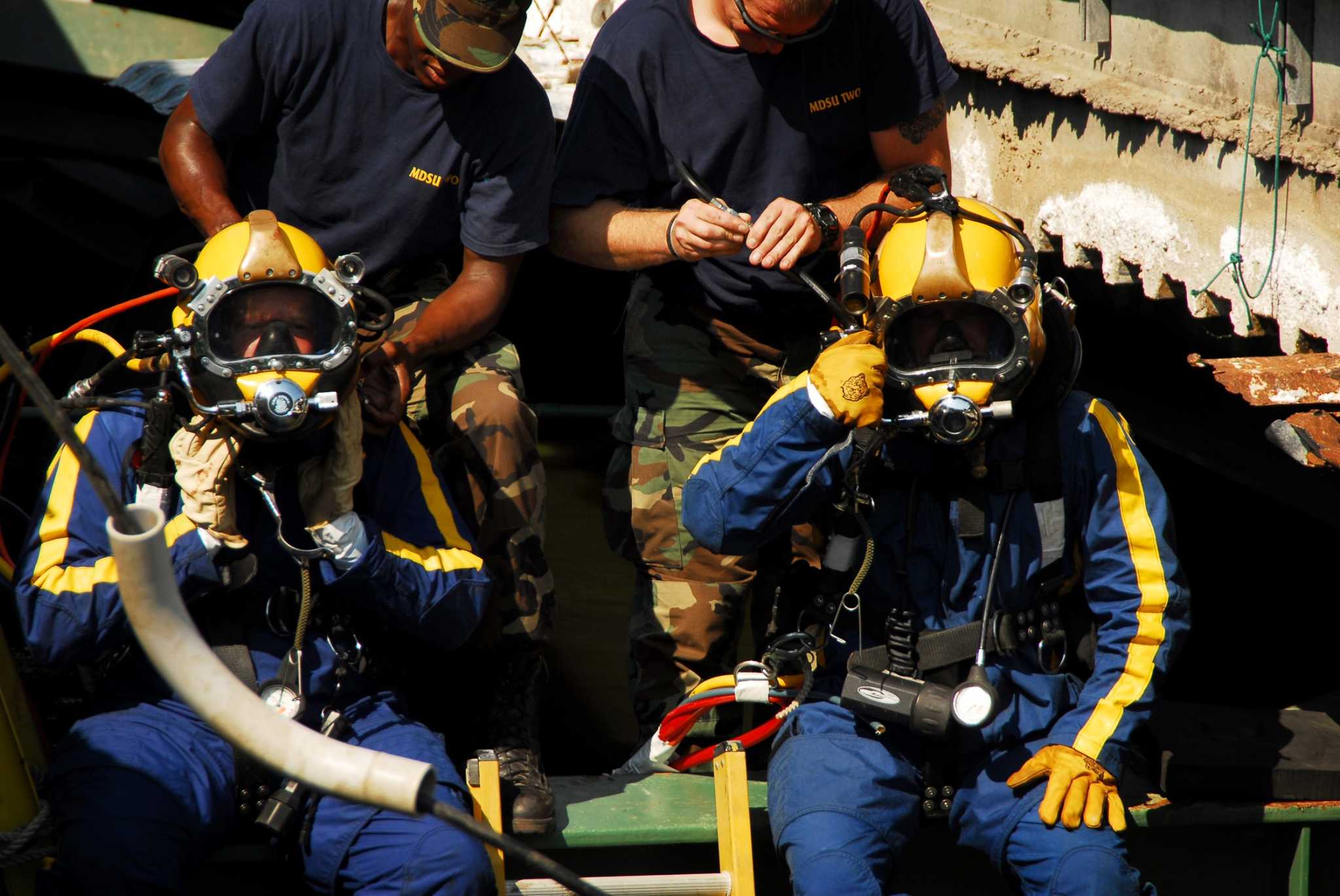
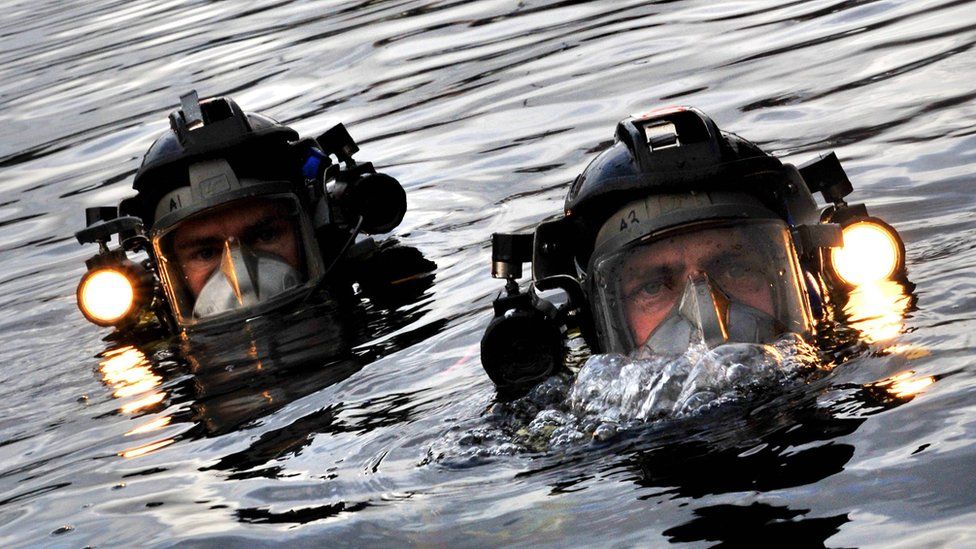
When you think of naval divers, the image that often pops up is that of a brave soul in a bulky suit, exploring the ocean’s depths. What’s less visible, yet just as critical, is the specialist who watches over their health from the surface: the Royal Navy Diving Medical Officer. This officer blends clinical expertise with an understanding of pressure, gas, and the unique stresses that underwater work imposes. In this article we’ll peel back the layers of training, daily duties, and the physiological puzzles that keep our divers safe.
What a Royal Navy Diving Medical Officer Does
At its core, the role is a blend of preventative medicine and emergency response. The officer conducts pre‑dive health screenings, ensuring each diver meets strict fitness criteria. They also design decompression tables tailored to specific missions, balancing nitrogen absorption with safe ascent protocols. During exercises, they are stationed on the dive support vessel, ready to diagnose barotrauma, decompression sickness, or any unexpected medical event.
Beyond the water, they advise ship‑board surgeons on how to treat dive‑related injuries, and they contribute to research that refines safety standards across the fleet.
Key Medical Responsibilities
- Fitness‑for‑Dive Assessments: Physical exams, lung function tests, and cardiac evaluations to confirm a diver can handle pressure changes.
- Gas Management: Calculating appropriate oxygen and helium mixes for deep or prolonged dives.
- Decompression Planning: Using dive computers and tables to map safe ascent profiles.
- Emergency Care: Immediate treatment of barotrauma, nitrogen narcosis, and recompression therapy coordination.
Training Pathway and Qualifications
Becoming a Diving Medical Officer isn’t a straight line. First, you must be a qualified medical doctor—typically a General Practitioner or a physician with a background in emergency medicine. After a few years of civilian practice, you apply to the Royal Navy’s Medical Branch and undergo officer training at Britannia Royal Naval College.
Specialised diving medicine training follows. The Royal Navy partners with the Defence Diving School, where candidates study hyperbaric physiology, dive equipment, and the physics of underwater environments. Many officers also earn a postgraduate diploma in hyperbaric medicine, often through the University of Portsmouth or a comparable institution.
Throughout the programme, candidates log thousands of dive hours, both as observers and as participants, to develop an intuitive feel for the pressures involved.
Day‑to‑Day Life Under the Waves
A typical day might start with a briefing on upcoming operations—submarine hull inspections, mine clearance, or training exercises. The officer reviews each diver’s medical file, flags any concerns, and finalises the dive plan. Once the team is in the water, the officer stations a portable hyperbaric monitor on the support vessel, tracking real‑time nitrogen loads.
If a diver complains of “the bends” after surfacing, the officer initiates recompression treatment, often within a mobile hyperbaric chamber mounted on the ship. Meanwhile, they keep a log of each dive’s profile, feeding the data back into research databases that help refine future protocols.
When not on dive missions, the officer spends time in the clinic, conducting routine health checks, updating medical records, and consulting on equipment design to reduce injury risk.
Challenges Unique to Underwater Medicine
Pressure isn’t the only adversary. Cold water can trigger hypothermia, while prolonged exposure to high‑oxygen mixtures raises the risk of oxygen toxicity. The officer must balance these competing dangers, often with limited resources and under time pressure.
Another subtle challenge is the psychological toll. Divers may experience anxiety about depth or equipment failure. A Diving Medical Officer therefore collaborates with the ship’s mental‑health team to ensure crew resilience, offering counseling and stress‑management workshops.
Finally, technology evolves rapidly. New rebreather systems and mixed‑gas protocols demand continuous learning. Officers attend quarterly seminars and contribute to NATO‑wide research projects, keeping the Royal Navy at the forefront of safe diving practices.
FAQ
What qualifications are required to become a Royal Navy Diving Medical Officer?
You must first be a qualified medical doctor, typically with experience in emergency or primary care. After joining the Royal Navy’s Medical Branch, you complete officer training and a specialised programme in diving and hyperbaric medicine, often culminating in a postgraduate diploma.
How does a Diving Medical Officer differ from a regular ship’s doctor?
While a ship’s doctor handles general health concerns, a Diving Medical Officer focuses on the physiological effects of pressure, gas exposure, and underwater environments. They design dive plans, manage decompression schedules, and oversee emergency recompression therapy.
Can a Diving Medical Officer work outside the military?
Yes. Many transition to civilian hyperbaric clinics, commercial diving companies, or research institutions that study underwater physiology. Their expertise is valuable wherever deep‑sea work occurs.