Is Lawrence of Arabia a White Savior or a Complex Hero?
Why the Question Still Matters
When David Lean’s 1962 epic first hit theaters, it cemented T.E. Lawrence as a larger‑than‑life figure. Decades later, scholars and audiences still ask whether the film glorifies a “white savior” myth or offers a nuanced portrait of a conflicted revolutionary. The debate isn’t merely academic; it shapes how we read colonial history, cinematic myth‑making, and the legacy of a man who straddled both.
Historical Lawrence: The Man Behind the Legend
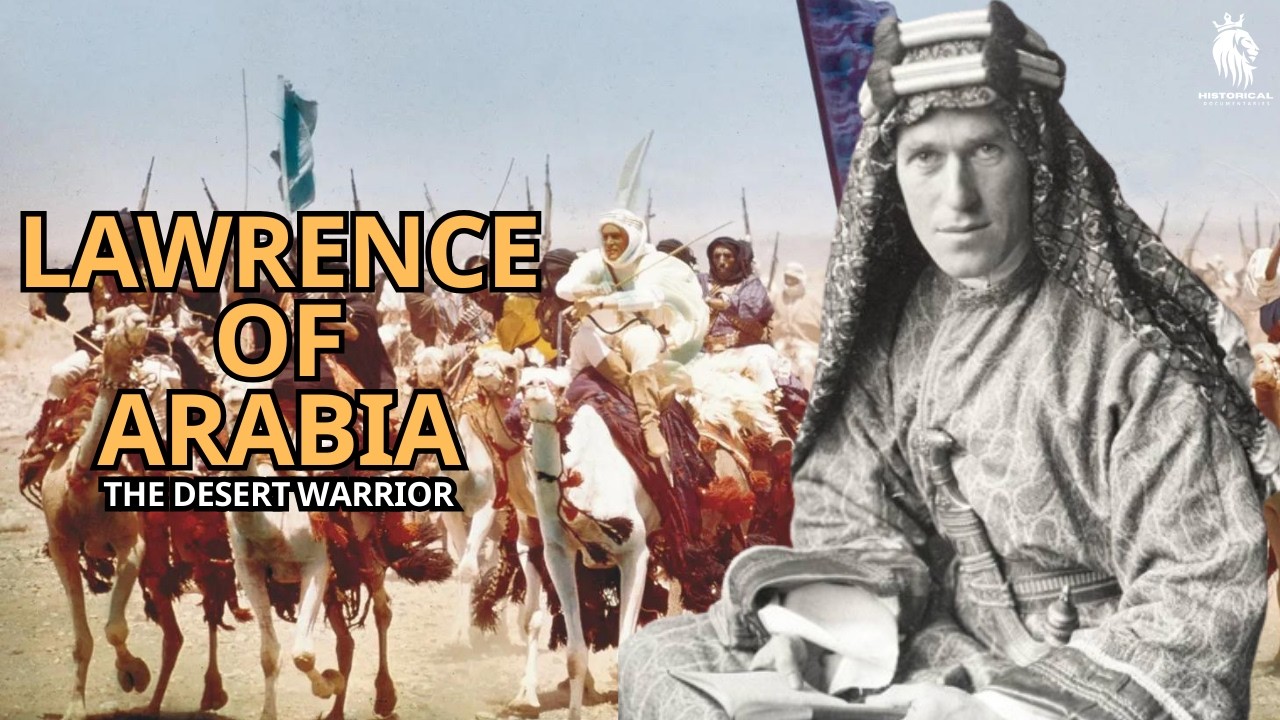
Thomas Edward Lawrence was a British archaeologist turned army officer who entered the Arabian Peninsula during World War I. He helped coordinate Arab tribes against the Ottoman Empire, a campaign that ultimately contributed to the post‑war reshaping of the Middle East. Lawrence’s own writings—most famously Seven Pillars of Wisdom—reveal a self‑conscious, often contradictory personality. He praised Arab bravery, yet he also harbored a belief in Western superiority that was typical of his era’s military officers.
He was not a lone savior. The Arab Revolt depended on tribal leaders like Prince Faisal, whose strategic vision and local knowledge were decisive. Lawrence’s role was that of an adviser and liaison, amplifying Arab aspirations rather than creating them from scratch. This nuance gets lost when the story is reduced to a single Western protagonist.
The Film’s Narrative Choices
Lean’s film follows the arc of Lawrence’s rise, fall, and ambiguous redemption, but it does so through a distinctly British lens. Peter O’Toole’s charismatic performance anchors the story, making the audience experience the desert primarily through Lawrence’s eyes. The film’s sweeping cinematography glorifies the landscape, while the Arab characters, though vital, often appear as background to the Western hero’s inner turmoil.
Romanticizing the Desert
The desert is portrayed as both a battlefield and a spiritual crucible. Lawrence’s famous line—“All that I have learned, I learned from the desert”—suggests a mystical transformation that borders on the mythic. This romantic framing can obscure the very real political stakes for the Arab peoples, whose aspirations for independence were rooted in concrete tribal alliances, not just poetic epiphanies.
White Savior Tropes: A Quick Primer
- Central White Protagonist: The narrative centers on a Western figure whose actions drive the plot.
- Marginalized Local Voices: Indigenous characters often serve to support the hero’s journey rather than lead their own.
- Redemptive Arc: The savior experiences personal growth, implying moral superiority.
- Exotic Setting as Backdrop: The locale is stylized for visual impact, sometimes at the expense of cultural accuracy.
These elements are not unique to “Lawrence of Arabia,” but the film’s prestige amplifies their influence on popular imagination.
Where Lawrence Fits—or Doesn’t
Lawrence certainly displays traits of a white savior: he is the story’s focal point, his strategic brilliance is highlighted, and his personal redemption is foregrounded. Yet the film also hints at his limitations. In several scenes, he is humbled by Arab commanders who question his authority, and his later breakdown in the desert suggests an awareness of his own hubris.
Critics who label Lawrence a “hero” often emphasize his tactical ingenuity—his deception at Aqaba, his coordination of guerrilla raids, and his ability to navigate tribal politics. Those who argue the white savior label points to the film’s omission of Arab agency and the way Lawrence’s narrative overshadows the broader anti‑Ottoman movement.
In truth, Lawrence sits in a gray area. He was a remarkable facilitator, yet he operated within an imperial framework that ultimately benefited the British Empire more than the Arab cause. The film captures this tension, but its emphasis on Lawrence’s personal drama can tilt perception toward hero worship.
Modern Reappraisals and Scholarly Debates
Recent scholarship tends to view Lawrence through postcolonial lenses, interrogating both his self‑mythology and the film’s impact on Western perceptions of the Middle East. Historian Jeremy Wilson, who edited Lawrence’s papers, notes that Lawrence himself was aware of the “mythmaking” around his persona, often exaggerating his role to secure political capital.
Film critics, meanwhile, argue that Lean’s masterpiece should be appreciated as a product of its time—a work that both challenges and reinforces imperial narratives. Some suggest watching the film alongside Arab‑produced accounts of the revolt to gain a fuller picture.
Ultimately, the discussion reflects a broader cultural reckoning: how do we honor historical figures without erasing the contributions of those they ostensibly served? Lawrence’s story invites us to grapple with that question, reminding us that heroism and imperialism can coexist in uneasy partnership.
Frequently Asked Questions
- Q: Was Lawrence of Arabia a hero? A: He was a skilled liaison who helped coordinate the Arab Revolt, but his legacy is complicated by his role within British imperial interests.
- Q: What defines a “white savior” narrative? A: It’s a storytelling pattern where a white character rescues or leads non‑white characters, often minimizing the latter’s agency.
- Q: How historically accurate is the film? A: The movie captures key events and Lawrence’s personality but simplifies many political dynamics and downplays Arab leadership.
- Q: Can we view the film without endorsing its biases? A: Yes—by recognizing its artistic achievements while critically assessing its perspective, viewers can appreciate both its beauty and its shortcomings.