Is the Canon 6D Mark II Still Worth Buying in 2024?
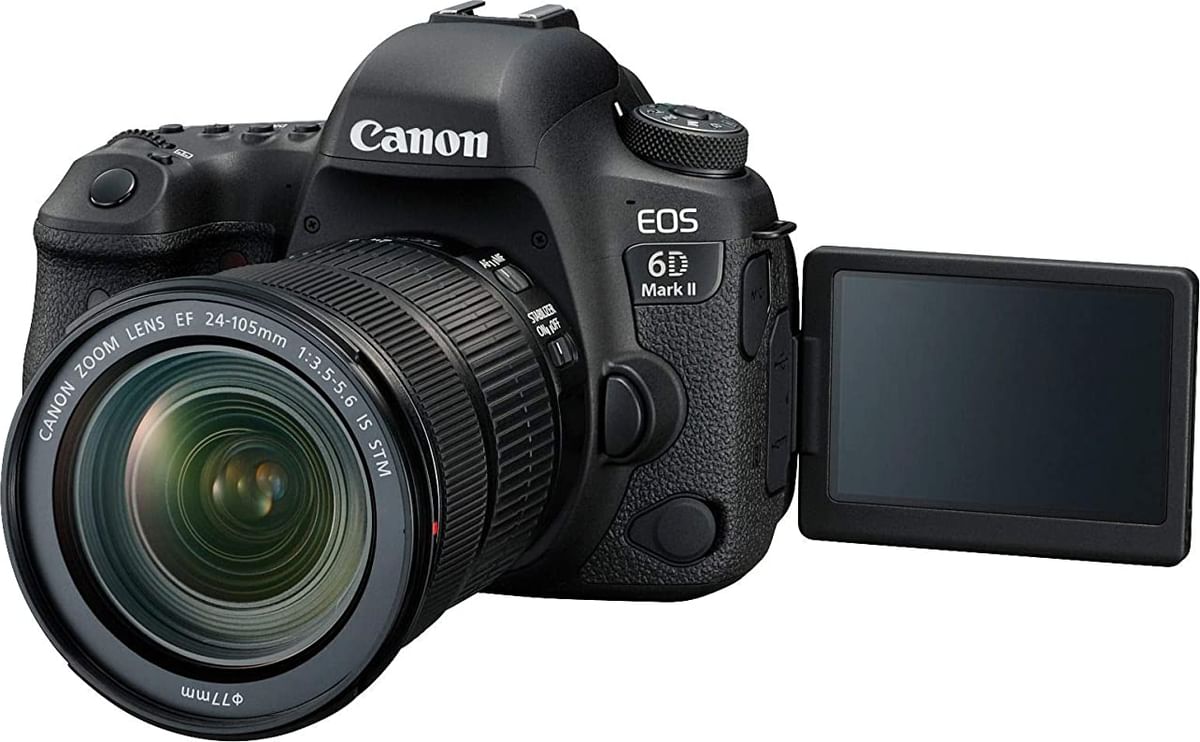
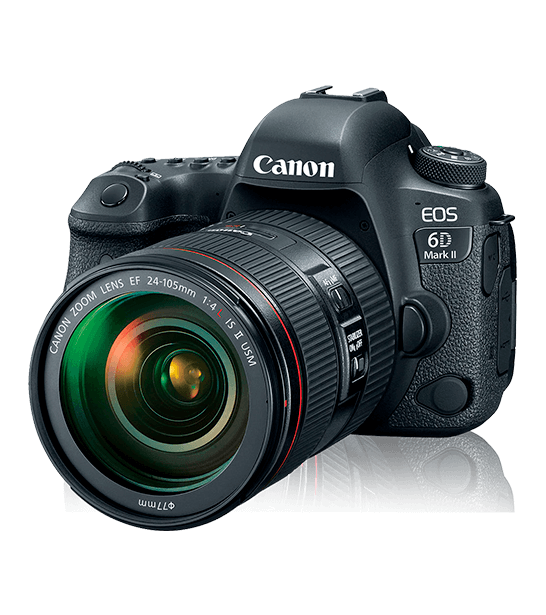
If you’re eyeing the Canon 6D Mark II in 2024, you probably wonder about its price, features, and overall worth. The full‑frame DSLR sits at an interesting crossroads: it’s no longer brand‑new, yet many photographers still praise its handling and image quality. Below we break down the current price landscape, the specs that still shine, and whether the camera offers good value compared to newer options.
Current Price Landscape
Retail prices for a brand‑new Canon 6D Mark II body typically hover between $1,500 and $1,800 in the United States. Certified‑refurbished units can drop to the low $1,300 range, while used models on reputable marketplaces often list for $1,000‑$1,250, depending on condition and included accessories.
Seasonal sales—especially around Black Friday, Cyber Monday, or major photography expos—can shave another $100‑$200 off the sticker price. Keep an eye on bundle deals that pair the body with a kit lens; these can push the total cost closer to $2,000 but may save you the hassle of sourcing glass separately.
Key Features That Matter
The 6D Mark II packs a solid set of specifications that still hold relevance for many shooting scenarios.
- 30.4‑megapixel full‑frame CMOS sensor – delivers detailed stills with good dynamic range.
- 45‑point all‑cross‑type autofocus system – reliable for stills, though not as advanced as mirrorless arrays.
- ISO 100‑40,000 (expandable to 102,400) – offers decent low‑light performance for a DSLR of its era.
- Full HD 1080p video at 60 fps – sufficient for casual videography but lacks 4K.
- Built‑in GPS and Wi‑Fi/NFC – handy for geotagging and quick file transfers.
- Weather‑sealed magnesium alloy body – withstands dust and light rain.
While the sensor resolution rivals many modern mirrorless rivals, the autofocus system feels dated next to on‑sensor phase‑detect arrays. Video enthusiasts will note the absence of 4K, which limits the camera’s appeal for high‑resolution content creation.
Ergonomics and Battery Life
Canon’s ergonomics win points; the grip feels substantial, and the button layout remains intuitive. Battery life shines, with the LP‑E6N cell delivering roughly 1,200 shots per charge—far beyond most mirrorless competitors, which often top out near 600‑800.
How It Stacks Up Against the Competition
In 2024, the entry‑level mirrorless market is crowded. The Canon EOS R10 and Nikon Z 5, for example, both offer 4K video and newer autofocus systems at similar price points. However, they typically sacrifice the 6D Mark II’s robust battery life and the tactile feel of an optical viewfinder.
If you prioritize a traditional DSLR experience—optical viewfinder, long battery runs, and a rugged body—the 6D Mark II still feels competitive. For those chasing the latest autofocus algorithms, eye‑detect AF, or 4K video, a mirrorless option might make more sense.
Is It a Good Value in 2024?
Value hinges on your shooting priorities. For landscape, portrait, and event photographers who value high‑resolution stills and long battery endurance, the 6D Mark II offers a compelling price‑to‑performance ratio, especially when found near the $1,200 mark used.
Conversely, if you need cutting‑edge video features or the fastest autofocus for fast‑moving subjects, you’ll likely stretch your budget further by opting for a newer mirrorless body. In that case, the 6D Mark II may feel like a compromise rather than a win.
Overall, the camera remains a solid “budget full‑frame” choice. Its image quality holds up, the handling is still praised, and the price—particularly on the used market—offers an entry point into full‑frame photography without the premium price tag of newer models.
Frequently Asked Questions
What is the typical resale value of a Canon 6D Mark II?
Resale prices usually fall between $950 and $1,200 for bodies in good condition, though lenses and accessories can push the total higher.
Can the 6D Mark II shoot RAW files fast enough for sports?
The camera’s continuous shooting reaches 6.5 fps, which is adequate for moderate action but may lag behind newer mirrorless competitors that push 10‑12 fps with deeper buffers.
Is the built‑in GPS accurate enough for professional work?
GPS accuracy is decent for general location tagging, but it isn’t as precise as external geotagging tools. Many professionals still add manual coordinates in post‑processing for critical projects.
Does the 6D Mark II support newer Canon lenses?
Yes, any EF‑mount lens works seamlessly, and adapters are available for RF lenses, though you may lose some native functionalities.