LMS for Nigerian Schools: A Practical Buying Guide
When schools in Nigeria are looking to digitize learning, the first question on everyone’s mind is LMS Nigeria. A Learning Management System isn’t just software; it’s the backbone of modern classrooms, enabling course delivery, assessment, and analytics. In this guide we break down what to expect, how to choose the right platform, and what pitfalls to avoid so that your institution gets the most bang for its investment.
What Exactly Is an LMS?
An LMS, or Learning Management System, is a web‑based platform that manages the creation, distribution, and assessment of educational content. Think of it as a virtual school that tracks student progress, hosts videos and quizzes, and allows teachers to collaborate on resources. In Nigeria, where digital infrastructure varies widely, a robust LMS can level the playing field by providing consistent access to quality materials across remote and urban campuses.
Key Features Every Nigerian LMS Should Offer
- Mobile‑First Design: With high mobile penetration in Nigeria, an LMS that works smoothly on smartphones is essential.
- Offline Accessibility: Ability to download lessons or use cached data helps learners in areas with spotty internet.
- Multilingual Support: Local languages like Hausa, Yoruba, or Igbo can widen participation.
- Scalable Architecture: Schools may grow from a few hundred to thousands of users without performance loss.
- Integrations: Compatibility with payment gateways, learning analytics, and existing student information systems.
Popular LMS Choices for Nigeria
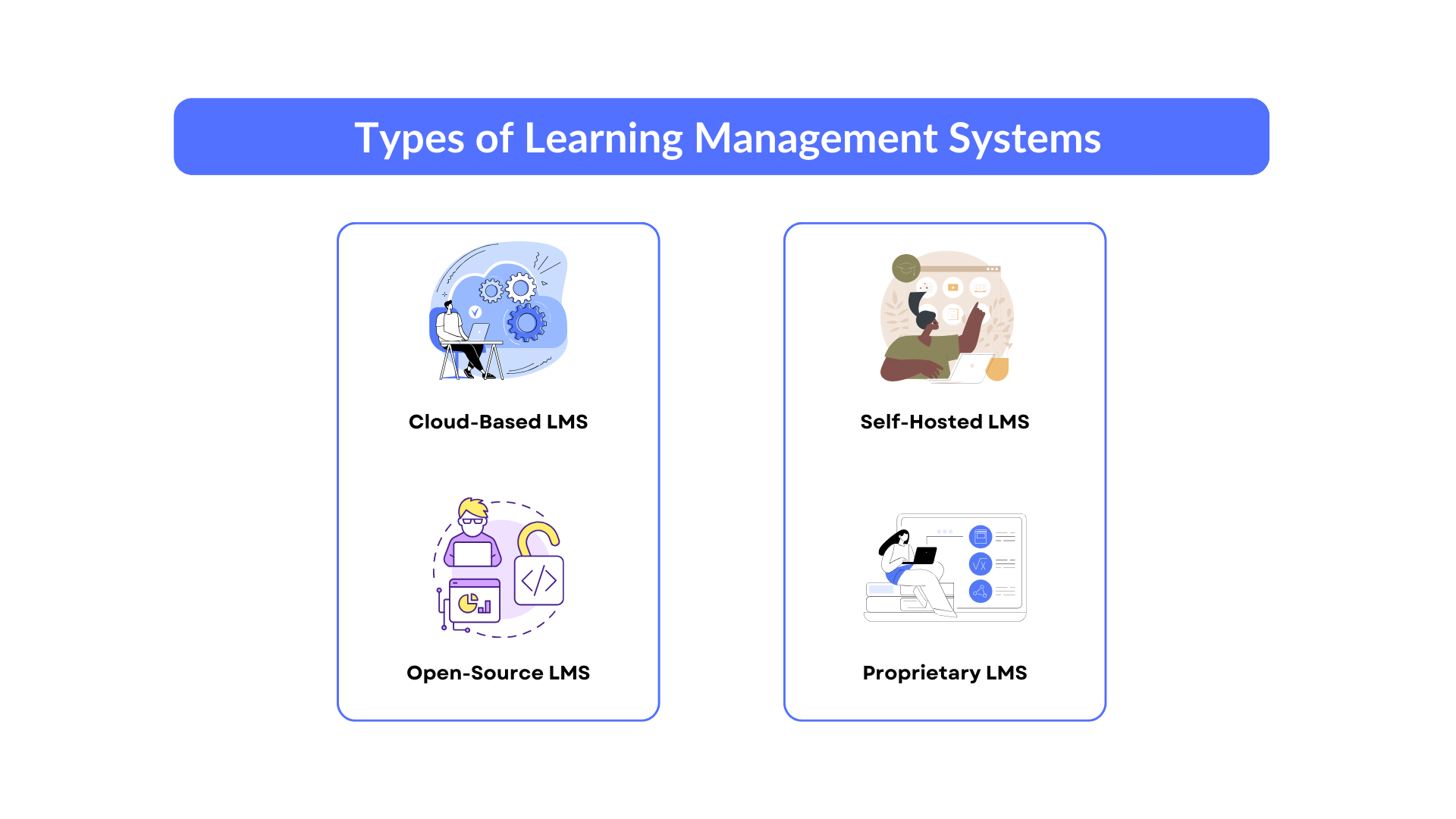
Choosing between open‑source and SaaS solutions hinges on budget, IT expertise, and desired control.
Open‑Source Platforms
Moodle and Open edX are free to download and highly customizable. They require an in‑house server and a team that can manage updates and security. For schools with reliable IT staff, they offer the greatest flexibility.
Cloud‑Based (SaaS) Options
Platforms like Google Classroom, Canvas, and Schoology host all data externally, reducing local maintenance. They usually come with a monthly fee but provide built‑in analytics, automated backups, and instant scalability.
Local Nigerian Solutions
Companies such as EduGrove and LearnHub Nigeria have tailored services that integrate with local payment systems and offer support in native languages. These can bridge the gap between generic global platforms and local needs.
Cost Considerations and Licensing Models
Pricing can vary from free for basic tiers to thousands of dollars a year for premium features. When budgeting, factor in:
- Initial licensing fees or subscription costs.
- Hardware or hosting expenses for open‑source deployments.
- Training for teachers and administrators.
- Ongoing technical support and software upgrades.
Many providers offer a free trial or a “starter plan” that lets schools evaluate the interface before committing financially.
Implementation Tips for Nigerian Schools
Even the best LMS can falter without thoughtful rollout. Consider these steps:
- Stakeholder Buy‑In: Involve teachers, IT staff, and parents early to set realistic expectations.
- Pilot Program: Test the platform with a single class or department before a full launch.
- Professional Development: Offer hands‑on workshops that cover content creation, assessment design, and data analysis.
- Infrastructure Audit: Ensure network bandwidth, device availability, and power reliability match the LMS’s requirements.
- Data Governance: Clarify how student records will be stored, who can access them, and how backups are handled.
Common Pitfalls and How to Avoid Them
Over‑promising Features: Some vendors tout advanced analytics that may not translate into actionable insights. Verify through demos or trial periods.
Neglecting Local Context: A platform that works well in the U.S. may not perform on Nigerian networks. Test load times and language options locally.
Underestimating Training Needs: Even intuitive interfaces require time for teachers to adapt. Schedule phased training and create quick‑reference guides.
Final Decision Checklist
- Does the LMS meet core feature requirements (mobile, offline, multilingual)?
- Can the institution afford the total cost of ownership?
- Is there sufficient local support or a robust community?
- Have pilot users reported positive experiences?
- Does the platform align with the institution’s long‑term digital strategy?
FAQ
What is the cheapest LMS option for Nigerian schools?
Open‑source platforms like Moodle can be free to use but require IT support. Cloud solutions often offer free tiers, though they may limit users or features.
Can Nigerian schools use an LMS with limited internet?
Yes. Look for platforms that allow offline content downloads and synchronization when connectivity returns.
Do I need an IT team to run an LMS?
Open‑source LMSs need regular maintenance and updates. Cloud‑based services shift most of the technical load to the provider, reducing the need for in‑house expertise.
Will the LMS support multiple languages?
Many major LMSs support language packs or allow custom translations, making it possible to incorporate Hausa, Yoruba, Igbo, and other local languages.
.png?length=1920&name=HubSpot Power-up Bring-cover (1).png)