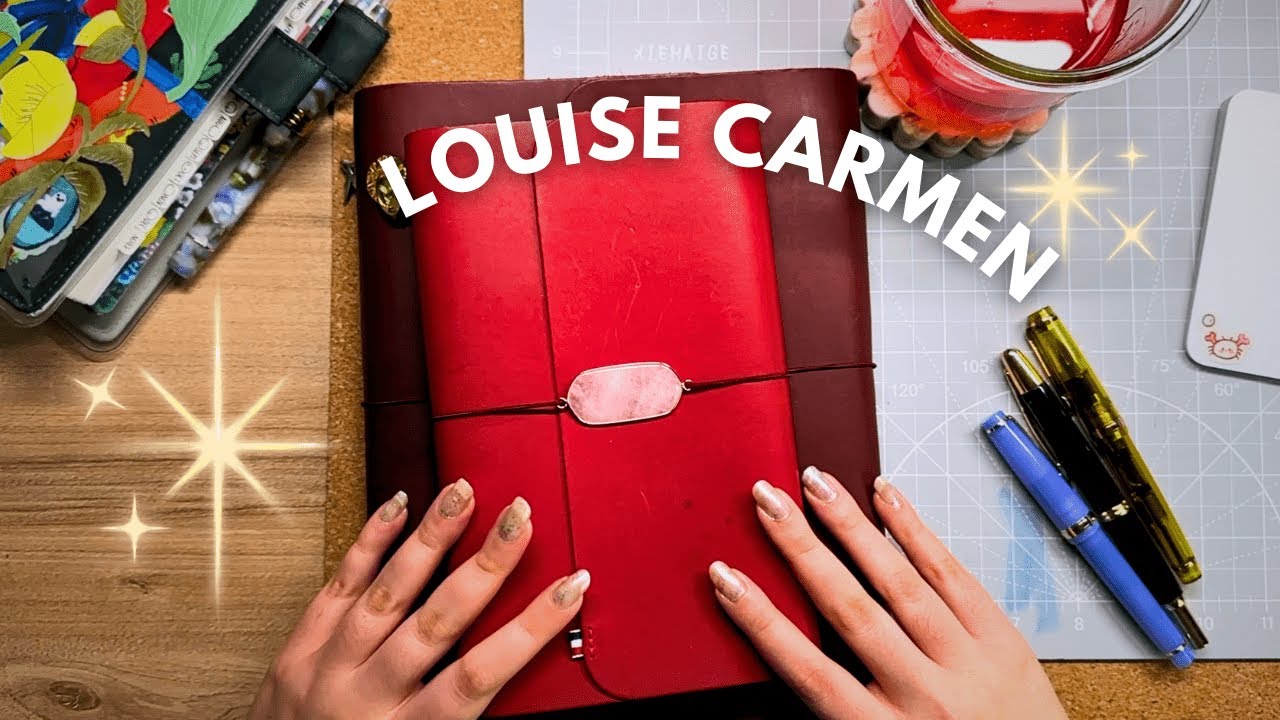
Louise Carmen vs Paper Republic: Which Notebook Wins?
Why the Notebook Battle Matters
For anyone who fills pages with sketches, to‑do lists, or daily reflections, the notebook you choose becomes a silent partner in your creative process. Louise Carmen and Paper Republic have both built reputations around premium paper, thoughtful design, and a touch of luxury. Understanding how they differ can spare you the disappointment of a leaky page or a stiff binding that never quite feels right.
Design Philosophy: Aesthetic Meets Function
Louise Carmen leans heavily into a minimalist, almost architectural aesthetic. Their covers are often matte, with subtle embossing or a single color pop that feels more like a designer accessory than a notebook. Paper Republic, on the other hand, celebrates a more eclectic vibe—think soft pastel hues, hand‑stitched spines, and occasional collaborations with artists that turn the cover into a mini‑gallery.
Both brands prioritize durability, yet they approach it differently. Louise Carmen uses a sewn‑binding technique that ensures the notebook lays flat after multiple opens, while Paper Republic often opts for a hybrid of stitching and adhesive, offering a slightly softer spine that can be easier to open on the go.
Paper Quality: The Heart of the Matter
Paper thickness, or GSM, is the metric most avid notebook users check first. Louise Carmen typically offers 100 gsm acid‑free paper—smooth enough for fountain pens yet robust enough to prevent bleed‑through with most ballpoints. Paper Republic usually steps up to 120 gsm, which feels heftier and is particularly friendly to wet media like water‑based markers.
Beyond weight, the texture differs. Louise Carmen’s paper is often described as “silky,” providing a gentle glide that many call “butter‑smooth.” Paper Republic’s sheets have a subtle tooth, offering a bit more grip—an advantage for those who like a little resistance when writing.
Size and Layout Options
If you’re a traveler, size matters. Louise Carmen offers a compact A6 (105 × 148 mm) version that fits comfortably in a coat pocket, plus a larger A5 (148 × 210 mm) for those who need more real estate. Paper Republic mirrors these dimensions but adds a B5 (176 × 250 mm) option, which strikes a sweet spot between portability and space.
Layout choices also vary. Both brands provide lined, dotted, and plain pages, but Paper Republic throws in a few “grid” layouts aimed at designers and architects—a niche not commonly found in Louise Carmen’s lineup.
Pricing: Premium Meets Practical
Louise Carmen’s notebooks hover around $30‑$45 USD, depending on size and special editions. Paper Republic’s pricing ranges from $25 for the standard models up to $55 for limited‑edition collaborations. While both sit in the premium bracket, Paper Republic’s broader price spectrum gives budget‑conscious shoppers a bit more flexibility.
It’s worth noting that both brands often run seasonal sales or bundle deals that can shave $5‑$10 off the sticker price. Subscribing to their newsletters or following them on social media is a good way to catch those discounts.
Eco‑Friendliness and Manufacturing Ethics
In today’s market, sustainability isn’t just a buzzword. Louise Carmen sources its paper from FSC‑certified forests in Europe and uses recycled cardboard for its covers. Their packaging is minimal, typically a single recyclable sleeve.
Paper Republic takes a similar stance, emphasizing that all of its paper is made from post‑consumer waste and is certified by the Forest Stewardship Council. Additionally, the brand pledges to plant a tree for every 100 notebooks sold, a program verified by a third‑party NGO.
User Experience: Real‑World Feedback
Online reviews reveal a common theme: Louise Carmen users rave about the notebook’s ability to stay flat and the “smooth writing experience” that makes long journaling sessions enjoyable. However, a few note that the thinner paper can bleed when using bold gel pens.
Paper Republic fans appreciate the thicker paper and the variety of color options, especially for creative work. Some reviewers mention the hybrid binding can feel slightly less sturdy after heavy use, but many consider it a minor trade‑off for the added flexibility.
Which Notebook Should You Choose?
If you prioritize a sleek, minimalist look, a notebook that lies completely flat, and a smoother paper texture, Louise Carmen is likely the better fit. It excels for writers, students, and anyone who spends hours penning thoughts and wants a refined aesthetic.
If you need a heavier page that handles markers, occasional watercolor, or simply love a splash of color and artistic collaboration, Paper Republic may edge you out. Its wider size options and grid layouts also make it a strong contender for designers and planners.
Final Thoughts
Both brands deliver high‑quality products that respect the craft of notebook making. Your decision will hinge on personal preferences—paper weight, design style, price, and intended use. Whichever you pick, you’re stepping up from the average spiral‑bound option to a notebook that feels like a deliberate, tactile extension of your thoughts.
FAQ
- Do Louise Carmen notebooks work well with fountain pens? Yes, the 100 gsm paper generally handles fountain pen ink without excessive feathering, though very wet inks may require a quick blot.
- Is Paper Republic’s paper truly bleed‑through resistant? At 120 gsm, most ballpoints, gel pens, and even light water‑based markers stay on the surface, but heavy watercolor washes can still seep.
- Which brand offers better eco‑friendly options? Both are FSC‑certified, but Paper Republic’s tree‑planting program gives it a slight edge for environmentally conscious buyers.
- Can I buy a refill pack for either notebook? Louise Carmen offers refill pads for select sizes, while Paper Republic provides bulk paper packs that can be glued into existing covers.