Luxembourg and Germany Compared: Economy, Culture, and Lifestyle
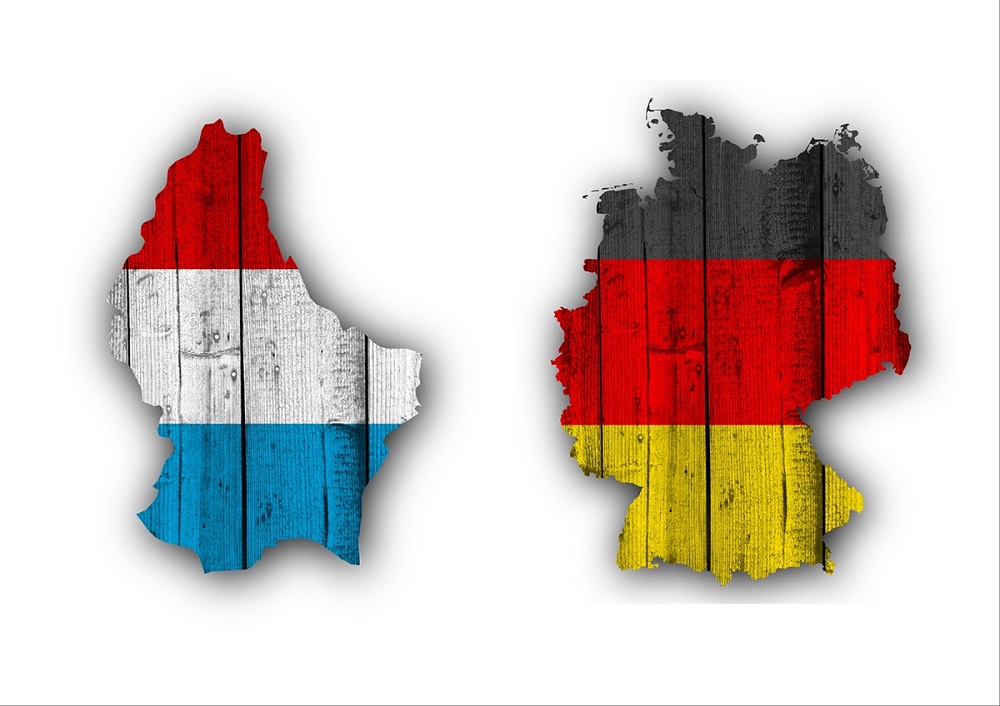
When you put Luxembourg vs Germany on the table, the first thing most people notice is the sheer difference in size. One is a compact Grand Duchy tucked between Belgium, France, and Germany; the other stretches from the North Sea to the Alps, home to over 80 million people. Yet despite the contrast, both countries share a border, a commitment to European integration, and a reputation for high living standards. This guide walks through the most telling points of comparison—from GDP per capita to language quirks—so you can see exactly how the two neighbours stack up.
Economic Landscape
Luxembourg consistently ranks among the world’s wealthiest nations on a per‑person basis, largely thanks to a thriving financial sector and a business‑friendly tax regime. Germany, by contrast, boasts the largest economy in Europe, driven by manufacturing, automotive giants, and a robust export market.
- GDP per capita: Luxembourg hovers around US$130,000, while Germany’s figure sits near US$55,000.
- Unemployment: Both economies are relatively tight; Luxembourg’s rate is roughly 5 %, and Germany’s is slightly higher at about 5.5 %.
- Corporate tax: Luxembourg offers a headline rate of about 17 %, compared with Germany’s roughly 30 %.
In practice, the Luxembourg model relies heavily on cross‑border commuters—over 45 % of the workforce lives in neighboring countries—whereas Germany’s labor market is more domestically sourced.
Political Structure and Governance
Luxembourg is a constitutional monarchy headed by Grand Duke Henri, with a unicameral Chamber of Deputies. Decision‑making tends to be swift, and the small scale allows for a high degree of personal interaction between officials and citizens.
Germany is a federal parliamentary republic composed of 16 Länder (states). Power is distributed between the Bundestag, the Bundesrat, and state governments, creating a more layered legislative process. This federalism gives regions considerable autonomy, especially in education and policing.
Social Services and Education
Both countries fund generous welfare systems, yet they approach them differently. Luxembourg’s social security covers health, pensions, and family benefits, often financed by contributions from the sizable expatriate workforce. Germany’s system, while similarly comprehensive, is financed through a broader base of contributions and includes a mandatory health insurance model.
Education in Luxembourg is trilingual: children learn Luxembourgish, German, and French from the start, with English added later. This multilingual environment produces a highly adaptable workforce. Germany’s schools focus primarily on German, with English as the main foreign language, though many states now offer bilingual tracks.
Higher Education Highlights
- Luxembourg boasts the University of Luxembourg, a young institution with strong links to EU bodies and a focus on research in finance and technology.
- Germany’s university landscape is vast, featuring world‑renowned institutions such as the Technical University of Munich and Heidelberg University, often tuition‑free for EU citizens.
Cultural Identity and Language
Luxembourgish, a Moselle Franconian dialect, is the national language, but German and French are official for administration and media. This linguistic blend reflects the country’s crossroads position and creates a cultural tapestry that feels both Germanic and Romance.
Germany’s cultural identity is more homogenously German, though regional dialects (Bavarian, Swabian, Low German) still color everyday speech. Music, philosophy, and engineering are national hallmarks, while festivals like Oktoberfest showcase a distinct communal spirit.
Living Costs and Quality of Life
Housing is the most striking disparity. In Luxembourg, rent for a one‑bedroom apartment in the city centre can exceed €2,200 per month, driven by limited supply and high demand from cross‑border commuters. In German cities like Berlin or Munich, prices are lower on average, though major hubs have seen sharp increases in recent years.
Both nations rank high on the United Nations Human Development Index, but Luxembourg often edges out Germany in personal safety, public transport efficiency, and net disposable income. On the other hand, Germany offers a broader range of cultural venues, diverse culinary scenes, and more varied natural landscapes—from coastal cliffs to alpine peaks.
Travel and Connectivity
Getting around is a breeze thanks to excellent rail networks on both sides of the border. Luxembourg’s public transport is free for all residents—a policy introduced in 2020 that has boosted ridership and reduced traffic. Germany’s Deutsche Bahn provides extensive high‑speed connections, though ticket prices can be higher without early booking.
Future Outlook
Both countries are investing heavily in green technology. Luxembourg aims to become a carbon‑neutral financial hub by 2030, while Germany’s “Energiewende” continues to reshape its energy mix toward renewables. The collaboration on cross‑border projects—like the Luxembourg‑Germany “Greater Region” initiative—suggests that, despite differences, the two economies will remain closely intertwined.
Frequently Asked Questions
Which country has the higher GDP per capita?
Luxembourg leads by a wide margin, with a per‑person GDP roughly double that of Germany.
How do corporate tax rates differ?
Luxembourg’s headline corporate tax sits near 17 %, while Germany’s effective rate is closer to 30 %.
Is it easier to learn German or Luxembourgish?
German is taught worldwide and has a larger pool of learning resources, making it generally easier for most learners. Luxembourgish, though related, is a smaller language with fewer textbooks and courses available.