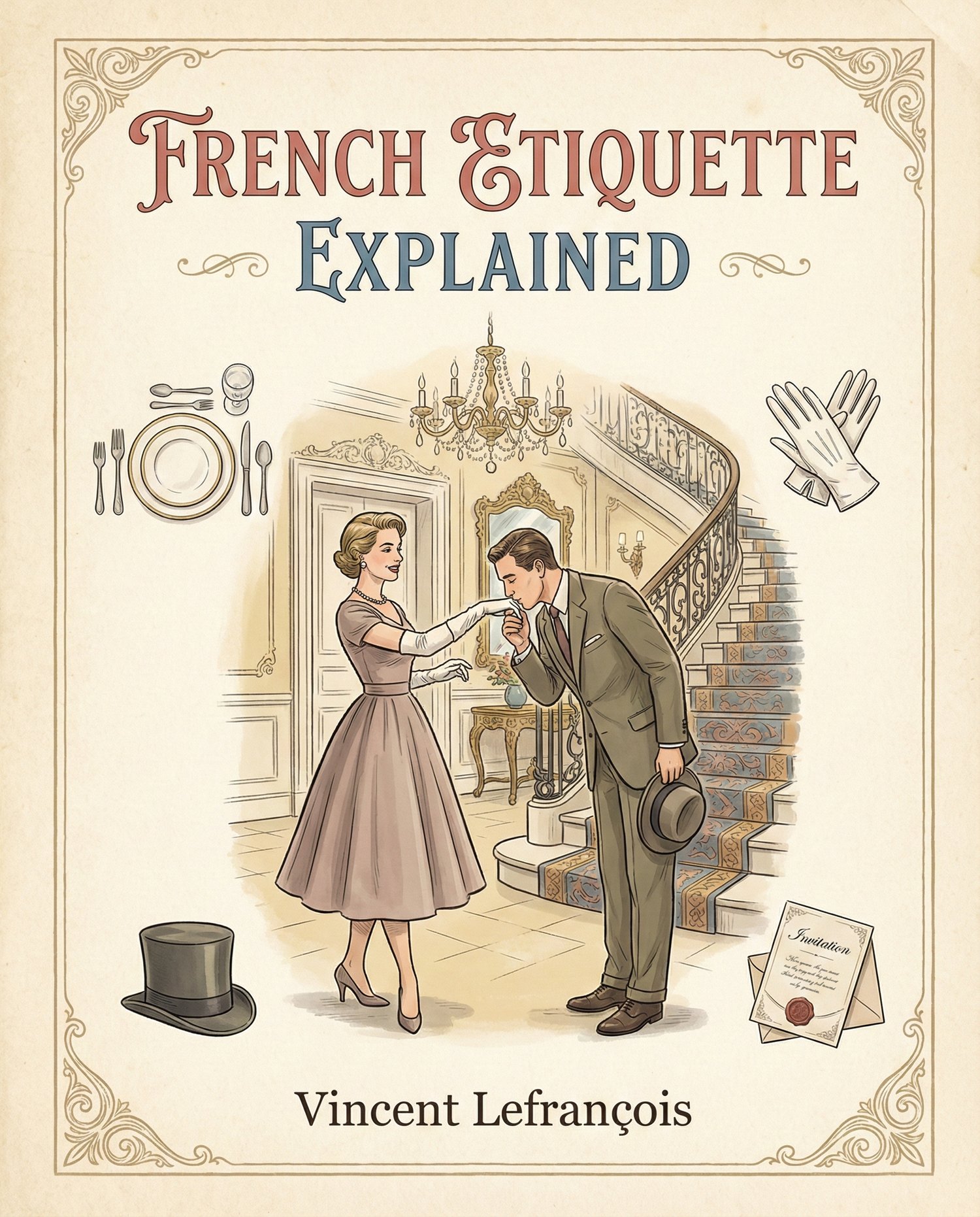
Master French Etiquette: A Practical Guide for Everyday Interactions
When you step onto a cobblestone street in Paris or share a café table in Lyon, the subtle rules of French etiquette pop up faster than you might expect. Knowing when to say “bonjour” versus “bonsoir,” how to navigate a dinner invitation, or the proper way to address a colleague can make the difference between a warm welcome and an awkward pause. This guide walks you through the most useful customs, so you can blend in with ease and enjoy the French way of life.
Why French Etiquette Still Matters
France’s reputation for style isn’t limited to fashion; it extends to manners. Whether you’re negotiating a contract or simply ordering a croissant, people appreciate respect for cultural norms. Proper etiquette signals that you value the interaction, and it often opens doors to deeper conversations and smoother experiences.
Key Social Norms to Know
French social life revolves around a few core ideas: politeness, discretion, and a measured pace. Here are the basics you’ll encounter most often:
- Greetings: A firm handshake with eye contact is standard in business, while friends exchange a light kiss on each cheek (la bise) – usually two kisses, though this can vary by region.
- Addressing others: Use “vous” for strangers, elders, and professional contacts. Switch to “tu” only when invited; it’s a sign of intimacy, not familiarity.
- Conversation tone: Speak at a moderate volume and avoid interrupting. The French cherish intellectual debate, but they also expect each speaker to finish their thought.
Dining Etiquette: From Bread to Dessert
Meals in France are almost ritualistic, and a few simple gestures go a long way.
Before the meal, wait for the host to signal the start, often with a “Bon appétit.” You’ll notice that bread is placed directly on the table, not on a plate, and you should use it to accompany the food, not as a utensil.
During the course, keep your hands visible, resting wrists on the edge of the table. Fork in the left hand, knife in the right, and never switch hands mid‑course. If you’re offered wine, a small sip is polite; a full glass might be seen as overindulgent.
After dessert, the host usually serves coffee. Declining is acceptable, but a brief thank‑you and a smile show appreciation for the hospitality.
Business and Professional Courtesy
In a French office, hierarchy is respected but not overtly flaunted. Dress is typically smart‑casual for most sectors, though law and finance still favor dark suits.
Meetings begin promptly; arriving five minutes early is a sign of respect. When presenting ideas, structure matters – a clear introduction, logical progression, and a concise conclusion. The French value logical argumentation over flashy sales pitches.
When leaving a meeting, a handshake and a courteous “Merci pour votre temps” (Thank you for your time) leave a positive impression.
Common Mistakes Tourists Make
Even well‑intentioned visitors slip up. Here are the pitfalls to avoid:
- Skipping the greeting altogether – a quick “bonjour” goes a long way.
- Using “tu” prematurely – it can be perceived as disrespectful.
- Talking loudly in public spaces – the French appreciate a more subdued tone.
- Leaving a tip on the table in a restaurant – service is included; rounding up the bill is sufficient.
Quick Reference Checklist
- Say “bonjour” before any interaction; switch to “bonsoir” after dusk.
- Offer a handshake; follow the host’s cue for la bise.
- Use “vous” until invited to use “tu.”
- Keep hands on the table, not in your lap.
- Wait for the host to start eating before you do.
- Dress smartly for business, even in creative fields.
- Leave a modest tip; the service charge is usually covered.
Frequently Asked Questions
Do I need to bring a gift when invited to a French home?
It’s courteous to bring a small token, such as a bottle of wine, a box of chocolates, or fresh flowers. Avoid overly lavish presents, which can feel imposing.
How many kisses are appropriate for “la bise”?
Two kisses is the most common practice across France, though some regions do three or even four. When in doubt, follow the host’s lead.
Is it acceptable to ask for the check before finishing a meal?
Generally, you wait until everyone signals they’re done. In a business setting, you might discreetly ask the waiter for the bill, but it’s best to let the host decide.
What should I say if I’m late to a dinner?
A brief apology – “Je suis désolé du retard” – followed by a sincere thank you for the wait, shows respect for the host’s time.