Military World 2023: Key Trends and Developments
Every year, defense analysts sift through headlines, budgets, and battlefield footage to distill what matters most for tomorrow’s wars. The Military World Update 2023 provides that snapshot, pointing to the most influential shifts shaping global security. In this article, we unpack the top trends—cyber, hybrid, autonomous, nuclear, and alliance dynamics—so you can understand where the next decade might head.
Military World Update 2023 Highlights
2023 has been a pivot year: tech leaps, geopolitical flashpoints, and shifting doctrines all converged to redefine modern warfare. Below are the five threads that are tightening the fabric of military strategy worldwide.
1. Rising Cyber Warfare Capabilities
Cyber operations now match, and in some cases surpass, kinetic force in terms of strategic impact. Nations are investing heavily in offensive and defensive cyber arsenals. Key developments include:
- Nation‑state ransomware: Attackers target critical infrastructure, forcing governments to rethink resilience.
- Zero‑trust architectures: Military networks are moving toward stricter authentication to limit lateral movement.
Because cyber can cripple supply chains or communications without firing a shot, defense budgets now include cyber‑security as a core capability rather than an add‑on.
2. Hybrid Warfare and Information Operations
Hybrid tactics blur the line between conventional and unconventional warfare. In 2023, we saw a surge in information operations—propaganda, deepfakes, and social media manipulation—used alongside kinetic actions.
- Digital battlefields: State actors deploy bots to influence elections and sow discord.
- Co‑ordinated denial: Combined cyber and kinetic attacks disrupt logistics and morale simultaneously.
- Strategic narrative control: Nations craft stories that legitimize their actions while undermining adversaries.
Military planners now conduct scenario drills that incorporate misinformation streams, recognizing that controlling the narrative can be as decisive as controlling territory.
3. Autonomous Systems and Robotics
Autonomy has moved from concept to operational reality. Unmanned vehicles—air, land, and sea—are entering frontline roles in 2023.
- Unmanned combat air vehicles (UCAVs): Piloted by AI, they can perform precision strikes with reduced human risk.
- Swarm robotics: Coordinated swarms provide surveillance or saturate enemy defenses.
- Logistics drones: Deliver supplies to forward bases faster and with less exposure.
Ethical and command‑control questions persist, but the trend is unmistakable: autonomy is becoming a force multiplier across theaters.
4. Modernizing Nuclear Deterrence
While many nations view nuclear weapons as a last resort, 2023 has seen renewed emphasis on modernization to preserve deterrence credibility.
- New missile platforms: Submarine‑launched and hypersonic cruise missiles promise faster strike times.
- Enhanced command‑control: Secure, resilient communication systems reduce the chance of accidental launches.
- Deterrence diplomacy: Talks about arms control reflect a desire to keep nuclear weapons under tight regulation.
These upgrades signal that nuclear forces remain integral to national security, albeit with a heightened focus on preventing escalation.
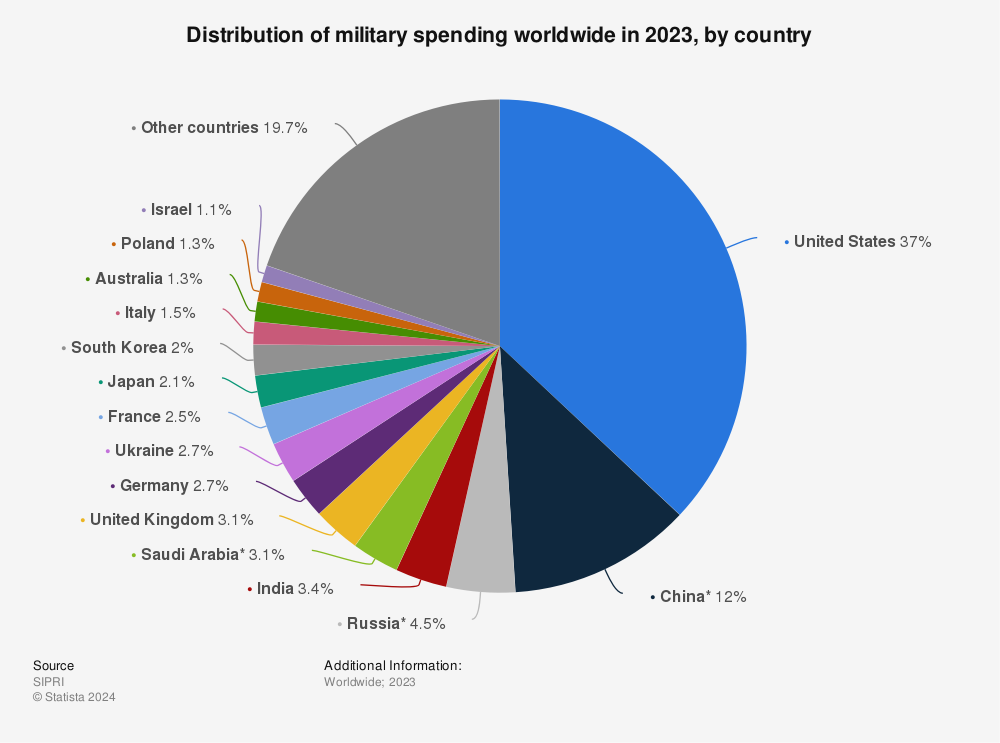
5. Global Alliances and Defense Spending
Economic and strategic pressures are reshaping traditional alliances. The United States, Europe, and Indo‑Pacific partners are adjusting budgets and cooperation models.
- Quadrilateral engagements: The US‑Japan‑Australia‑India framework deepens joint exercises and supply‑chain integration.
- European defense consolidation: Shared procurement programs aim to reduce duplication and boost industrial capacity.
- China’s Belt & Road defense ties: Infrastructure projects double as military footholds in strategic corridors.
Investment in joint training and standardization helps offset cost disparities, ensuring that smaller partners can keep pace with larger militaries.
Looking Ahead: What These Trends Mean for 2024 and Beyond
The convergence of cyber, hybrid, autonomous, and nuclear capabilities suggests a multi‑layered battlefield that rewards flexibility. Militaries must cultivate cross‑domain expertise, foster rapid decision cycles, and invest in resilient command structures. Meanwhile, alliances will need to adapt to shifting power balances, ensuring that collective defense remains credible and efficient.
Frequently Asked Questions
Q: How does the Military World Update 2023 affect small nations?
A: Smaller states can leverage affordable autonomous platforms and cyber tools to level the playing field, but they must also build robust alliances to deter larger adversaries.
Q: What is the biggest risk posed by autonomous weapons?
A: The primary risk is loss of human oversight, which could lead to unintended escalation or moral dilemmas in target selection.
Q: Are nuclear modernizations a sign of imminent conflict?
A: Modernization aims to preserve deterrence rather than provoke war; however, it does increase the stakes should an escalation occur.
Q: How can businesses contribute to national defense resilience?
A: By securing supply chains, investing in cybersecurity, and participating in public‑private partnerships that enhance technological readiness.
In sum, the Military World Update 2023 highlights a complex tapestry of advancements and strategic recalibrations. Understanding these trends equips policymakers, industry leaders, and the public to navigate the evolving security landscape with insight and foresight.




.jpg)