Praying the Rosary Made Easy: A Clear English Guide
What the Rosary Is and Why It Matters
The rosary is more than a string of beads; it’s a rhythmic prayer that invites the faithful to meditate on key events in the life of Jesus and Mary. For many, its repetitive cadence creates space for reflection, while the accompanying mysteries offer a structured way to contemplate core Christian beliefs. Understanding its purpose helps keep the mind from wandering when you begin the prayer.
Gathering What You Need
Before you start, make sure you have the essentials. You don’t need a fancy set—any set of rosary beads will work, even a simple loop of beads you’ve made yourself.
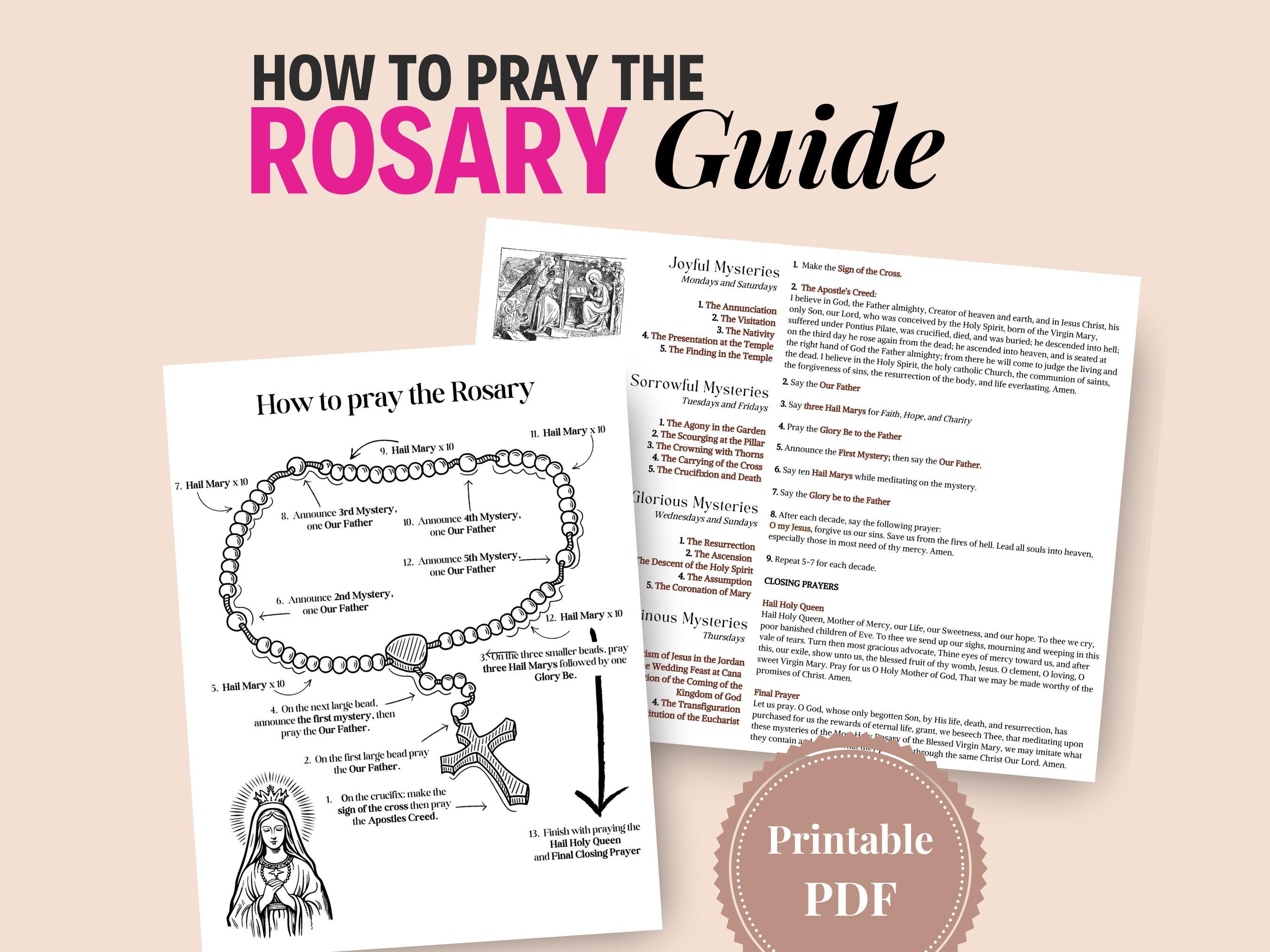
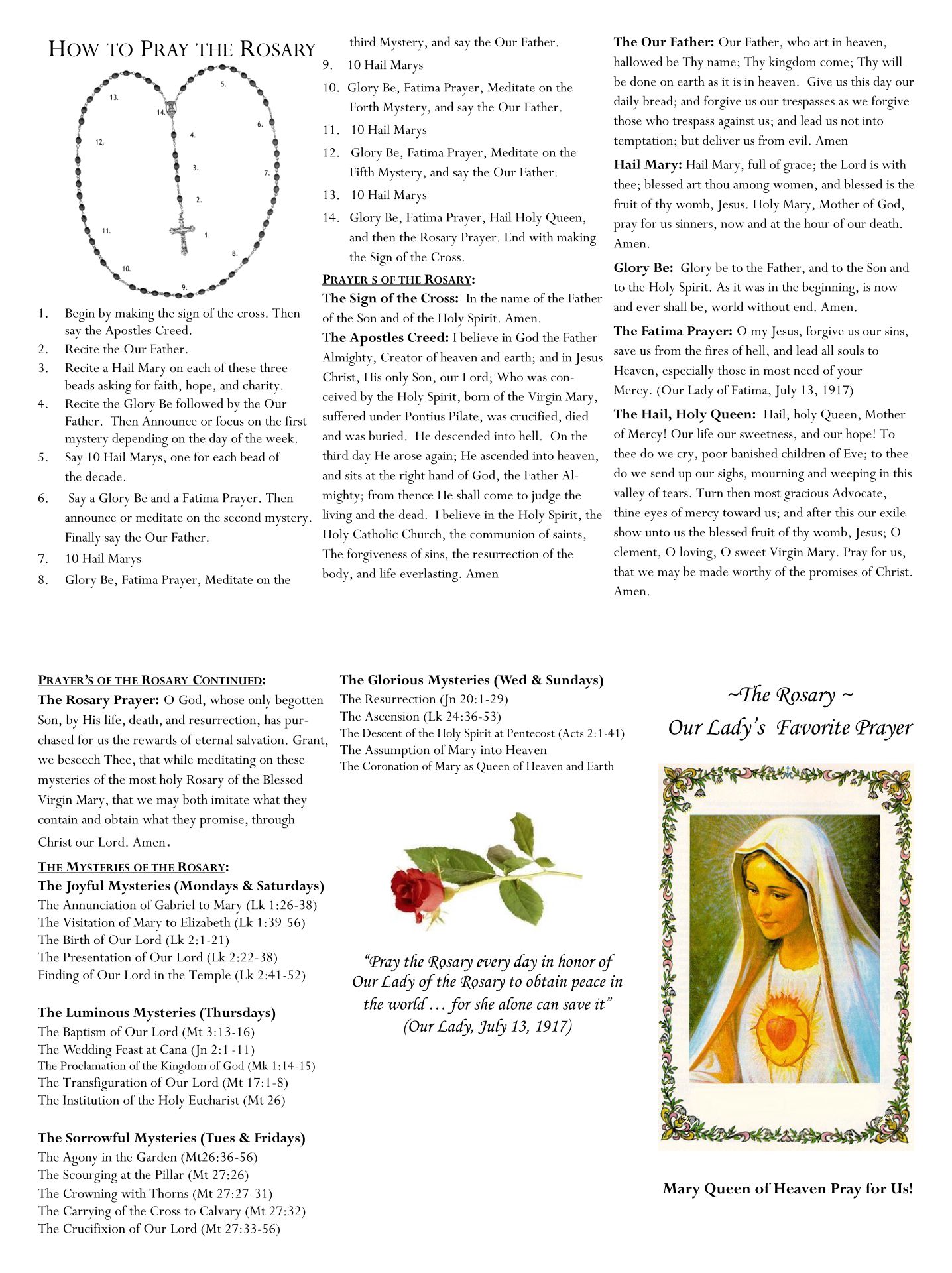
- Rosary beads – a crucifix, a centerpiece (often a medal), and five groups of ten beads each.
- A quiet spot – a place where you can focus for about twenty minutes.
- A copy of the mysteries – either printed or memorized, to guide your meditation.
Understanding the Structure
The rosary follows a consistent pattern that repeats for each set of ten beads, called a “decade.” Knowing this layout prevents you from feeling lost midway through.
- Introductory prayers: Sign of the Cross, Apostles’ Creed, Our Father, three Hail Marys, and a Glory Be.
- Five decades: Each decade begins with an Our Father, followed by ten Hail Marys, then a Glory Be.
- Mysteries: After each decade, a short meditation on one of the Joyful, Sorrowful, Glorious, or Luminous mysteries.
Step‑by‑Step: How to Pray the Rosary
Below is a straightforward walk‑through. Feel free to pause after each prayer to reflect on the mystery you’re meditating on.
- 1. Make the Sign of the Cross and hold the crucifix. Say, “In the name of the Father, and of the Son, and of the Holy Spirit. Amen.”
- 2. Recite the Apostles’ Creed on the first large bead.
- 3. Pray the Our Father on the next large bead.
- 4. Say three Hail Marys, each on one of the three small beads that follow, offering a brief intention for each.
- 5. Glory Be on the next large bead, concluding the opening prayers.
- 6. Announce the first mystery (e.g., the Annunciation for the Joyful mysteries) and reflect on it briefly.
- 7. Our Father on the first bead of the decade.
- 8. Ten Hail Marys, one on each of the ten smaller beads, keeping the mystery in mind.
- 9. Glory Be after the tenth Hail Mary, followed by the Fatima Prayer if you like: “O my Jesus, forgive us our sins…”
- 10. Proceed to the next mystery and repeat steps 7‑9 for each of the remaining four decades.
- 11. Finish with the Hail Holy Queen after the five decades, then the final Sign of the Cross.
Tips for Meaningful Prayer
Even a perfect sequence can feel mechanical without intention. Here are a few ways to deepen the experience.
- Visualize the scene described by each mystery; imagine the sights, sounds, and emotions involved.
- Use a small journal to note any thoughts or prayers that arise during the decade.
- Vary the pace: slower for solemn mysteries, a bit quicker for joyful ones, matching the mood of the event.
- Invite a companion to pray with you, especially for the Luminous mysteries, which can benefit from shared reflection.
Common Mistakes to Avoid
It’s easy to slip into autopilot. Being aware of typical pitfalls helps keep the prayer vibrant.
- Rushing through the Hail Marys without any thought—slow down and breathe.
- Skipping the mysteries altogether—without them the rosary loses its meditative focus.
- Getting distracted by devices—consider turning off notifications or leaving the phone in another room.
- Forgetting to end with the Hail Holy Queen—this closing prayer ties the whole devotion together.
FAQ
Q: How long does a full rosary usually take?
A: Most people finish in about twenty minutes, though it can be shorter or longer depending on how deeply you meditate on each mystery.
Q: Can I pray the rosary without a physical set of beads?
A: Yes. You can use your fingers to count, or even picture the beads in your mind. The important part is the prayer itself, not the material object.
Q: Which set of mysteries should I pray on a Monday?
A: Traditionally, the Joyful mysteries are prayed on Mondays and Saturdays, the Sorrowful on Tuesdays and Fridays, the Glorious on Wednesdays and Sundays, and the Luminous on Thursdays.