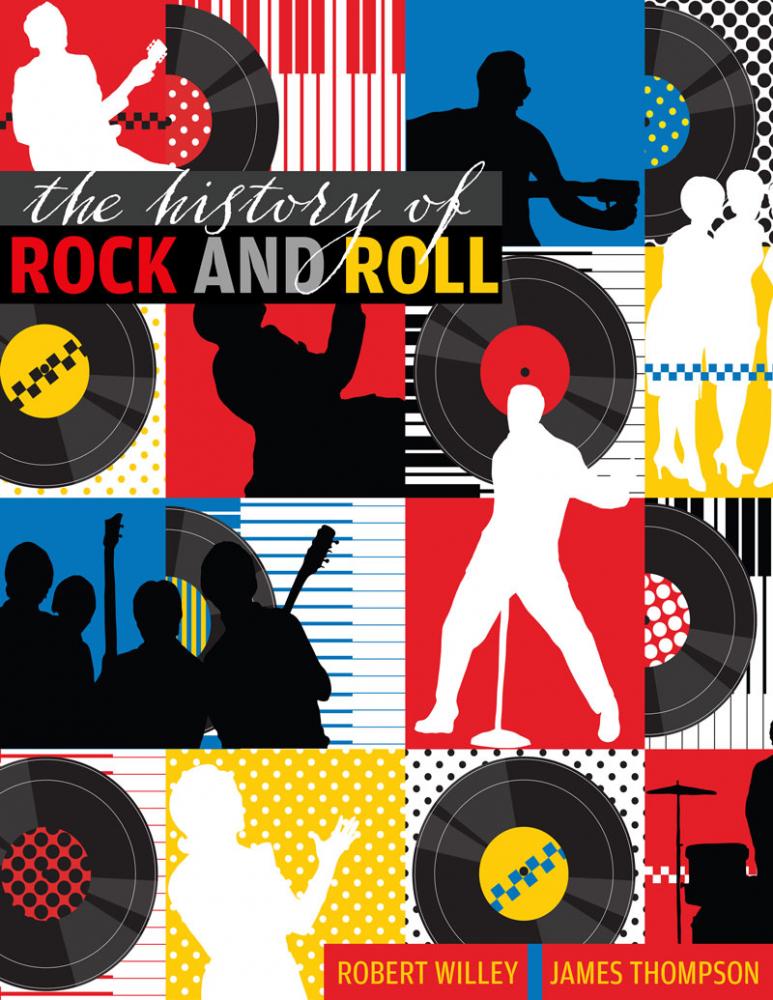
Rock & Roll: From Blues Roots to Global Phenomenon
Rock and roll music emerged as a rebellious, high‑energy fusion that reshaped 20th‑century culture. Its roots run deep—blues, jazz, gospel, and country—yet its evolution reflects shifting social mores, technological advances, and global cross‑pollination. Understanding its history reveals how a simple beat can spark revolutions and cross borders.
Rock & Roll’s Early Influences: Blues, Jazz, and Gospel Roots
Before the electric guitar screamed onto stages, African‑American blues musicians in the Mississippi Delta were laying down the rhythmic and melodic patterns that would later become rock’s skeleton. Artists like Robert Johnson used call‑and‑response techniques from gospel, while jazz’s syncopation added a swing feel. The confluence of these sounds in urban centers like Chicago forged a new, amplified genre.
The Birth of Rock & Roll in the 1950s
In 1954, Bill Haley’s “Rock Around the Clock” cracked the mainstream, but the real catalyst was the teenage boom and the rise of electric amplification. The decade’s sound was defined by a steady backbeat, simple chord progressions, and a youthful defiance that resonated with a generation hungry for change.
Key Pioneers: Chuck Berry, Little Richard, and Buddy Holly
- Chuck Berry crafted signature guitar riffs and narrative lyrics that told stories of cars, love, and rebellion.
- Little Richard injected gospel‑inspired high‑energy vocals and flamboyance, pushing the music into a new visual realm.
- Buddy Holly experimented with studio techniques and songwriting, influencing countless later artists.
Evolution Through the Decades
1960s: The British Invasion and Psychedelic Expansion
The Beatles and the Rolling Stones re‑imported American roots music, adding harmonic sophistication and global reach. Psychedelia, led by The Velvet Underground and Pink Floyd, stretched sonic boundaries with experimental sounds, echoing the era’s cultural revolutions.
1970s: Hard Rock, Punk, and the Rise of Stadiums
Hard rock bands like Led Zeppelin and AC/DC built massive soundscapes, while punk acts such as The Ramones stripped songs to raw energy, challenging the establishment. This period also saw the rise of stadium tours, turning concerts into communal, almost religious, events.
1980s: MTV, New Wave, and the Digital Shift
Music Television turned videos into an essential promotional tool; bands like Duran Duran used visual flair to complement synth‑heavy tracks. Digital recording technology allowed cleaner production and more experimentation, bridging rock with emerging electronic elements.
1990s: Grunge, Alternative, and Globalization
Seattle’s grunge scene, epitomized by Nirvana and Pearl Jam, returned to gritty authenticity. Simultaneously, alternative rock embraced varied influences, while the world’s first internet music communities began to form, expanding rock’s reach beyond Western markets.
2000s–Present: Streaming, Indie, and Genre Blending
Digital distribution and streaming services have democratized access, enabling indie labels and bedroom producers to break through. Today’s rock often blends hip‑hop, pop, and electronic dance elements, illustrating its adaptive nature. Artists like Imagine Dragons and Twenty One Pilots show how rock’s core ethos can merge with contemporary trends.
Rock & Roll’s Cultural Impact
From protest songs in the 1960s to the global megastadiums of the 21st century, rock and roll has mirrored societal change. Its lyrics have addressed civil rights, war, and identity. The genre’s fashion—leather jackets, ripped denim, and rebellious hairstyles—has become iconic, influencing everything from fashion shows to political rallies.
FAQs
- What defines rock and roll music? A high‑energy blend of electric guitar, driving rhythm, and often rebellious lyrical themes rooted in blues, jazz, and gospel.
- When did rock and roll first appear? The genre crystallized in the early 1950s in the United States, driven by electric amplification and teenage culture.
- How has technology changed rock music? From analog amplification to digital recording and streaming, technology has expanded sound possibilities, accessibility, and audience reach.
- Is rock still relevant today? Absolutely; it continues to evolve, incorporate diverse influences, and resonate with new generations.