Teaching KS2 Students to Master Speech in Newspaper Reports
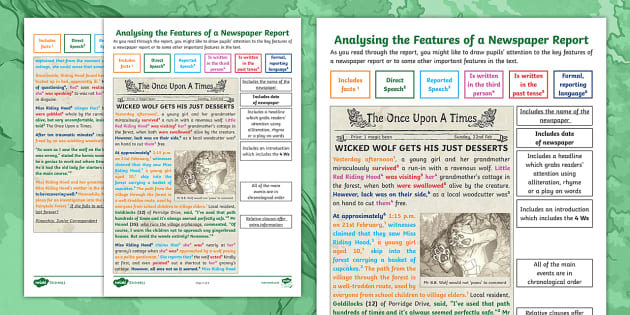
When a primary‑school pupil writes a newspaper article, the way they capture a speaker’s words can make or break the piece. That’s why many teachers focus on the KS2 master speech in newspaper reports – a skill that blends accurate quotation with clear, engaging storytelling. Below you’ll find a step‑by‑step guide, classroom activities, and handy tips for turning ordinary reporting assignments into a showcase of confident, precise speech.
Why Speech Matters in a Young Journalist’s Toolkit
At Key Stage 2, children are already comfortable with narrative writing, but direct speech introduces a new set of conventions. Quoting a person correctly shows respect for the source, adds authenticity, and teaches pupils to listen closely. Moreover, mastering speech aligns with the National Curriculum’s emphasis on punctuation, attribution, and the ability to distinguish between fact and opinion.
Core Elements of a KS2 Speech Quote
Before diving into practice, make sure students understand the building blocks:
- Quotation marks – double marks at the start and end of the spoken words.
- Attribution – a clear “said” or “explained” clause that tells the reader who is speaking.
- Correct punctuation – commas inside the quotes, capitalising the first word, and placing full stops outside the closing mark.
- Faithful paraphrasing when a speaker’s exact words are too long or contain irrelevant filler.
Lesson Blueprint: From Listening to Publishing
Here’s a compact three‑session plan that fits neatly into a week of English lessons.
Session 1 – Listening and Note‑Taking
Start with a short, recorded interview – perhaps a local council member discussing a community garden. Play it twice: once for overall meaning, then for specific phrases. Students jot down who said what, using a simple table: Speaker | Exact Words | Paraphrase.
Session 2 – Crafting the Quote
Bring the notes to the desk and ask pupils to convert their raw entries into polished newspaper quotes. Emphasise the placement of commas and the decision between “said” versus “explained,” “claimed,” or “remarked.” A quick “quote‑check” worksheet helps them spot common errors, such as missing commas before a tag.
Session 3 – Embedding Quotes in a Full Report
Now that each student has a handful of clean quotes, they write a short article (150–200 words). The goal is to weave the speech naturally into the narrative, using it to support the main points rather than letting it dominate the piece. Peer review focuses on flow, attribution clarity, and whether the article reads like a genuine newspaper report.
Common Pitfalls and How to Fix Them
Even after practice, certain mistakes keep resurfacing. Below are the most frequent, plus a quick remedy.
- Misplaced commas – Students often put a comma after the opening quote instead of before the closing tag. Tip: Remember the rule “If the speaker’s name follows the quote, the comma stays inside the quotation marks.”
- Over‑quoting – Including long, rambling speech can overwhelm a brief report. Tip: Encourage learners to select the most impactful fragment and paraphrase the rest.
- Missing attribution – A quote without a “said” line leaves readers guessing. Tip: Make attribution a checklist item before a draft is considered complete.
- Incorrect punctuation placement – Full stops belong outside the closing quotation mark in British style. Tip: Provide a visual anchor chart that students can glance at while editing.
Assessment: What Looks Like Success?
When you evaluate the final articles, use a rubric that balances technical accuracy with journalistic flair. Award points for:
- Correct use of punctuation and quotation marks.
- Clear, concise attribution.
- Effective integration of speech that advances the story.
- Overall readability and newspaper‑style tone.
Students who consistently hit these marks are well on their way to achieving the KS2 master speech standard.
Extending the Skill Beyond the Classroom
Real‑world practice reinforces learning. Invite a local newspaper editor for a short talk, or set up a “student press” corner where pupils can submit their articles for display. Even a simple classroom blog gives them a live audience and a reason to polish their speech quotes.
FAQ
How many quotations should a KS2 newspaper report contain?
There’s no hard rule, but two to three well‑chosen quotes usually provide enough voice without overcrowding a short article.
Can paraphrasing replace a direct quote?
Yes, when the original wording is too lengthy or informal. However, the paraphrase must still be attributed to the speaker and stay true to the intended meaning.
What punctuation is correct for a quote that ends a sentence?
Place the full stop after the closing quotation mark: He said, “We’ll start planting tomorrow.”
Is it okay to use “stated” or “announced” instead of “said”?
Absolutely. Varying the attribution verb adds nuance, but the verb should match the tone of the speaker’s words.