The Complete Aussie Guide to Line‑of‑Credit Loans 2024
If you’ve ever wondered whether a line of credit loan could be the right tool for smoothing out cash‑flow gaps, you’re not alone. Australians increasingly turn to this flexible financing option for everything from home renovations to managing unexpected expenses. In this guide we’ll unpack what a line of credit actually is, how it works under Australian law, and the practical steps you need to take before signing on the dotted line.
What Is a Line of Credit?
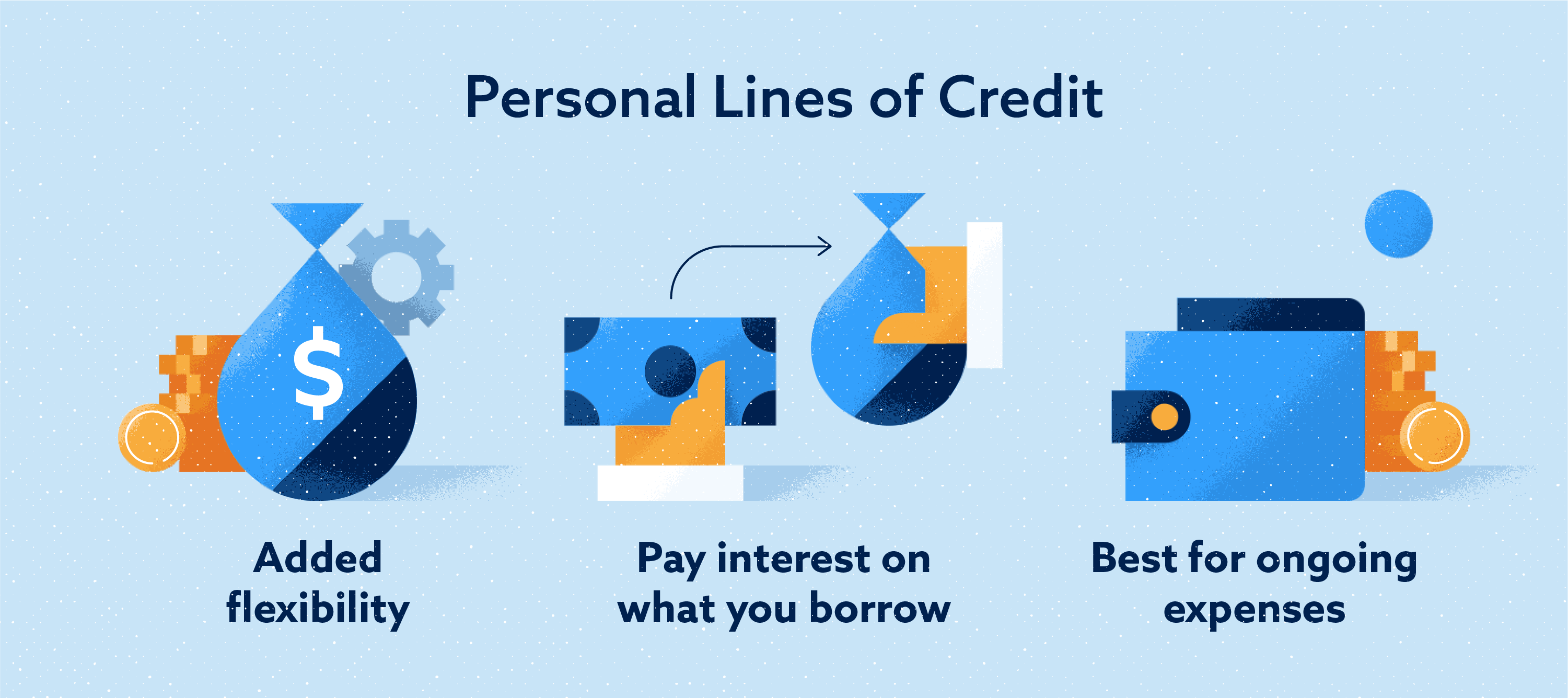
A line of credit is a pre‑approved borrowing limit that you can draw on whenever you need money, up to that ceiling. Unlike a traditional term loan, you only pay interest on the amount you actually use, not the full credit limit. Think of it as a financial safety net that you can tap into and repay repeatedly, as long as you stay within the agreed terms.
How Line‑of‑Credit Loans Work in Australia
Australian lenders—banks, credit unions, and some fintech firms—offer lines of credit in two main flavors: secured and unsecured. A secured line of credit typically requires collateral, often the equity in your home, which can lower the interest rate. Unsecured lines, on the other hand, rely solely on your creditworthiness and usually come with higher rates.
Interest is calculated daily on the outstanding balance and charged monthly. Most lenders provide an online portal where you can monitor usage, make repayments, and even adjust your limit after a review.
Key Benefits and Risks
- Flexibility: Borrow only what you need, when you need it.
- Interest Savings: Pay interest solely on the drawn amount, not the entire limit.
- Revolving Nature: Repay and re‑borrow without reapplying each time.
- Potential Cost: Variable rates can rise, increasing your repayment burden.
- Temptation to Overspend: Easy access may lead to unnecessary borrowing.
Balancing these pros and cons is essential. If you treat the line of credit like a credit‑card debt and only make minimum payments, the balance can linger longer than anticipated.
Types of Credit Lines Available
Australian borrowers typically encounter three categories:
- Home Equity Line of Credit (HELOC): Uses the equity in your primary residence as security. Rates are generally lower, and limits can be sizable.
- Personal Line of Credit: Unsecured, often capped at a few tens of thousands of dollars, suited for short‑term projects.
- Business Line of Credit: Tailored for small‑to‑medium enterprises, offering revolving funds to manage inventory or cash‑flow cycles.
Choosing the right type hinges on your purpose, credit history, and how comfortable you are with providing collateral.
Eligibility and Application Process
While exact criteria vary, most lenders look for:
- A steady income source—salary, self‑employment earnings, or rental income.
- A credit score in the “good” to “excellent” range (typically 620+ on the Australian Credit Scoring System).
- Proof of residency and, for secured lines, evidence of ownership and equity in the asset used as security.
The application usually involves a short online form, followed by documentation upload (ID, payslips, tax returns). After a credit check, the lender will present a tailored offer, outlining the limit, interest rate, and any fees such as establishment or annual charges.
Managing Your Credit Line Wisely
Even though a line of credit feels like a safety net, responsible management can prevent it from becoming a financial burden. Here are some practical tips:
- Set a Usage Target: Decide in advance how much you’ll draw for a specific purpose and stick to it.
- Automate Repayments: Schedule regular payments that exceed the minimum to chip away at the principal.
- Monitor Interest Changes: Keep an eye on the lender’s variable‑rate announcements and be ready to refinance if a better deal appears.
- Review Your Limit Annually: If your financial situation improves, you may request a higher limit at a lower rate; if not, consider reducing it to curb temptation.
Remember, the line of credit is a tool—not a permanent source of income. Treat it as a bridge, not a destination.
Common Costs to Watch Out For
Beyond interest, Australian lenders may levy a handful of fees. An establishment fee can be a flat amount or a percentage of the approved limit. Some institutions also charge a monthly or annual service fee, especially for unsecured lines. Late‑payment penalties are another reality; missing a repayment can trigger a higher interest rate on the outstanding balance.
Before signing, request a clear breakdown of all charges so you can compare offers on an apples‑to‑apples basis.
When a Line of Credit Makes Sense
Consider a line of credit if you:
- Have irregular income streams, such as freelancers or contractors.
- Plan to fund a home renovation in stages rather than a lump sum.
- Need a buffer for business cash‑flow fluctuations.
- Prefer paying interest only on money you actually use.
If you’re looking for a one‑off loan with a fixed repayment schedule, a traditional term loan might be more suitable.
FAQ
Can I use a line of credit for debt consolidation?
Yes, many Australians roll high‑interest credit‑card balances onto a lower‑rate line of credit, but it works best if you commit to paying down the balance quickly to avoid prolonged interest.
Is the interest on a line of credit tax‑deductible?
For investment‑related borrowing—such as financing rental property renovations—the interest may be claimable as a tax deduction. Personal uses, like vacation spending, generally do not qualify.
What happens if I exceed my credit limit?
Lenders typically block further draws once you hit the limit, though some may allow a short‑term overdraft with a penalty fee. Exceeding the limit without permission can damage your credit score.
How long does approval take?
For secured lines, approval can take a few weeks due to property valuation. Unsecured lines often receive a decision within a few days, especially with digital‑first lenders.