The Complete Guide to Tarantulas: Care, Species, and Myths
Whether you’re a curious backyard observer or a budding arachnid keeper, tarantulas have a way of sparking both awe and a touch of unease. These eight‑legged marvels are far more than the creepy‑crawlies of horror movies; they’re fascinating predators with surprisingly diverse habits. Below, we’ll untangle the basics, explore popular species, and set the record straight on a handful of common misconceptions.
What Exactly Is a Tarantula?
Tarantulas belong to the family Theraphosidae, a group of large, hairy spiders found on every continent except Antarctica. Their bodies are divided into two main parts—the cephalothorax (head‑plus‑thorax) and the abdomen—covered in setae that can range from soft fuzz to stiff bristles. Most species are ground‑dwelling, though some have adapted to arboreal life, perching on branches and constructing silk retreats.
Adult size varies dramatically. The tiny Haplopelma lividum may measure just a couple of centimeters, while the Goliath birdeater (Theraphosa blondi) can span more than 30 cm across its leg span, making it the world’s largest spider by mass.
Common Species and Their Traits
- Mexican Red‑Knee (Brachypelma hamorii) – Known for its striking red leg joints, this slow‑moving ground dweller is a favorite among beginners.
- Chilean Rose (Grammostola rosea) – A hardy, docile species that tolerates a range of temperatures, often recommended for first‑time owners.
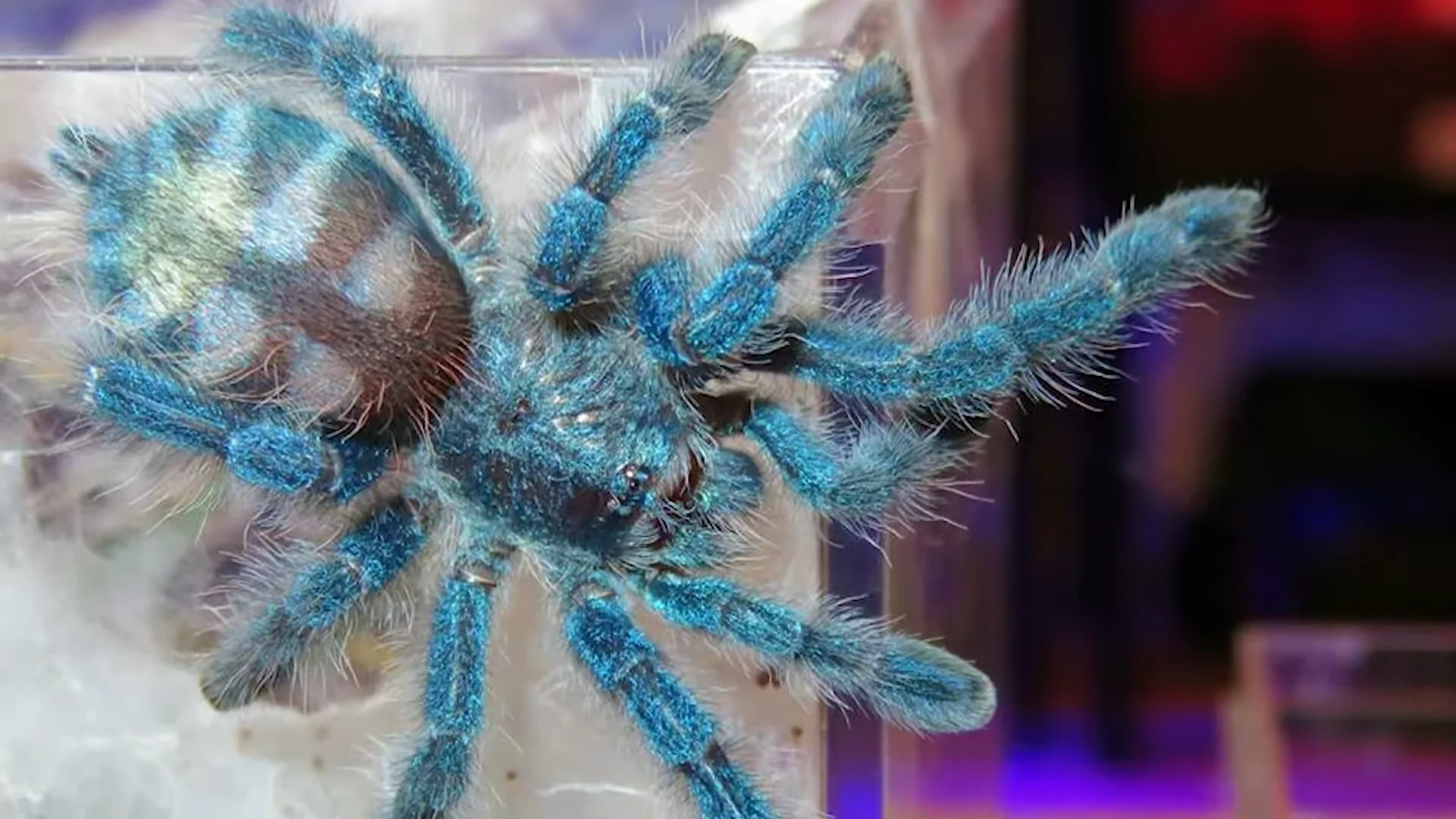
- Pink Toe (Avicularia avicularia) – An arboreal spider with a vivid pinkish tarsus; it prefers vertical space and a more humid environment.
- Goliath Birdeater (Theraphosa blondi) – The heavyweight champion of tarantulas, best kept by experienced keepers due to its size and defensive nature.
Basic Tarantula Care Tips
Setting up a proper habitat is the cornerstone of healthy tarantulas. A 5‑gallon enclosure works for most small to medium species; larger species may need a 10‑gallon tank. Use a secure lid—tarantulas can push through flimsy covers.
Substrate should retain moisture without staying soggy. A mix of coconut fiber and peat works well for arboreal types, while a simple coconut bark layer is sufficient for ground dwellers. Add a hide (half‑log, cork bark, or a small piece of PVC pipe) to give the spider a place to retreat.
Temperature ranges depend on origin. Most tropical species thrive at 75‑85 °F (24‑29 °C) with a slight night‑time dip. Desert‑adapted tarantulas prefer a drier, warmer environment, often around 80‑90 °F (27‑32 °C) during the day.
Feeding and Nutrition
In the wild, tarantulas eat a diet of insects, other spiders, and occasionally small vertebrates. In captivity, crickets, roaches, and mealworms are standard fare. Offer prey that is no larger than the spider’s body—typically about the size of its carapace.
Feed juveniles every 5‑7 days; adults can stretch meals to once a week or even less, depending on activity level. Never leave uneaten prey in the enclosure for more than a day, as it can stress the tarantula or attract mold.
Handling and Safety
Most tarantulas are not aggressive, but they can bite when threatened. Their venom is generally comparable to a wasp sting—painful but not medically dangerous for healthy adults. The real hazard lies in their urticating hairs, especially for New World species. When disturbed, they may flick these barbed hairs toward the perceived threat, which can cause eye irritation or skin rash.
If you must handle a tarantula, use gentle, steady motions. Support its body fully, avoid grabbing the legs, and always wear eye protection when working with species that possess urticating hairs.
Common Myths Debunked
Myth 1: Tarantulas are deadly to humans. Only a handful of Old World species have venom strong enough to cause serious medical issues, and bites are extremely rare.
Myth 2: All tarantulas are aggressive. Most are shy and prefer to retreat. Their defensive posture—raising the front legs—is a warning, not a guarantee of attack.
Myth 3: They need a huge terrarium. While large species like the Goliath birdeater need spacious enclosures, many popular pet species thrive comfortably in modestly sized tanks.
Frequently Asked Questions
How long do pet tarantulas typically live?
Life expectancy varies by species and sex. Female tarantulas often outlive males, sometimes reaching 20‑30 years, while males may live only 5‑10 years after reaching maturity.
Can I keep more than one tarantula together?
Generally, no. Tarantulas are solitary predators and may cannibalize each other if housed together, even if they appear similar in size.
Do tarantulas need live food?
Live prey is preferred because it stimulates natural hunting behavior. However, pre‑killed insects can be used occasionally if they’re properly gutted to prevent the spider from injuring itself.