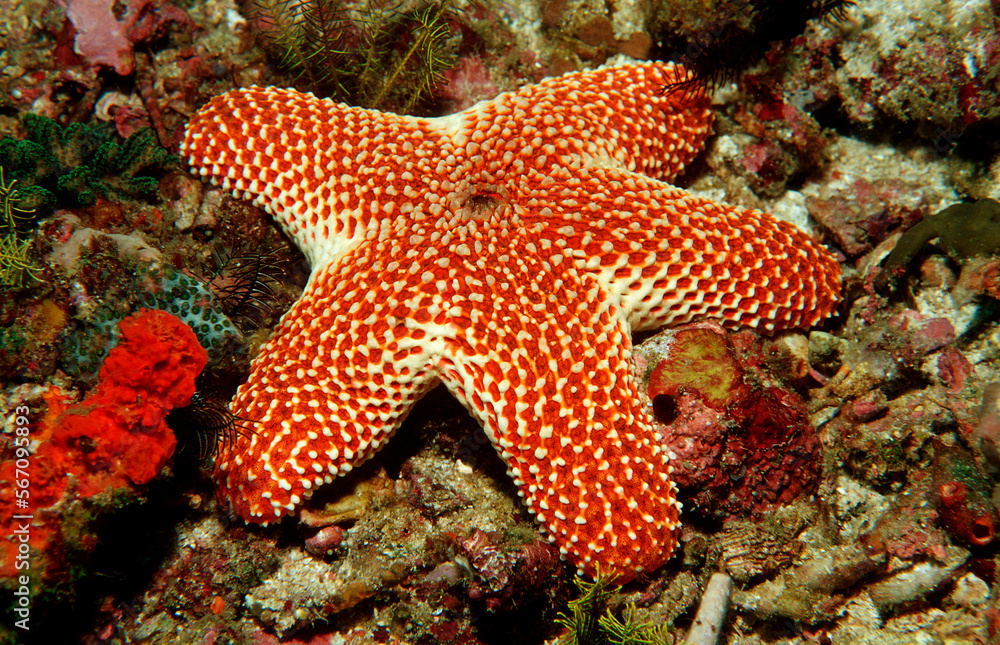
The Hidden World of Asteroidea: Starfish Secrets Revealed
When you spot a five‑armed creature clinging to a tide‑pool rock, it’s easy to think you’ve seen the whole story. In reality, the class Asteroidea—commonly called starfish—harbors a suite of tricks that most beach‑goers never notice. From astonishing regenerative feats to a surprisingly complex nervous system, these marine marvels are far more than just pretty sea décor.
What Makes Asteroidea Unique?
Asteroidea belong to the phylum Echinodermata, a group distinguished by radial symmetry and a water‑vascular system. Unlike most animals that arrange their body parts bilaterally, starfish typically exhibit fivefold symmetry, though some species sport ten or even more arms. This layout isn’t merely aesthetic; it allows them to move, feed, and sense their environment from multiple directions at once.
The water‑vascular system is a network of fluid‑filled canals ending in tiny suction tubes called tube feet. By pumping seawater through these canals, a starfish can extend or retract its tube feet with remarkable precision. The result is a gentle, almost alien locomotion that lets them glide across sand, climb rocky crevices, and even pry open the shells of bivalves.
Anatomy and Regeneration: The Starfish Superpowers
One of the most talked‑about abilities of Asteroidea starfish is regeneration. Lose an arm, and most species will grow a new one, sometimes even rebuilding an entire body from a single severed limb—provided a portion of the central disk remains attached. This process involves a cascade of cellular dedifferentiation, where mature cells revert to a more stem‑like state before differentiating again into the needed tissues.
Regeneration isn’t just a backup plan; it’s a core part of their survival strategy. In predator‑rich reefs, shedding an arm can distract a hungry fish while the starfish makes a hasty retreat. Over time, the lost limb regenerates, often faster than the original growth rate, allowing the animal to maintain its feeding efficiency.
Beyond limbs, the starfish’s nervous system, though simple compared to vertebrates, is surprisingly adaptable. Their nerve ring circles the central disk, linking the radial nerves that extend into each arm. This configuration lets them coordinate movements across all arms simultaneously—a feat that’s still inspiring robotics researchers seeking decentralized control mechanisms.
Ecology and Role in Marine Ecosystems
Starfish are keystone predators in many coastal habitats. By preying on mussels, oysters, and other sessile invertebrates, they help prevent any single species from monopolizing space. This “top‑down” control promotes biodiversity, creating a more resilient reef structure.
Some species, like the crown‑of‑thorns starfish (Acanthaster planci), can become a double‑edged sword. In balanced numbers, they prune coral growth, fostering new coral larvae. When their populations explode—often due to nutrient runoff or loss of natural predators—they can decimate entire coral reefs, illustrating how delicate these ecological relationships can be.
Starfish also serve as prey for a variety of marine animals, including fish, sea otters, and even other echinoderms. Their tough, calcified skin and ability to autotomize (self‑amputate) arms make them a challenging but rewarding meal for predators that have evolved specialized feeding techniques.
Beyond Starfish: Relatives in the Echinoderm Family
Asteroidea are just one branch on the echinoderm tree. Their cousins include sea urchins, sea cucumbers, brittle stars, and crinoids. While each group shares the hallmark water‑vascular system, their lifestyles diverge dramatically.
Sea urchins, for instance, have spines that protect them and a mouth located on the underside, allowing them to graze algae. Sea cucumbers, on the other hand, are detritivores that process sediment, recycling nutrients back into the ecosystem. Brittle stars (class Ophiuroidea) are faster movers, using their long, flexible arms to capture plankton.
Studying these relatives helps scientists piece together the evolutionary puzzle of how radial symmetry and the water‑vascular system arose. Comparative genetics suggests that a common ancestor of all echinoderms possessed a simple set of developmental genes, which later diversified to produce the array of forms we see today.
How Humans Benefit from Starfish Research
Beyond their ecological importance, starfish are inspiring innovations in medicine and engineering. The proteins involved in their regeneration are being examined for clues about human tissue repair and scar reduction. Meanwhile, the suction mechanics of tube feet are informing the design of soft robotic grippers that can handle delicate objects without damage.
In coastal tourism, healthy starfish populations are a draw for snorkelers and divers, contributing to local economies. Conversely, sudden declines—often linked to pollution or climate‑induced ocean acidification—serve as early warning signs of broader environmental stress.
Frequently Asked Questions
- Do all starfish have five arms? Most do, but species exist with anywhere from four to over thirty arms, especially in deep‑sea environments.
- Can a starfish survive without a central disk? Generally no; the central disk houses the mouth and nerve ring. However, some species can regenerate a new disk if enough of the original tissue remains.
- Are starfish related to insects? No. Their nearest relatives are other echinoderms like sea urchins. Insects belong to the arthropod phylum, a completely separate evolutionary line.