UBS‑Credit Suisse Merger: Why It Happened and What It Means
The UBS‑Credit Suisse merger marked one of the biggest reshuffles in global banking since the 2008 crisis. Within weeks of Credit Suisse’s liquidity nightmare, Swiss authorities and UBS negotiated a takeover that aimed to shore up the nation’s financial stability and create a more resilient institution. By the end of 2023, the deal was complete, and the combined bank now commands a significant share of the Swiss and global markets. This article unpacks the forces that drove the merger, the steps taken to close it, and the implications for investors, clients, and the financial sector.
How the Deal Came About
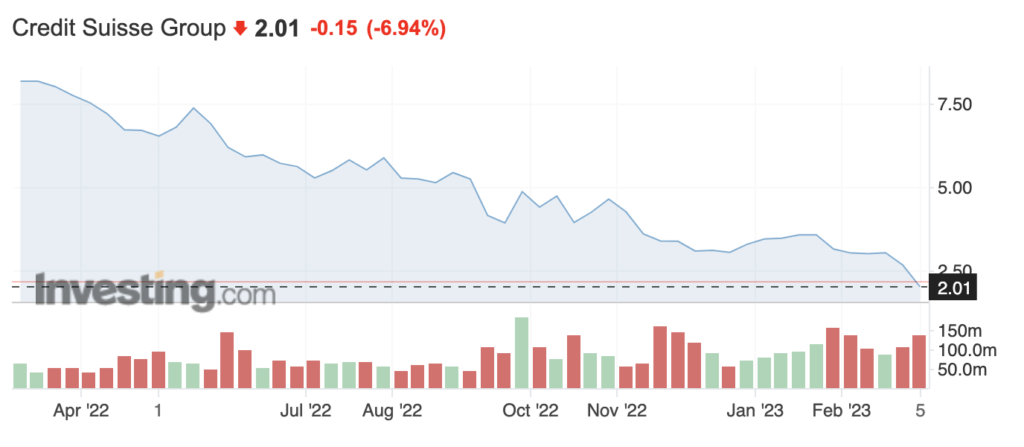
Credit Suisse had been battling a cascade of scandals and a deteriorating balance sheet for years. A series of high‑profile losses, governance failures, and a shrinking deposit base eroded confidence. In March 2023, Swiss regulators announced that UBS would acquire Credit Suisse for roughly $3.8 billion in cash and shares, a move that required a swift and coordinated regulatory review. The Swiss National Bank, the Federal Council, and the Swiss Financial Market Supervisory Authority (FINMA) all signed off on the transaction, citing the need to protect the banking system and prevent a domino effect that could spill into the global economy.
Key Milestones in the Merger Timeline
- March 2023: UBS and Credit Suisse formally agree on the acquisition terms, setting a target completion date of 30 days.
- April 2023: Preliminary regulatory approvals granted by Swiss authorities; the deal moves to full scrutiny.
- June 2023: Full regulatory clearance achieved after detailed assessment of risk concentration and systemic impact.
- July 2023: Finalization of the transaction and official announcement of the merged entity’s brand strategy.
- August 2023: Integration of core systems and client portfolios begins; workforce consolidation plans released.
Strategic Rationale Behind the Union
While the immediate catalyst was Credit Suisse’s collapse, UBS saw a longer‑term strategic opportunity. By absorbing Credit Suisse’s wealth‑management and investment‑banking arms, UBS would significantly broaden its client base and diversify revenue streams. The merger also promised cost synergies—estimated at $1–$1.5 billion annually—through shared technology platforms, back‑office consolidation, and streamlined risk management. Additionally, the combined bank would be better positioned to compete with U.S. giants like JPMorgan and Goldman Sachs in key product lines.
Regulatory Hurdles and Global Oversight
Because the merger involved a “too‑big‑to‑fail” institution, regulators imposed strict conditions. Swiss regulators required UBS to demonstrate robust capital buffers, maintain a minimum Tier 1 ratio of 12 %, and establish a dedicated oversight committee for Credit Suisse assets. The European Central Bank and the Federal Reserve also reviewed the deal to ensure it did not pose systemic risks to their jurisdictions. The approval process was transparent, with public hearings and detailed disclosure of financial projections, which helped maintain market confidence.
Financial Impact for Shareholders
UBS offered Credit Suisse shareholders a premium of about 13 % over the pre‑deal stock price, translating to a $3.8 billion purchase. In exchange, Credit Suisse shareholders received UBS shares that represented a 2.8:1 ratio, diluting existing UBS equity but providing upside through the combined entity’s growth prospects. The market reaction was mixed: UBS stock dipped 2 % on the announcement day but rebounded over the following weeks as analysts adjusted their earnings forecasts to include projected synergies. Credit Suisse shares were delisted, and former shareholders received a single payment from UBS.
Integration Challenges: Systems, Culture, People
Combining two banking giants is never a painless exercise. The primary technical hurdle was merging disparate core banking platforms—UBS’s MBS and Credit Suisse’s BFT systems—into a single, unified infrastructure. The integration team projected a 12‑month timeline to fully converge these platforms, with interim solutions to minimize service disruptions. Culturally, the merger had to reconcile UBS’s risk‑averse, conservative ethos with Credit Suisse’s historically more aggressive risk appetite. Management teams introduced joint governance structures and cross‑functional workshops to foster alignment. Workforce reductions were announced early, targeting a 12 % cut in back‑office staff, but with a focus on redeploying talent into growth areas such as fintech and sustainable finance.
Potential Risks and Uncertainties
Despite the strategic gains, several risks persist. First, legacy exposure to Credit Suisse’s troubled loan book could surface in unforeseen ways, especially if new regulatory standards tighten. Second, client retention remains a concern: some high‑net‑worth individuals left Credit Suisse’s wealth‑management division in the first two months after the merger announcement. Third, the global economic slowdown could dampen investment‑banking revenue, countering anticipated synergies. Finally, the combined entity will continue to operate under heightened scrutiny, meaning any misstep could trigger swift regulatory intervention.