Understanding Safety Features on Striker‑Fired Pistols
When you pick up a modern handgun, the first question that pops into most shooters’ heads is whether the gun will “catch” if you accidentally pull the trigger. That curiosity is especially common with striker‑fired pistols, which have become the workhorse of law‑enforcement agencies, concealed‑carry enthusiasts, and sport shooters alike. So, do striker‑fired pistols have safeties? The short answer is yes—but the answer is layered, involving several mechanisms that work together to keep the trigger from releasing the striker unless you truly intend to fire.
How Striker‑Fired Systems Differ From Hammer‑Based Designs
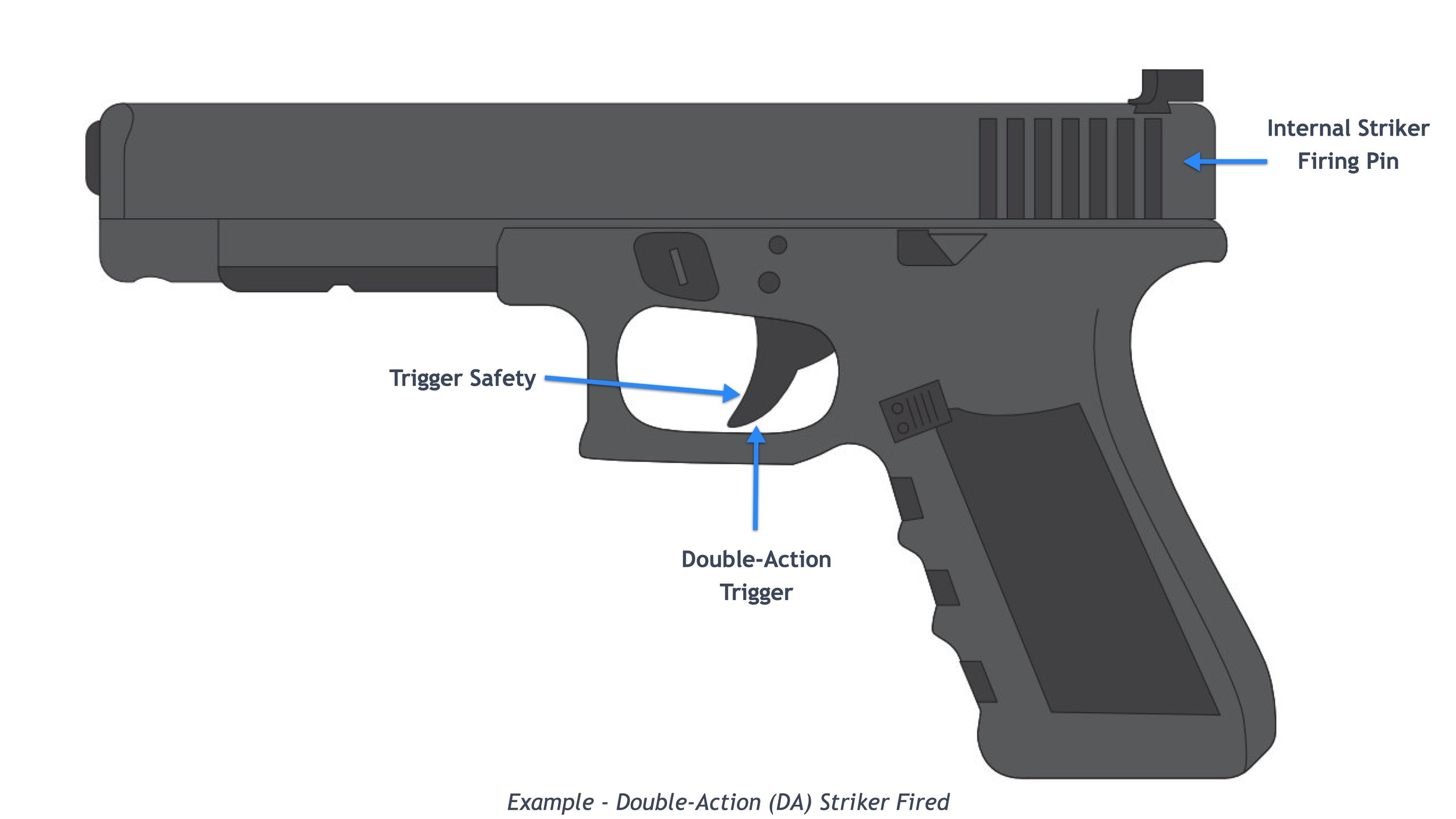
Traditional double‑action/single‑action (DA/SA) pistols rely on a hammer that can be manually cocked or released by the trigger. In contrast, striker‑fired pistols use a spring‑driven striker that sits directly on the firing pin. When you pull the trigger, the striker is released forward, striking the primer and igniting the round.
This design eliminates the external hammer and, for many shooters, simplifies the manual of arms. However, the absence of a visible hammer also means the safety must be built into other parts of the trigger mechanism, rather than a simple “safety lever” that blocks the hammer’s motion.
Do Striker‑Fired Pistols Have Built‑In Safeties?
Virtually every striker‑fired pistol on the market incorporates at least two safety features, though manufacturers may label them differently. The most common are a trigger safety and a firing‑pin block.
- Trigger safety: A small, hinged tab on the face of the trigger that must be depressed for the trigger to move rearward. If a finger merely brushes the trigger or the gun is dropped, the tab remains upright, preventing the trigger from traveling enough to release the striker.
- Firing‑pin block (or drop safety): A spring‑loaded plunger that physically obstructs the striker’s forward travel unless the trigger is pulled fully. This means a sudden impact—like a fall onto a hard surface—won’t force the striker forward enough to strike the primer.
Some models also add a passive internal disconnect that prevents the trigger from resetting unless the slide is fully forward, further reducing the chance of an accidental discharge.
Manual Safeties: The Optional Extra
While the internal safeties are standard, a few manufacturers have opted to include a manual safety lever as an additional layer of protection. Glock, for example, famously omitted a manual safety on its flagship models, relying entirely on the trigger safety and firing‑pin block. On the other hand, the Sig P320 and the Walther PDP both feature a small lever that can be engaged to block the trigger’s travel entirely.
These manual safeties are often marketed toward users who prefer a “positive” safety they can feel and verify with a thumb press. However, critics argue that adding a manual safety to a striker‑fired design can complicate training, especially for those accustomed to the “safe‑to‑carry, ready‑to‑fire” nature of many popular models.
Passive vs. Active Safeties: What Matters Most?
Passive safeties (trigger safety, firing‑pin block) work automatically; you never have to remember to engage them. Active safeties (manual levers) require a conscious action. For most everyday carriers, the passive approach offers a good balance of speed and security—pull the trigger, and the gun is ready; drop it, and the safeties engage on their own.
That said, personal preference, training philosophy, and local regulations can dictate which safety style feels right. If you train regularly with a manual safety and find it adds confidence, there’s no reason not to choose a striker‑fired pistol that offers that option.
Common Misconceptions About Striker‑Fired Safeties
One persistent myth is that striker‑fired pistols are “unsafe” because they lack an external safety lever. In reality, the combination of trigger safety, firing‑pin block, and a well‑designed trigger pull makes accidental discharge unlikely when the gun is handled correctly. Another misunderstanding is that the trigger safety alone is enough. While it does a lot of the heavy lifting, the firing‑pin block provides essential protection against impact‑induced discharge—a scenario the trigger safety alone can’t fully mitigate.
Finally, some shooters assume that a lighter trigger pull automatically means fewer safeties. The truth is that trigger weight is largely a function of the striker spring’s tension and the design of the trigger bar. Manufacturers can tune the pull weight while retaining all the same safety mechanisms.
Choosing the Right Striker‑Fired Pistol for Your Needs
When evaluating a striker‑fired handgun, consider these questions:
- Do you prefer a manual safety for added peace of mind, or are you comfortable relying on passive safeties alone?
- How does the trigger feel during a dry‑fire practice session? A smooth, consistent pull often indicates a well‑engineered safety system.
- What is your training regimen? If you practice regularly with a safety engaged, a model with a manual lever might integrate more seamlessly.
Brands like Glock, Smith & Wesson M&P, Sig P320, and Walther PDP each offer a slightly different safety philosophy, so it pays to handle a few before deciding. Remember, the best safety is the one you’ll consistently use—whether that’s a thumb‑pressed manual lever or the internal mechanisms that work silently in the background.
Maintenance Tips to Keep Safeties Functioning Properly
Safeties are mechanical parts, and like any other component, they need regular inspection. After each shooting session, wipe down the slide and check the trigger safety for debris that could jam the tab. Periodically field‑strip the firearm according to the manufacturer’s guide and verify that the firing‑pin block moves freely.
If you notice any hesitation in the trigger pull, excessive play, or a “soft” reset, it could indicate a worn safety part. In that case, a qualified gunsmith should inspect the pistol before further use.
Frequently Asked Questions
Do all striker‑fired pistols include a firing‑pin block?
Nearly all modern striker‑fired designs incorporate a firing‑pin block or equivalent drop safety, but a few older or budget models may rely solely on a trigger safety. Always check the specifications before purchase.
Can a striker‑fired pistol fire if dropped from a height?
Thanks to the firing‑pin block, the striker is prevented from moving forward unless the trigger is intentionally pulled. In normal circumstances, a dropped pistol will not discharge.
Is a manual safety necessary for concealed carry?
Not strictly. Many concealed‑carry experts favor pistols with only passive safeties because they allow a quicker, more instinctive draw. However, personal comfort and local laws may make a manual safety a wise addition.
How does a trigger safety differ from a traditional grip safety?
A trigger safety is a small tab on the trigger itself, while a grip safety is a lever on the backstrap that must be depressed by the shooter’s hand. Striker‑fired pistols typically use the former; grip safeties are more common on some 1911‑style firearms.





.jpg)


