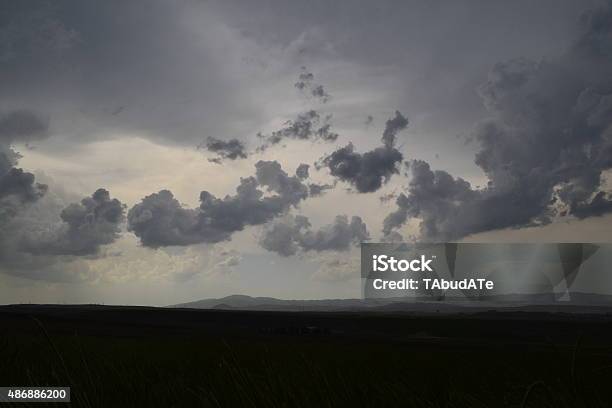
Understanding the Black Sky Phenomenon: Causes and Effects
When daylight vanishes and the heavens adopt an ominous, charcoal hue, people often pause to wonder what’s happening above. This sudden dimming—commonly referred to as the Black Sky Phenomenon—can be unsettling, especially for those unaccustomed to such dramatic shifts. While the sight is striking, the reasons behind it are rooted in atmospheric science, and the repercussions can range from minor inconveniences to serious health concerns. Below we unpack why the sky darkens and what you might experience as a result.
What Is the Black Sky Phenomenon?
The term describes a rapid transition from a clear, bright sky to one that appears almost night‑time, even during daylight hours. It is not a single event but a collection of circumstances that block or scatter sunlight to such an extent that visibility drops dramatically. The phenomenon is most noticeable in regions where the atmosphere is already saturated with particles, making any additional obstruction stand out starkly.
Key visual cues
- Loss of color in the horizon, leaving only muted grays.
- A sudden drop in temperature, often felt as a cool breeze.
- An eerie quiet as wind patterns change.
Common Causes of a Black Sky
Several natural and human‑made factors can trigger the darkness. Understanding each helps gauge how likely you are to encounter it in your area.
- Volcanic ash clouds: Major eruptions loft ash thousands of meters high, creating a dense veil that blocks sunlight for weeks or even months.
- Severe wildfire smoke: Large, uncontrolled fires release thick plumes of particulate matter that can travel hundreds of miles, darkening skies far from the source.
- Dust storms and sandstorms: In arid regions, strong winds lift fine sand and dust into the upper atmosphere, forming a moving curtain of opacity.
- Industrial pollution: Persistent smog, especially in megacities, can accumulate to a point where the sky appears permanently muted, intensifying during temperature inversions.
- Solar eclipses: Though predictable, a total eclipse briefly turns day into night, producing the classic black‑sky effect for a few minutes.
Each cause shares a common thread: a substantial increase in particles that either absorb or scatter sunlight before it reaches the ground.
Immediate Effects You Might Notice
When the sky darkens, your senses pick up subtle, then more pronounced changes. The most obvious is reduced visibility, which can make driving or navigating unfamiliar terrain hazardous. Light‑dependent insects, such as fireflies, may become unusually active, while birds often settle quickly, sensing the altered light conditions.
Physiologically, many people report a mild headache or eye strain, especially if they’re trying to read or work without supplemental lighting. The drop in temperature can also cause a quick chill, prompting the body to shiver as it tries to conserve heat.
Long‑Term Environmental Impacts
While a single darkening event might be fleeting, repeated occurrences can have lasting consequences. Prolonged exposure to smoke or ash, for example, degrades air quality, leading to higher rates of respiratory issues such as asthma exacerbations. In agricultural zones, reduced sunlight can stunt plant growth, lowering crop yields and affecting food supply chains.
On a broader scale, persistent black skies—often a sign of chronic air pollution—contribute to climate change by altering the Earth’s albedo, the amount of solar energy reflected back into space. Darker skies absorb more heat, subtly shifting local temperature patterns over time.
How to Stay Safe When the Sky Turns Dark
Preparation is key. Keep a basic emergency kit in your vehicle or home, including a flashlight with fresh batteries, a portable charger, and a mask to filter particulate matter. If you’re outdoors, seek shelter quickly and avoid areas prone to falling debris, such as near cliffs during dust storms.
For drivers, turn on low‑beam headlights even if streetlights are still on; the darker background can make other vehicles harder to see. Reduce speed, increase following distance, and be especially cautious at intersections where traffic signals may be harder to discern.
Those with respiratory conditions should carry inhalers or prescribed medication and consider staying indoors with windows closed until air quality reports improve. Monitoring local weather and air quality apps can provide early warnings, giving you time to act before darkness fully settles.
Frequently Asked Questions
Why does a black sky sometimes appear during a wildfire far away?
Smoke particles can travel great distances on high‑altitude winds. When enough of these particles converge over an area, they scatter sunlight enough to produce a noticeably darker sky, even if the fire itself is hundreds of miles away.
Can a black sky affect satellite communications?
Yes. Dense ash or smoke layers can interfere with certain radio frequencies, causing temporary signal degradation for GPS, satellite phones, and some broadcast services.
Is it safe to exercise outdoors during a black‑sky event?
Generally, it’s best to limit strenuous activity until air quality improves. Inhaling polluted air while exerting yourself can exacerbate breathing difficulties and reduce oxygen uptake.