Understanding TNF‑Alpha: How It Shapes Immunity
When you hear the term “TNF‑alpha,” it often appears alongside headlines about arthritis, Crohn’s disease, or cutting‑edge biologic drugs. In reality, TNF‑alpha (tumor necrosis factor‑alpha) is a normal, essential protein that the body uses to coordinate a surprisingly broad set of processes—from rallying immune cells to prompting fever when you’re sick. Grasping TNF‑alpha’s role in the body helps demystify why doctors sometimes aim to block it, and why the same molecule can be a lifesaver in other contexts.
What Is TNF‑Alpha and Where Does It Come From?
TNF‑alpha belongs to the cytokine family, a group of signaling molecules that act like text messages between cells. It is primarily produced by activated macrophages, but T cells, natural killer cells, and even fibroblasts can secrete it when they sense danger. The “alpha” suffix distinguishes it from other tumor necrosis factors that share a similar structure but differ in function.
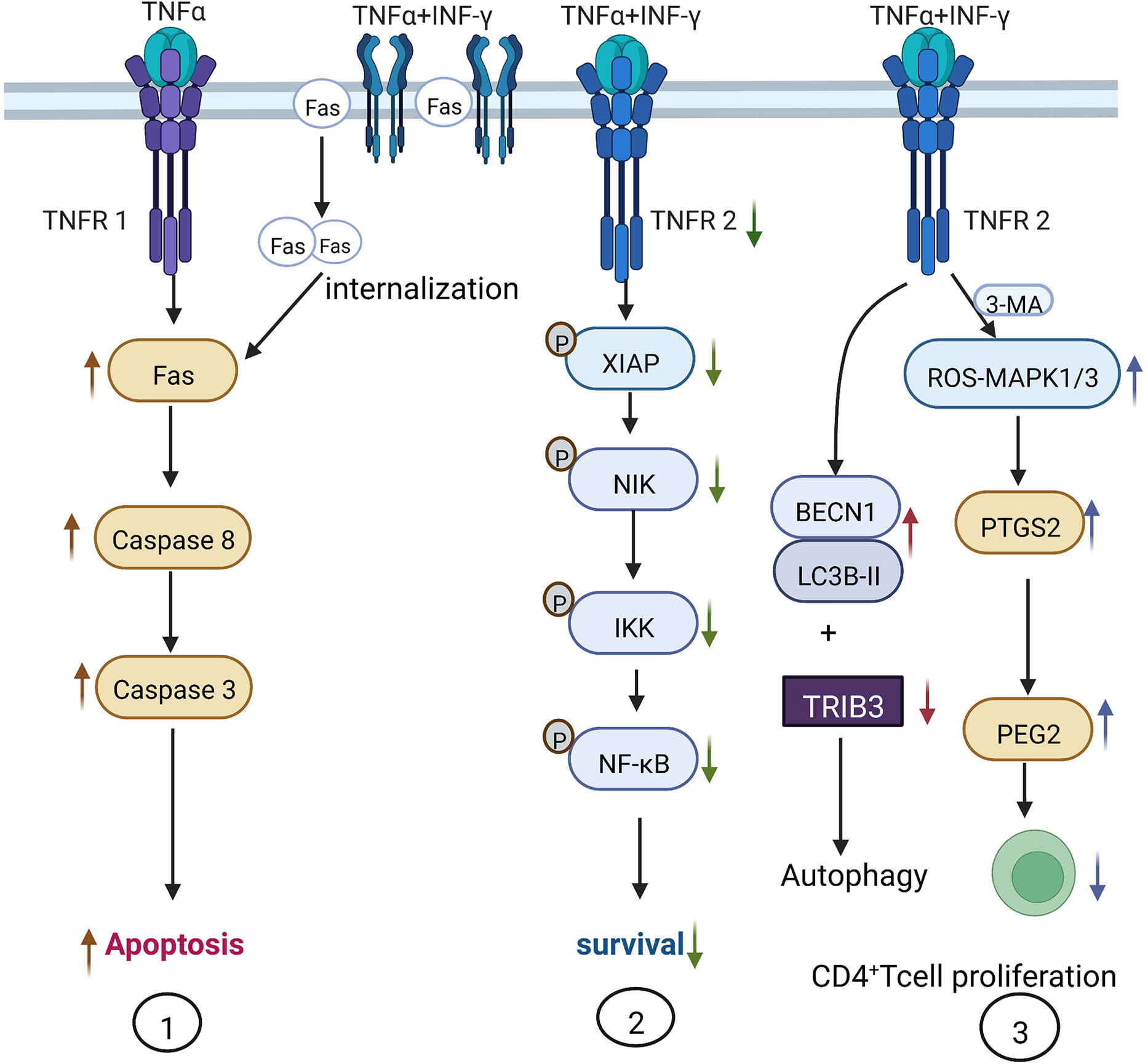
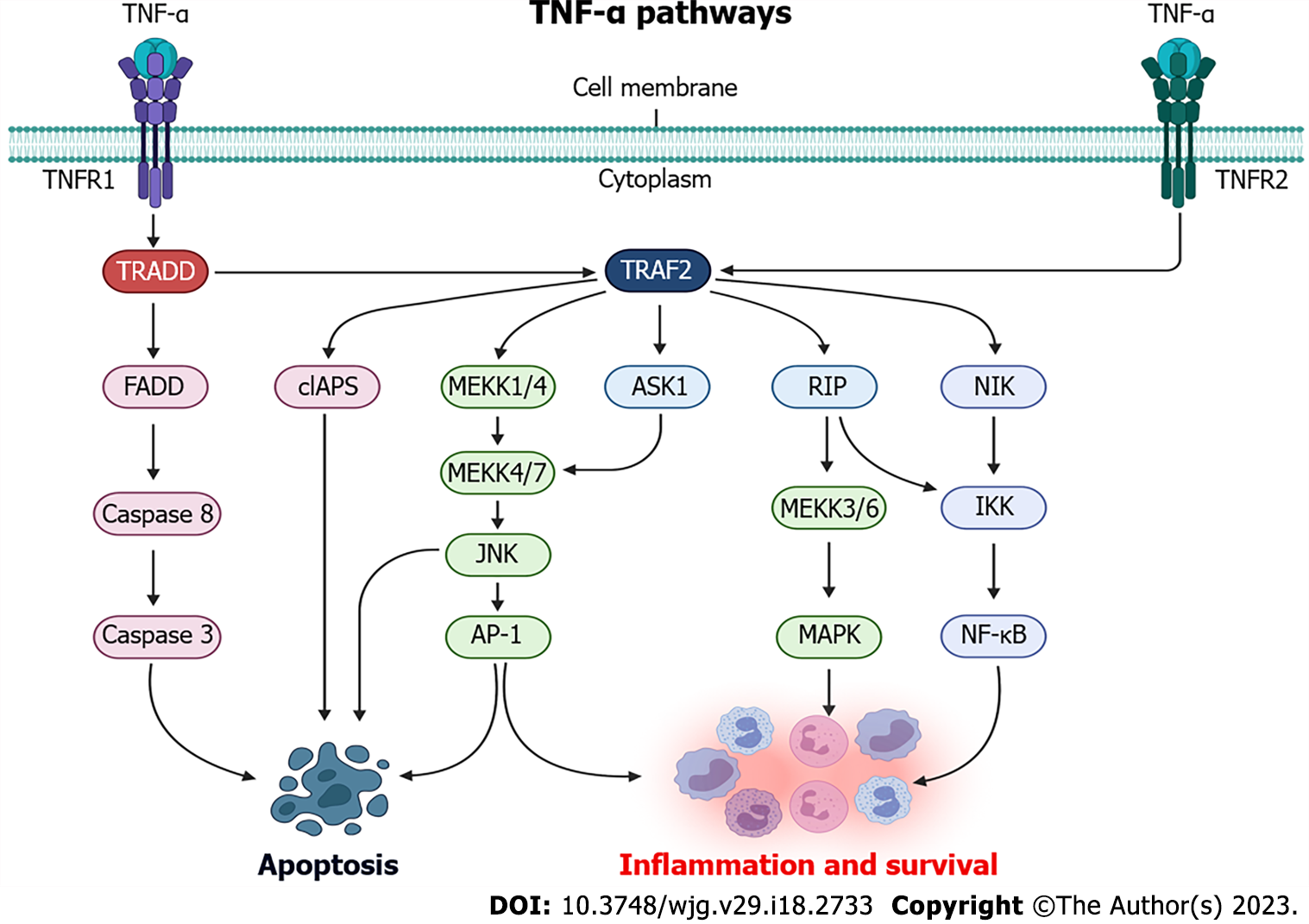
Once released, TNF‑alpha travels short distances, binding to two main receptors on nearby cells: TNFR1 and TNFR2. These receptors trigger downstream pathways that can either promote survival and repair or initiate programmed cell death, depending on the cellular context and the strength of the signal.
How TNF‑Alpha Drives Inflammation
Inflammation is the body’s rapid response to injury or infection, and TNF‑alpha is one of its chief architects. By binding to TNFR1, the cytokine activates NF‑κB, a transcription factor that turns on genes for other pro‑inflammatory mediators like interleukin‑1, interleukin‑6, and various chemokines. The result is a cascade that increases blood flow, expands vascular permeability, and recruits immune cells to the affected site.
That same cascade also explains classic symptoms such as redness, swelling, heat, and pain. In acute infections, the short‑lived surge of TNF‑alpha is beneficial, helping to contain pathogens and alert the rest of the immune system. Problems arise when the signal lingers too long or spikes too high, turning a helpful blaze into a damaging inferno.
TNF‑Alpha in Immune Defense
Beyond inflammation, TNF‑alpha plays a pivotal role in shaping the adaptive immune response. It enhances the maturation of dendritic cells, which present antigens to T cells, effectively “teaching” the immune system what to target. It also boosts the cytotoxic activity of natural killer cells, aiding the clearance of virus‑infected or tumor cells.
In some infections—such as tuberculosis—TNF‑alpha is essential for forming granulomas, organized structures that wall off the bacteria and prevent its spread. Without adequate TNF‑alpha signaling, these granulomas may break down, allowing the disease to become active and more severe.
When TNF‑Alpha Becomes a Problem
Chronic overproduction of TNF‑alpha is linked to several autoimmune and inflammatory disorders. In rheumatoid arthritis, excess TNF‑alpha fuels joint erosion by stimulating osteoclasts, the cells that break down bone. In inflammatory bowel disease, the cytokine contributes to the ulceration of intestinal lining, leading to pain and malabsorption.
High circulating levels have also been observed in conditions like psoriasis, ankylosing spondylitis, and even severe COVID‑19, where a “cytokine storm” can cause multi‑organ damage. In these scenarios, the body’s attempt to defend itself paradoxically fuels the disease’s progression.
Therapeutic Approaches Targeting TNF‑Alpha
Because of its central role, TNF‑alpha is a prime target for biologic therapies. The most common agents are monoclonal antibodies or soluble receptor constructs that bind the cytokine, preventing it from engaging its receptors.
- Infliximab – a chimeric antibody administered intravenously for Crohn’s disease and rheumatoid arthritis.
- Adalimumab – a fully human antibody given subcutaneously, used for psoriasis, ankylosing spondylitis, and ulcerative colitis.
- Etanercept – a fusion protein that mimics the TNFR2 receptor, often prescribed for rheumatoid arthritis and juvenile idiopathic arthritis.
These drugs have transformed the outlook for many patients, reducing symptom severity and slowing disease progression. However, dampening TNF‑alpha also compromises its protective functions, so clinicians monitor for infections, especially reactivation of latent tuberculosis, before initiating therapy.
Balancing Act: Lifestyle Factors That Influence TNF‑Alpha
Diet, exercise, and stress management can modestly sway TNF‑alpha levels. Diets rich in omega‑3 fatty acids—found in fatty fish, flaxseeds, and walnuts—have been shown to lower circulating TNF‑alpha in some studies. Regular aerobic activity may also reduce baseline inflammation, whereas chronic stress tends to raise cytokine production, including TNF‑alpha.
While lifestyle tweaks aren’t a substitute for medical treatment in chronic disease, they can complement therapy and perhaps lessen the need for high‑dose biologics over time.
Frequently Asked Questions
What symptoms might indicate elevated TNF‑alpha?
Often the clue is persistent inflammation: joint pain, unexplained fevers, or chronic digestive upset. Blood tests can measure TNF‑alpha levels, but doctors usually rely on clinical patterns and imaging rather than a single lab value.
Can I take over‑the‑counter anti‑inflammatories instead of TNF‑alpha blockers?
NSAIDs can relieve pain and reduce some inflammation, but they don’t specifically target the TNF‑alpha pathway. For diseases driven by excess TNF‑alpha, biologics generally offer more durable control.
Are there risks associated with blocking TNF‑alpha?
Yes. Suppressing this cytokine can increase susceptibility to bacterial infections, particularly tuberculosis and certain fungal infections. Screening before treatment and vigilant monitoring afterward are standard practice.
Is there a natural way to lower TNF‑alpha?
Evidence suggests that a Mediterranean‑style diet, regular moderate exercise, adequate sleep, and stress‑reduction techniques (like mindfulness) can modestly reduce systemic inflammation, including TNF‑alpha production.