Understanding What High Hemoglobin Levels Mean for Your Health
When a routine blood test shows a high hemoglobin result, it can spark a cascade of questions. Is it a harmless quirk, or a sign that something deeper needs attention? The answer isn’t always black and white, but by unpacking the common causes, the medical implications, and the steps you can take, the picture becomes clearer.
What Drives Hemoglobin Levels Up?
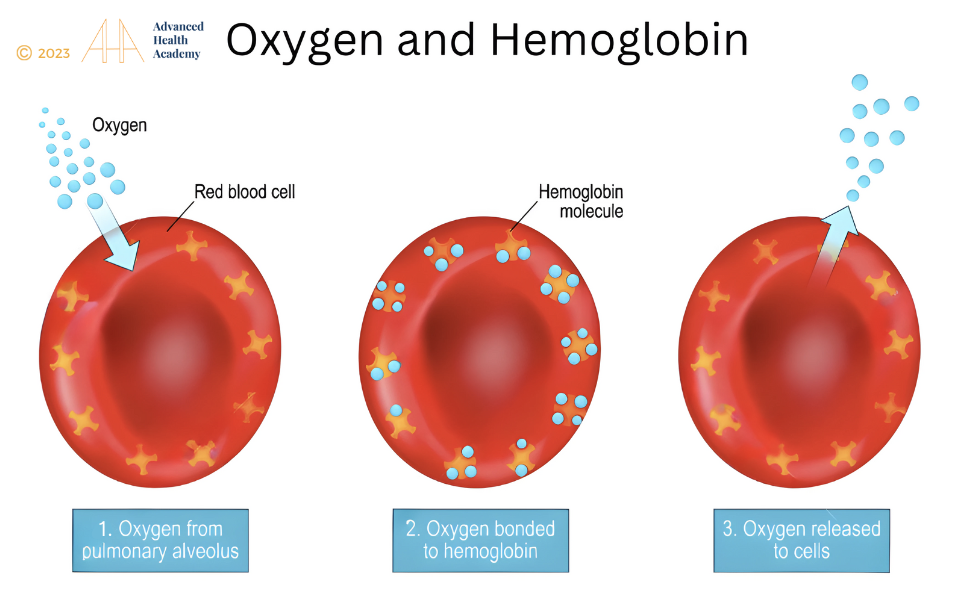
Hemoglobin, the iron‑rich protein that ferries oxygen inside red blood cells, normally hovers within a narrow range. Several factors can push it above that sweet spot:
- Living at altitude – The thinner air forces the body to produce more red blood cells to capture enough oxygen.
- Intense endurance training – Marathoners and cyclists often see a modest rise as their bodies adapt to sustained aerobic demand.
- Smoking – Carbon monoxide in cigarette smoke binds to hemoglobin, prompting the body to compensate by making more.
- Dehydration – When plasma volume drops, the concentration of hemoglobin per unit of blood climbs, even though the total amount of red cells hasn’t changed.
- Medical conditions – Polycythemia vera, a bone‑marrow disorder, and certain heart or lung diseases can trigger chronic overproduction.
Most of these triggers are reversible or manageable, but distinguishing a benign spike from a red‑flag condition is crucial.
When a High Reading Signals Trouble
A modest elevation—just a gram or two above the upper reference limit—often raises no alarm. However, sustained levels well beyond the norm may hint at underlying health issues. Here are the scenarios where doctors typically start to worry:
- Polycythemia vera: This rare blood cancer leads to uncontrolled red‑cell production, increasing the risk of blood clots, strokes, and heart attacks.
- Chronic hypoxia: Long‑standing lung disease (like COPD) or congenital heart defects can keep oxygen levels low, forcing the body into a perpetual over‑production mode.
- Kidney tumors or cysts: Certain renal abnormalities release excess erythropoietin, the hormone that tells bone marrow to crank out more red blood cells.
In these cases, the elevated hemoglobin isn’t just a number—it’s a symptom that may require targeted treatment.
How Doctors Evaluate a High Hemoglobin Result
Seeing a high reading on its own doesn’t tell the whole story. Physicians typically follow a stepwise approach:
- Confirm the value: Repeat the test after hydration or a short rest to rule out temporary spikes.
- Look at related labs: Hematocrit, red‑cell count, and erythropoietin levels help differentiate dehydration from true overproduction.
- Assess risk factors: Lifestyle (smoking, altitude living), recent training, and medical history shape the diagnostic path.
- Consider imaging: If a tumor or kidney abnormality is suspected, ultrasound or CT scans may be ordered.
By piecing together these clues, doctors can decide whether watchful waiting or more aggressive intervention is appropriate.
Practical Steps to Manage Elevated Hemoglobin
Even if the cause is benign, taking proactive measures can keep the number—and any associated risks—in check.
- Stay hydrated: Adequate fluid intake dilutes plasma and can bring hemoglobin concentration back to baseline.
- Quit smoking: Removing carbon monoxide from the bloodstream often normalizes red‑cell production within weeks.
- Adjust altitude exposure: If you live at high elevation for work or sport, consider periodic trips to lower altitudes to give your body a break.
- Moderate intense training: Balance high‑intensity sessions with recovery days to avoid chronic overproduction.
When a medical condition underlies the rise, specific therapies—phlebotomy for polycythemia vera, oxygen supplementation for lung disease, or surgery for kidney tumors—target the root cause.
When to Seek Medical Attention
If you notice any of the following alongside a high hemoglobin reading, schedule an appointment promptly:
- Unexplained headaches or dizziness
- Blurred vision or ringing in the ears
- Chest pain or shortness of breath at rest
- Sudden swelling in the legs or abdomen
These symptoms can signal that the thickened blood is straining the cardiovascular system, and early intervention may prevent serious complications.
Frequently Asked Questions
Is a high hemoglobin level always dangerous?
Not necessarily. Small, temporary elevations—often due to dehydration or recent intense exercise—usually pose little risk. Persistent, markedly high levels, however, can increase the chance of clot formation and warrant further evaluation.
Can diet influence hemoglobin concentrations?
Diet plays a supporting role. Iron‑rich foods boost hemoglobin production, but most dietary changes affect the long‑term baseline rather than cause sudden spikes. Excessive iron supplementation without medical guidance could push levels higher, so it’s best to follow a doctor’s advice.
How often should I have my hemoglobin checked?
Routine checks are part of an annual physical for most adults. If you have risk factors—such as living at high altitude, chronic lung disease, or a family history of blood disorders—your physician may recommend more frequent monitoring.
What treatment options exist for polycythemia vera?
Management typically includes regular phlebotomy to reduce blood volume, low‑dose aspirin to thin the blood, and medications that lower red‑cell production. The exact regimen depends on disease severity and individual health status.