What the Word “Koran” Means in English: A Simple Guide
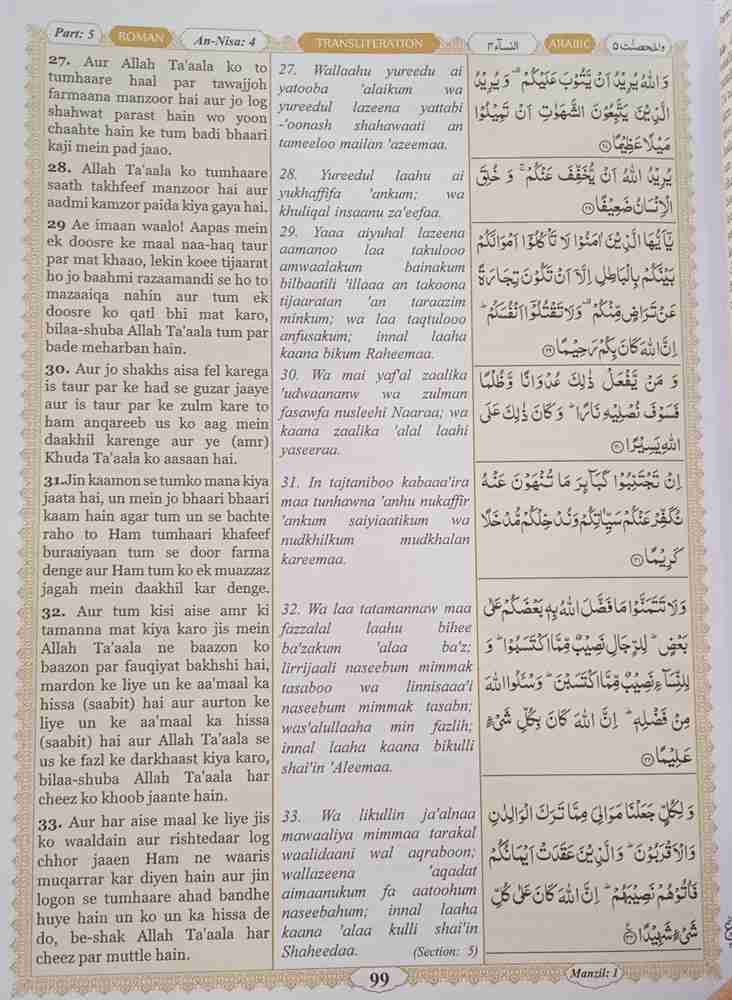
The term “Koran” shows up in many English‑language books, news stories, and casual conversations about Islam. Yet the spelling can feel odd if you’ve only ever seen “Qur’an” or “Quran” in textbooks. In plain English, “Koran” is simply another transliteration of the Arabic title of Islam’s holy scripture, and it carries the same meaning as its more common counterparts.
Origins of the English Word “Koran”
The Arabic word al‑Qurʾān (القرآن) literally translates to “the recitation.” Early European travelers and missionaries, writing in the 16th and 17th centuries, tried to capture the sound of the word using the Latin alphabet. Because the Arabic “q” is a guttural consonant not present in most European languages, they settled on “K” to approximate it, giving us “Koran.”
This transliteration spread through Dutch, French, and English literature long before modern standardization efforts. By the 19th century, “Koran” was the dominant spelling in English‑language scholarship, even appearing in major reference works such as the Encyclopaedia Britannica.
Why Two Spellings Still Coexist
In the mid‑20th century, scholars and Muslim communities began favoring “Qur’an” or “Quran” to reflect a closer phonetic match to the original Arabic. The shift was also influenced by the rise of academic standards that preferred “q” for the Arabic ق (qāf) and an apostrophe to denote the glottal stop (ʾ) in al‑Qurʾān.
Despite the newer preference, “Koran” hasn’t vanished. Many newspapers, especially older editions, continue using it out of habit. Some style guides even allow both forms, noting that the meaning remains identical.
How “Koran” Is Used in Modern English
- Academic writing: Historians and literary analysts may quote older sources that use “Koran,” so they retain the spelling for accuracy.
- Media coverage: News outlets sometimes switch between “Koran” and “Quran” depending on the writer’s background or the outlet’s style guide.
- Everyday conversation: Speakers who learned the term from family or community may default to “Koran” without realizing the alternative spellings.
In all cases, the word refers to the same text: the collection of revelations that Muslims believe were delivered to the Prophet Muhammad over a span of roughly 23 years.
Does “Koran” Imply a Different Translation?
No. The content of the scripture is unchanged regardless of the English label. Translators such as Abdullah Yusuf Ali, Marmaduke Pickthall, and more recent scholars produce versions titled “The Holy Qur’an” or simply “Qur’an.” When you pick up a book titled “The Koran,” you’ll find the same Arabic verses, often accompanied by footnotes and commentary similar to those in “Quran” editions.
The only practical difference lies in the publisher’s stylistic choice. Some older editions retain “Koran” to honor the historical lineage of English‑language Islamic studies.
Pronunciation Tips for English Speakers
Regardless of spelling, the word is pronounced roughly as “koo‑RAHN.” The initial “k” in “Koran” is a hard sound, while the “q” in “Qur’an” aims for a deeper, throaty articulation that isn’t native to English. Most native speakers settle on the simpler “koo‑RAHN,” and both spellings are accepted in casual speech.
When speaking to a Muslim audience, it’s courteous to use the spelling they prefer, often “Qur’an” or “Quran,” but knowing the background of “Koran” can smooth over any accidental missteps.
Key Takeaways
The English word “Koran” is an older transliteration of the Arabic al‑Qurʾān, meaning “the recitation.” It coexists with “Qur’an” and “Quran,” each reflecting different historical and phonetic conventions. The meaning, content, and religious significance remain unchanged across all spellings.
Frequently Asked Questions
Is “Koran” considered outdated?
It’s less common in contemporary academic and religious writing, but it’s not incorrect. Many historical texts still use it, and it’s understood worldwide.
Do “Koran” and “Quran” refer to different books?
No. Both terms denote the same holy scripture of Islam. The difference is purely orthographic.
Which spelling should I use in a formal essay?
Follow the style guide you’re adhering to. If none is specified, “Qur’an” or “Quran” is generally preferred for modern scholarship.
Can I find English translations titled “Koran”?
Yes. Several classic translations from the 19th and early 20th centuries still carry that title, and they are still valued for their literary qualities.