What Unlocking the Panama Canal Means for Global Trade
The phrase “unlocking the Panama Canal” has been tossed around in shipping news and policy circles for several years now. In plain terms, it refers to the series of upgrades—most notably the 2016 expansion—that let the waterway accommodate vessels that were previously too large to pass. This definition may sound technical, but its ripple effects touch everything from the price you pay for a laptop to the schedule of a container ship sailing from Asia to the East Coast of the United States.
How the Canal Was “Locked” and What Changed
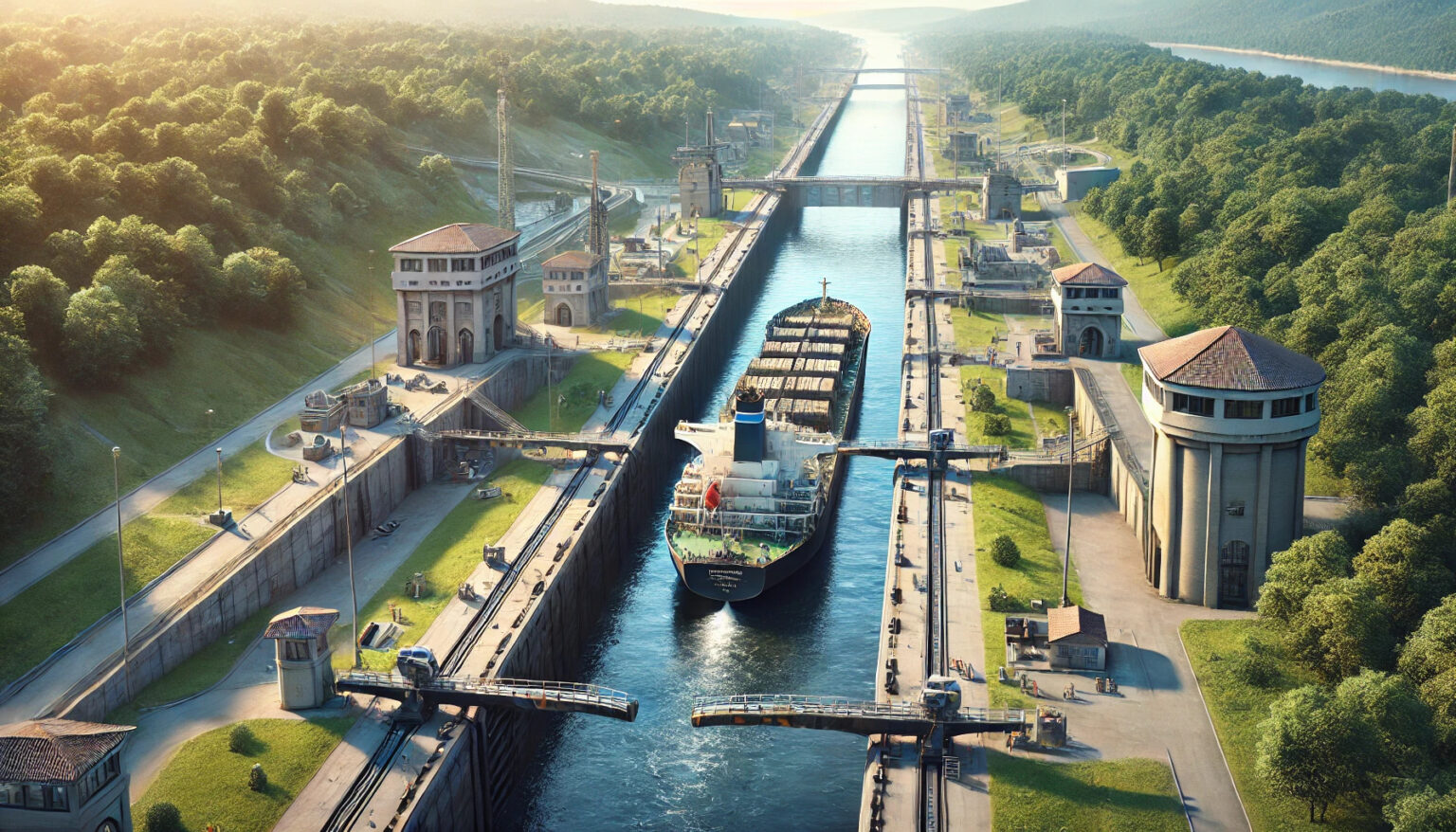
Originally opened in 1914, the canal was built around the size limits of early‑20th‑century ships. Those limits created a natural bottleneck: vessels larger than the “Panamax” dimensions—roughly 965 feet long and 106 feet wide—had to off‑load cargo at a coastal port and reload onto smaller ships, a costly detour known as “transshipment.” The 2016 expansion, officially called the Panama Canal Expansion Project, added a third set of locks on the Atlantic and Pacific sides. These new locks are wide enough for “New Panamax” ships, which can be up to 1,200 feet long and 160 feet wide, effectively unlocking the canal for a whole new class of cargo carriers.
Immediate Operational Impacts
With the larger locks in place, the canal’s daily capacity jumped by an estimated 6,000 twenty‑foot equivalent units (TEU). That sounds like a lot of boxes, but what it really means is that a single New Panamax vessel can now carry as much cargo as three or four older Panamax ships combined. Shipping lines quickly adjusted their fleets, deploying more of these giant vessels on routes that cross the canal.
- Transit times for Asia‑to‑U.S. East Coast routes have trimmed down by up to a day, because ships no longer need to detour around South America or wait for smaller vessels to fit through the old locks.
- Freight rates for certain lanes have shown modest declines, as carriers benefit from economies of scale and pass some savings onto shippers.
- Port infrastructure in Panama City, Colón, and surrounding terminals received upgrades to handle the bigger ships, creating jobs and spurring local investment.
Economic Ripple Effects Beyond the Waterway
The ability to move more goods through a single, predictable passage reshapes global supply chains. Manufacturers in China, Vietnam, and Mexico now consider the East Coast of the United States a more viable market because the canal offers a faster, less expensive link than the traditional West‑Coast‑to‑East‑Coast rail route. Likewise, agricultural exporters from the Midwest can ship grain directly to European ports via the canal, bypassing the congested Panama‑to‑Europe shipping lanes that previously required multiple transshipments.
For consumers, the downstream effect may show up as slightly lower prices on items that travel through the canal—think apparel, electronics, and even some food products. While the price impact is modest, the increased reliability of delivery schedules is a tangible benefit for retailers that rely on just‑in‑time inventory.
Geopolitical and Environmental Considerations
Unlocking the canal also shifts the balance of maritime power. Nations that previously depended heavily on the Suez Canal for Europe‑to‑Asia trade now have a viable alternative route that shortens voyages by roughly 8,000 nautical miles. This diversification reduces the strategic leverage that any single chokepoint can exert over global commerce.
From an environmental standpoint, the larger locks have a mixed record. On one hand, moving bigger ships means fewer voyages are needed to transport the same amount of cargo, which can lower fuel consumption per container. On the other hand, the canal’s water‑intensive lock operation draws heavily from Gatun Lake, prompting Panama to invest in water‑conservation measures and explore renewable‑energy options for lock operations.
Future Outlook: What’s Next for “Unlocking”?
Even with the 2016 expansion, the canal still faces capacity constraints during peak seasons. Industry analysts suggest that a second round of upgrades—perhaps a fourth set of locks or deeper channels—could be on the horizon, though no concrete plans have been announced. Meanwhile, digital platforms that provide real‑time canal traffic data are helping ship operators plan more efficiently, squeezing additional performance out of the existing infrastructure.
In the end, “unlocking” isn’t a one‑time event but an ongoing process of adapting a century‑old marvel to the demands of 21st‑century trade. As the world’s supply chains continue to evolve, the Panama Canal’s role as a decisive shortcut will likely grow, shaping everything from global shipping economics to the daily choices of consumers in distant markets.
Frequently Asked Questions
What does “unlocking the Panama Canal” actually refer to?
It describes the 2016 expansion that added a third set of locks, allowing larger “New Panamax” vessels to transit the canal, thereby increasing capacity and reducing bottlenecks.
How has the expansion affected shipping costs?
While exact figures vary, many carriers have reported modest freight‑rate reductions on routes that benefit from larger ship sizes and shorter transit times, thanks to economies of scale.
When did the Panama Canal expansion officially open?
The expanded canal began commercial operations on June 26, 2016, after years of construction and testing of the new lock system.