What ‘WTF’ Really Means: Origins, Usage, and Etiquette
Tracing the Roots of the Acronym
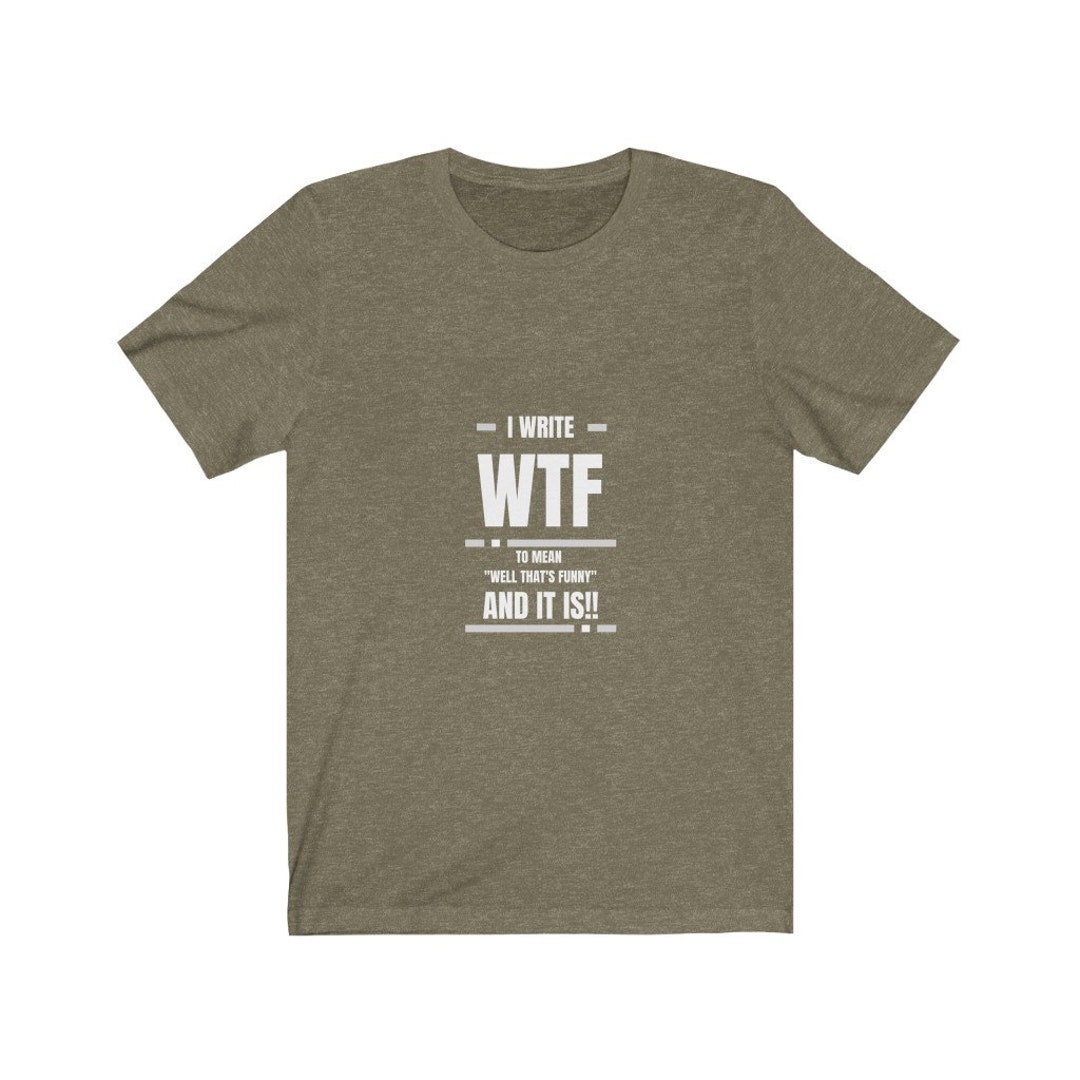
When you first encounter WTF meaning, the reaction is often a mix of surprise and curiosity. The letters stand for “what the fuck,” a blunt expression of disbelief or confusion that surfaced in print during the late 1960s. Early examples appear in underground newspapers and counter‑culture magazines, where writers used the phrase to capture shock without spelling out the profanity.
By the 1990s, the internet gave WTF a new playground. Message boards, chat rooms, and early email threads adopted the shorthand because it saved keystrokes and conveyed tone that plain text often lacked. Over the next decade, the acronym migrated from niche forums to mainstream media, appearing in movies, television scripts, and eventually, the headlines you see today.
How People Use WTF Today
In everyday conversation, WTF can function as a question, an exclamation, or even a rhetorical punchline. A text message that reads “WTF, the power just went out!” instantly tells the recipient that something unexpected happened and the sender is scrambling for an explanation.
Social media amplifies this versatility. On platforms like Twitter, a short “WTF?” can spark a thread of jokes, memes, or serious debate. Meanwhile, in gaming chats, “WTF” often follows a surprising in‑game event—a sudden defeat or an inexplicable glitch.
Variations and Cousin Acronyms
- WTFB* – adds “bullshit” for extra emphasis.
- WTH – “what the heck,” a milder, family‑friendly alternative.
- WYA – “where you at?” shows how the format of three‑letter acronyms has become a linguistic shortcut across topics.
These offshoots illustrate a broader trend: acronyms compress emotion, allowing writers to convey tone quickly. While WTF remains the most recognizable, its siblings often appear when speakers want to soften the impact or avoid triggering content filters.
When Is It Appropriate?
Despite its prevalence, WTF still carries a level of profanity that can be jarring in formal settings. In a business email, dropping a “WTF” after a missed deadline could be interpreted as unprofessional or even hostile. If you need to express surprise without crossing that line, consider WTH or a simple “Really?”
That said, many workplaces have adopted a more relaxed culture, especially in creative or tech industries. In those environments, a well‑placed “WTF” can signal camaraderie and shared frustration, provided the team’s tone supports it. The key is reading the room—both literally and metaphorically.
WTF’s Role in Pop Culture
Movies and television love the shock value of WTF. A quick “WTF?” after a twist scene signals audience disbelief, while a character shouting the phrase can underscore a high‑stakes moment. Music lyrics, too, have woven the acronym into choruses, turning a once‑taboo expression into a catchy hook.
Even advertising has borrowed the buzz. Brands aiming for edginess sometimes pepper campaigns with “WTF?” to grab attention, though they risk alienating more conservative consumers. The balance between intrigue and offense remains a delicate dance.
FAQ
What does WTF stand for?
WTF is short for “what the fuck,” a colloquial way to ask “what is happening?” or to express strong surprise.
Is it okay to use WTF in professional emails?
Generally, it’s safer to avoid WTF in formal correspondence. Opt for milder alternatives like “what the heck” or simply “surprised” unless you know the recipient is comfortable with informal language.
How has WTF evolved with internet slang?
Online, WTF shifted from a written profanity to a rapid‑fire reaction, often paired with memes or emojis. Its brevity makes it perfect for fast‑paced chats, and newer variants (e.g., WTFB*) add layers of emphasis.
Are there polite substitutes for WTF?
Yes—phrases like “what on earth,” “what the heck,” or even a plain “really?” convey similar surprise without the explicit language.