What You Need to Know About 3‑Phase Voltage in Indonesia
Why 3‑Phase Power Matters for Indonesian Homes and Industry
Indonesia’s rapid urbanisation has turned reliable electricity into a cornerstone of daily life and economic growth. While most households run on single‑phase supply, factories, data centres, and large commercial buildings depend on 3‑phase voltage to keep heavy machinery humming and lights bright. Understanding the basics can help anyone—from a homeowner planning an upgrade to a small‑business owner budgeting for equipment—navigate the local grid with confidence.
How 3‑Phase Voltage Works in Indonesia
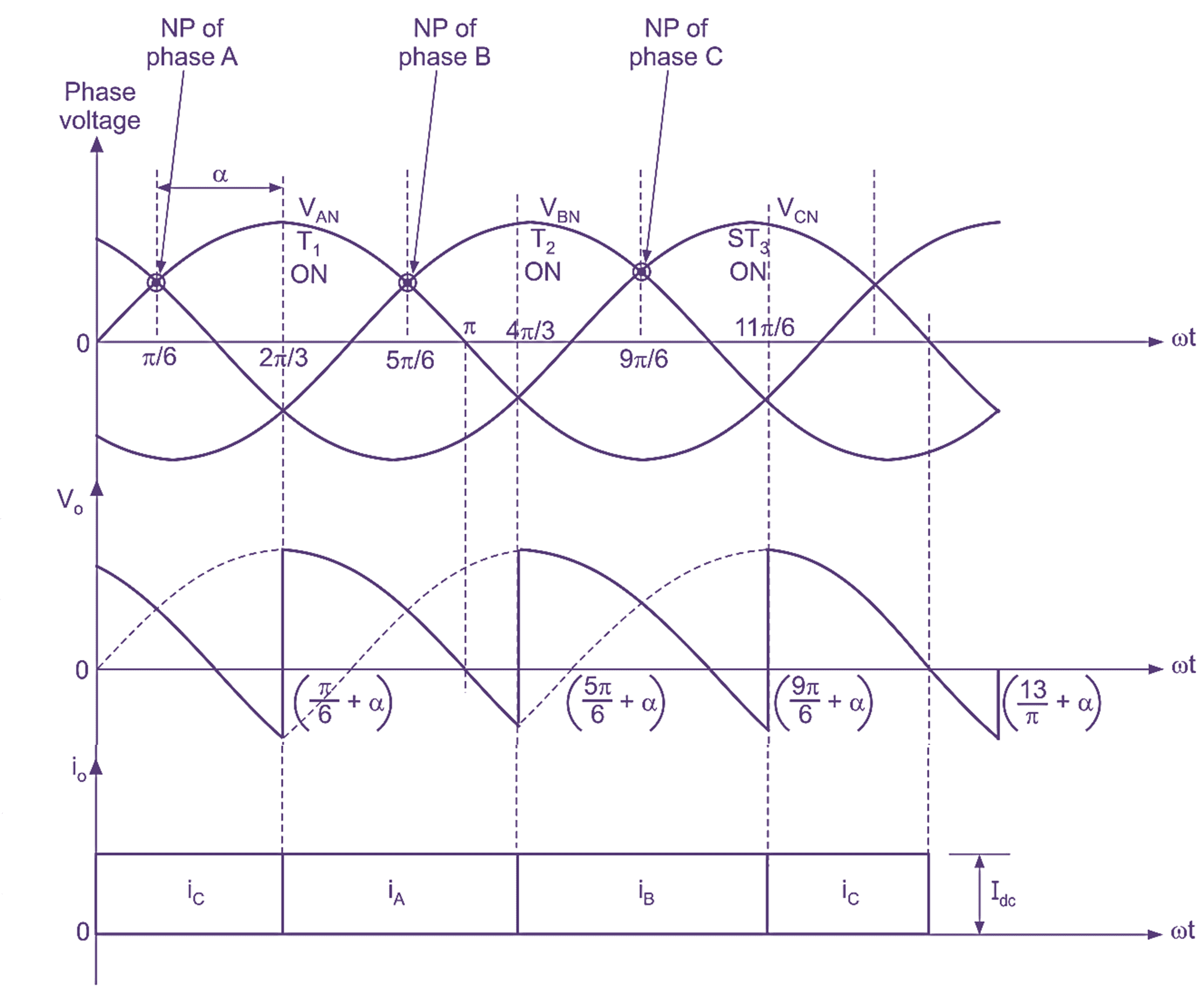
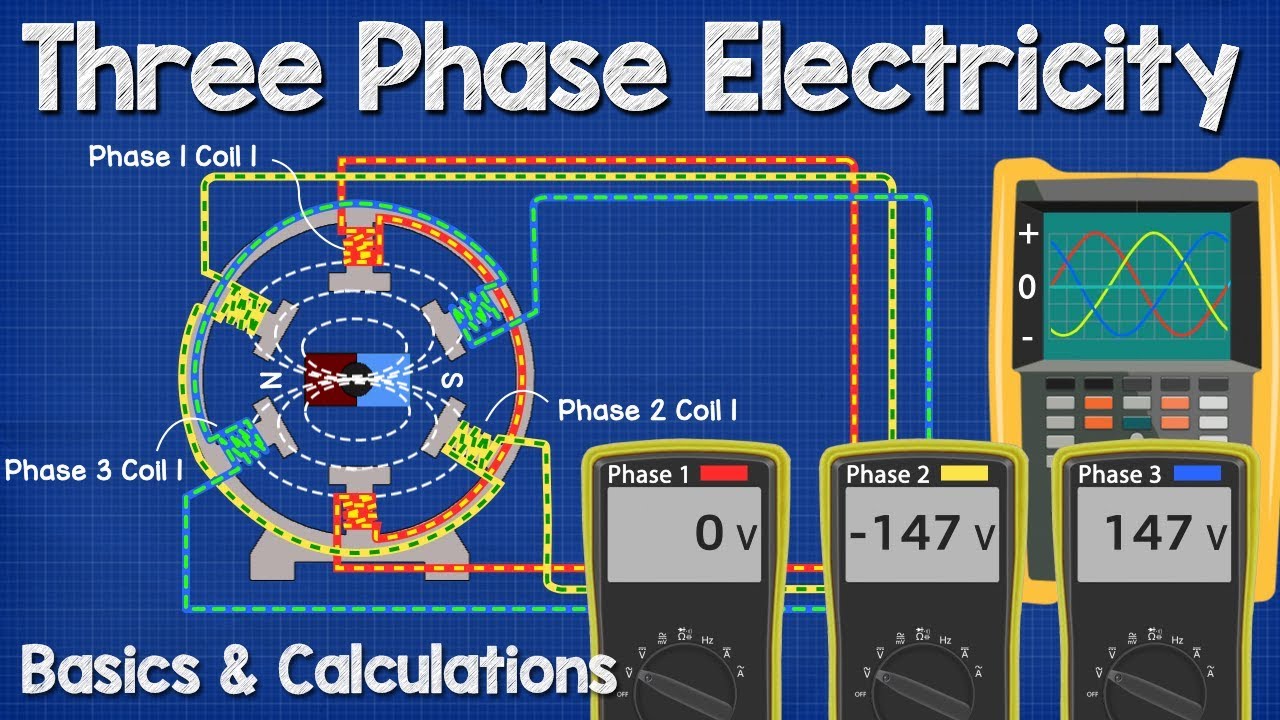
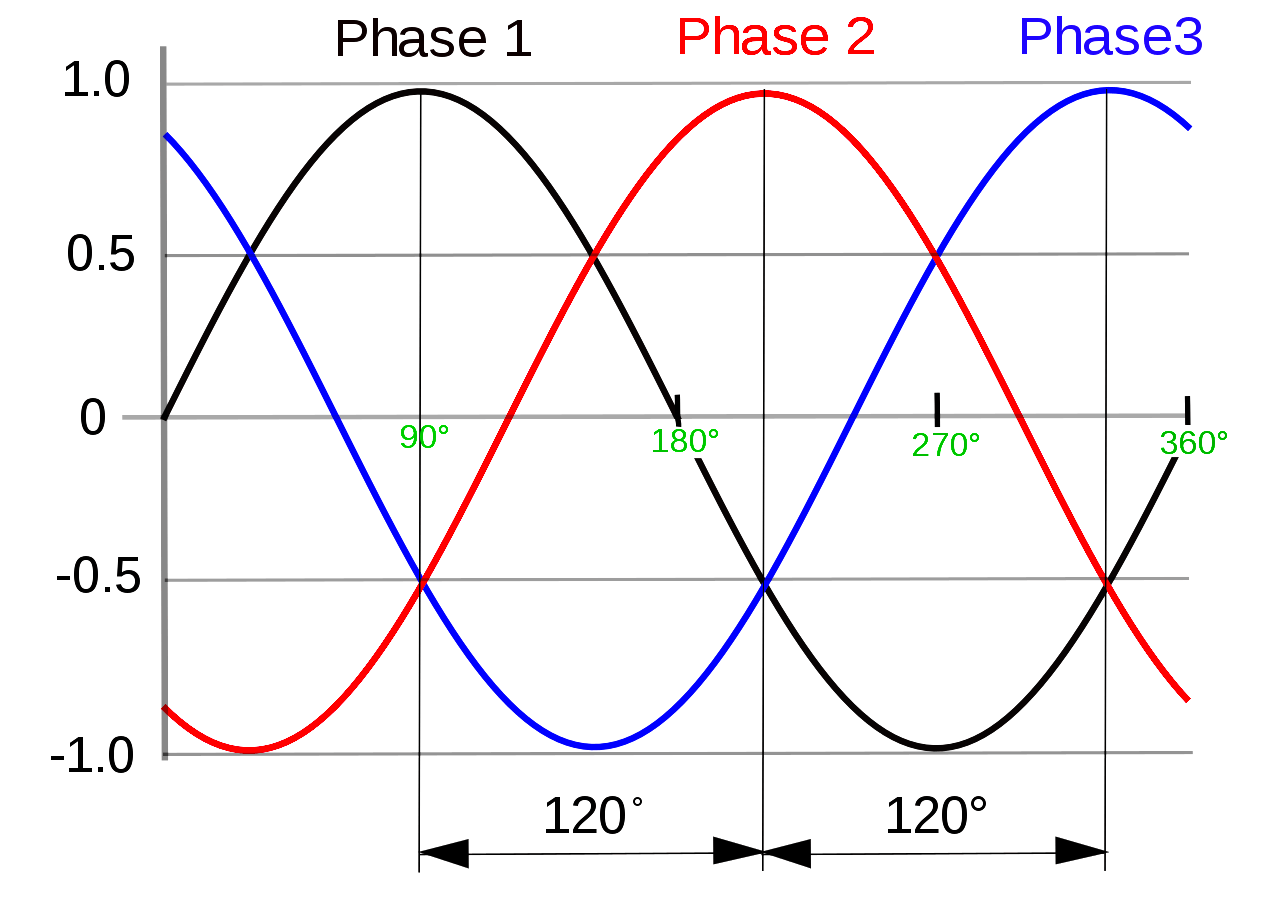
In a 3‑phase system three alternating currents are generated, each offset by 120 degrees. The result is a constant flow of power that never drops to zero, unlike single‑phase where the voltage peaks and troughs. In Indonesia, the standard nominal voltages are 400 V line‑to‑line and 230 V line‑to‑neutral, matching the IEC 60038 international guidelines. This means that any 3‑phase motor rated for 400 V will run smoothly on the national grid without needing a transformer.
Key components you’ll encounter
- Three‑phase transformer: Steps down high‑voltage transmission to the 400 V distribution level.
- Distribution panel: Houses protective devices such as MCCBs (Miniature Circuit Breaker) for each phase.
- Phase conductor colors: Typically red, yellow, and blue in Indonesia, though local practices may vary.
Getting Connected: The Process and What to Expect
If you’re considering a 3‑phase connection, the first step is a site survey by the regional utility—PLN (Perusahaan Listrik Negara). The survey checks load requirements, available capacity, and the distance to the nearest 3‑phase feeder. After approval, PLN will install a dedicated meter and a three‑phase service drop, which may involve trenching or overhead lines depending on your location.
Installation costs can differ widely. Urban Jakarta projects often run higher due to congested streets and stricter permitting, while remote islands might see additional charges for extended cable runs. It’s wise to request a detailed quotation that breaks down labor, materials, and any required permits.
Common Misconceptions About 3‑Phase Power in Indonesia
Many people think 3‑phase is only for industrial use. In reality, small businesses like bakeries, automotive workshops, and even upscale restaurants frequently rely on 3‑phase to power ovens, compressors, and large refrigeration units. Another myth is that 3‑phase is inherently more dangerous. While the higher voltage does demand careful handling, modern protective devices and proper grounding make it as safe as any other electrical system when installed by licensed electricians.
Choosing the Right Equipment for a 3‑Phase Setup
When selecting motors, inverters, or UPS units, always verify that the nameplate lists 400 V (or 380 V in older specifications) as the operating voltage. Some imported equipment may still carry the 380 V rating common in parts of Southeast Asia; these can usually run on Indonesia’s 400 V supply, but a slight voltage tolerance check is advisable.
Energy efficiency is another factor. Look for IEC‑rated efficiency classes (IE1, IE2, IE3) that indicate how much power the motor will consume under load. Investing in higher‑efficiency models can shave off a noticeable portion of electricity bills, especially for machinery that runs continuously.
Maintenance Tips to Keep Your 3‑Phase System Running Smoothly
Regular visual inspections of the distribution panel can catch loose connections before they cause voltage imbalances. Periodic insulation resistance testing (often called a megger test) helps ensure that the conductors haven’t degraded due to humidity—a common issue in coastal regions of Indonesia. Finally, keep a log of any overload incidents; recurring tripping of a particular phase may signal an underlying imbalance that needs professional attention.
FAQ
What voltage does a typical Indonesian 3‑phase outlet provide?
Standard 3‑phase outlets deliver 400 V between any two phases and 230 V between any phase and neutral. This is the same across most of the archipelago, following IEC standards.
Can I convert a single‑phase supply to 3‑phase for a small workshop?
Yes, but not by a simple plug‑in adapter. You’ll need a phase‑converter or a variable frequency drive (VFD) designed to synthesize the missing phases. For reliable, long‑term operation, most experts recommend installing a dedicated 3‑phase line from PLN.
How long does it take to get a 3‑phase connection approved?
Approval timelines vary. In major cities, the survey and paperwork may be completed within two to four weeks, while remote areas could take up to two months due to logistical challenges.
Do I need a separate grounding system for 3‑phase equipment?
Indonesia’s electrical codes require a robust grounding electrode for any 3‑phase installation. This typically involves a copper rod driven into the earth, connected to the panel’s ground bus.