Where to Buy Speed Queen Dryer Parts and Fix Common Issues
When a Speed Queen dryer starts making strange noises or refuses to tumble, the first instinct is often to replace the whole unit. In reality, most problems trace back to a single faulty component that can be sourced and swapped without a major investment. This guide walks you through the most common parts, reliable sources to purchase them, and step‑by‑step repair tips that keep your commercial‑grade dryer humming.
Why Speed Queen Dryers Are Different
Speed Queen machines are built for laundromats, hotels, and other high‑usage environments. Their heavy‑duty motors, stainless‑steel drums, and reinforced frames mean they outlast many residential models. However, that durability also comes with a proprietary parts ecosystem. Genuine components are engineered to match the dryer’s torque and heat specifications, so using the right part matters for safety and performance.
Top Wear‑And‑Tear Parts
Even the toughest dryer will eventually need a replacement. Here are the parts that most owners end up swapping:
- Thermal Fuse – shuts off power if the dryer overheats; a common culprit when the unit won’t start.
- Heating Element – provides the hot air; a broken element leads to damp clothes.
- Drum Belt – powers the drum rotation; a snapped belt leaves the drum dead.
- Idler Pulley – guides the belt; wear causes slipping or squealing.
- Door Switch – prevents operation when the door is open; a faulty switch can halt the cycle.
Identifying which part is at fault usually starts with a quick visual inspection and a few simple tests, which we’ll cover later.
Where to Buy Genuine Speed Queen Dryer Parts
Finding authentic components is easier than you might think. Below are three reliable avenues:
- Authorized Speed Queen Dealers – these shops carry OEM parts and often provide warranty support. Look for a dealer listed on the official Speed Queen website.
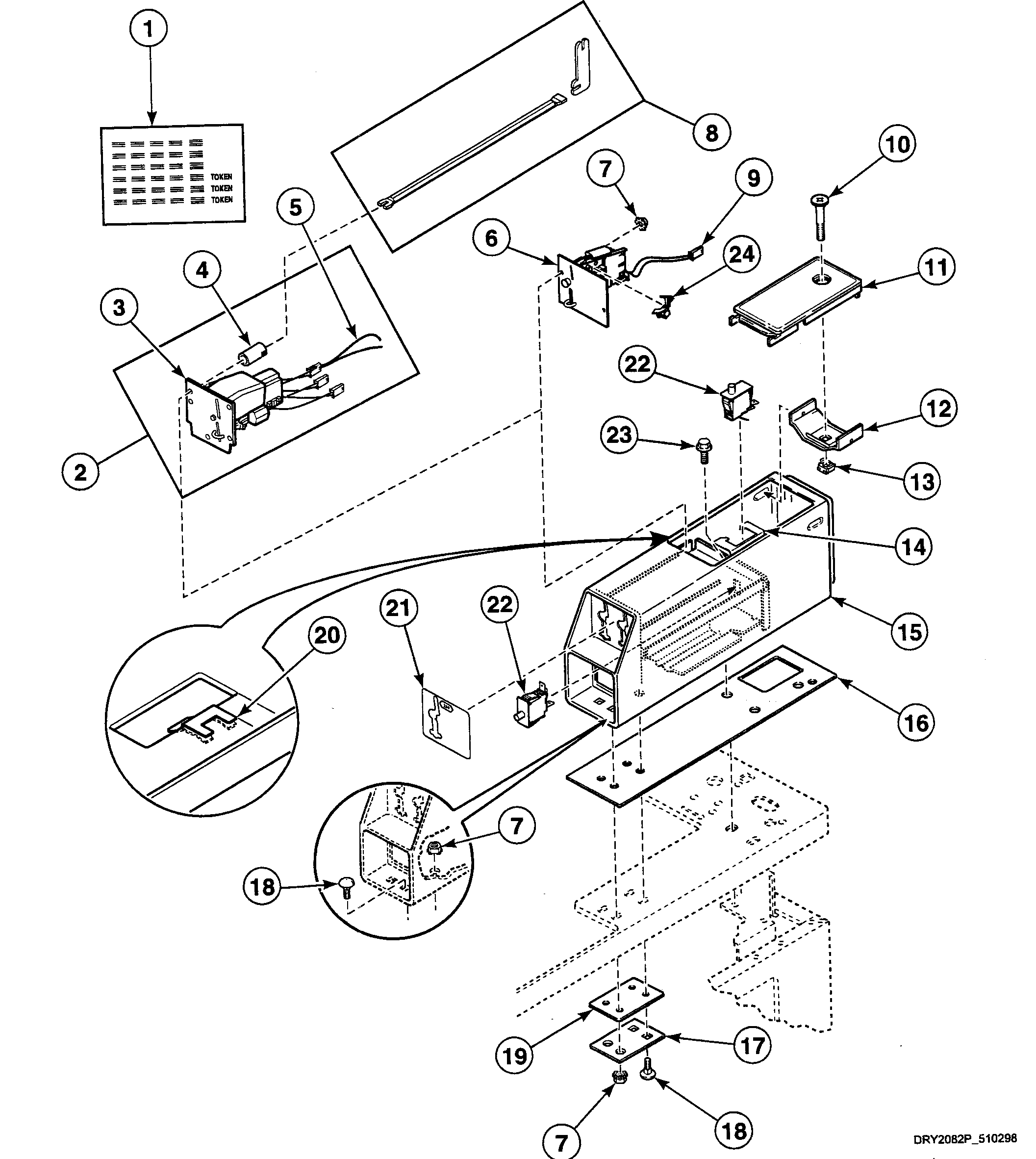
- Online Parts Marketplaces – sites such as RepairClinic and PartSelect list Speed Queen parts with detailed diagrams, making it easy to confirm you have the right model number.
- Local Appliance Repair Shops – many independent technicians keep a stocked inventory of popular parts. Buying locally can shave days off shipping.
When ordering, double‑check the dryer’s model number (usually found on a metal tag inside the door frame) and compare it against the part’s compatibility list. Using a non‑OEM piece might save a few dollars but can lead to premature failures.
DIY Repair: A Step‑by‑Step Checklist
Before you reach for the toolbox, make sure the dryer is unplugged and you have the correct replacement part on hand. Here’s a concise workflow that applies to most of the parts listed above:
1. Diagnose the Symptom
Listen for unusual noises, feel for lack of heat, or note if the drum doesn’t turn. Match the symptom to the likely component (e.g., no heat → heating element).
2. Access the Interior
Remove the dryer’s front or rear panel using a screwdriver or nut driver. Most Speed Queen models have a few screws hidden behind the lint filter.
3. Inspect and Replace
- For a **thermal fuse**, locate it on the blower housing, test continuity with a multimeter, and replace if broken.
- To swap a **drum belt**, release the tension on the idler pulley, slide the old belt off the drum, and loop the new belt over the drum, tensioner, and motor pulley.
- When changing the **heating element**, disconnect the power connectors, unscrew the element housing, and slide the new element into place.
4. Reassemble and Test
Put the panels back, reconnect power, and run a short cycle. If the dryer behaves as expected, you’ve saved both time and money.
When to Call a Professional
Some repairs involve high voltage components or delicate electronics. If you encounter any of the following, it’s best to schedule a technician:
- Persistent error codes displayed on the control board.
- Signs of burned wiring or scorch marks near the motor.
- Repeated failures of the same part after replacement.
Professional service ensures compliance with local electrical codes and protects the warranty on your machine.
Maintenance Tips to Extend Part Life
Regular upkeep can stave off many common failures. Consider these habits:
- Clean the lint filter after every load and inspect the dryer vent quarterly.
- Run a monthly “air‑flow” cycle (no clothes) to burn off residue that can corrode heating elements.
- Check the drum belt for signs of fraying or glazing and replace it pre‑emptively if you notice wear.
Small preventative steps pay off in fewer emergency repairs and a longer lifespan for your Speed Queen dryer.
FAQ
Q: How can I tell if the thermal fuse is the problem?
A: A dead thermal fuse shows no continuity on a multimeter. If the dryer won’t start and the fuse is blown, replace it and verify that the vent is clear, as blockage often triggers a fuse failure.
Q: Are aftermarket belts safe for Speed Queen dryers?
A: While some third‑party belts fit, they may not meet the exact tensile strength specifications. For reliability, stick with OEM belts, especially in high‑usage settings.
Q: What’s the typical cost of a genuine heating element?
A: Prices vary by model, but most OEM heating elements range from $80 to $150. Shipping adds a modest fee, and many dealers offer a limited warranty.
Q: Can I use a standard screwdriver to remove panels?
A: Yes, most panels are secured with Phillips or flat‑head screws. A set of basic screwdrivers will cover the majority of Speed Queen models.