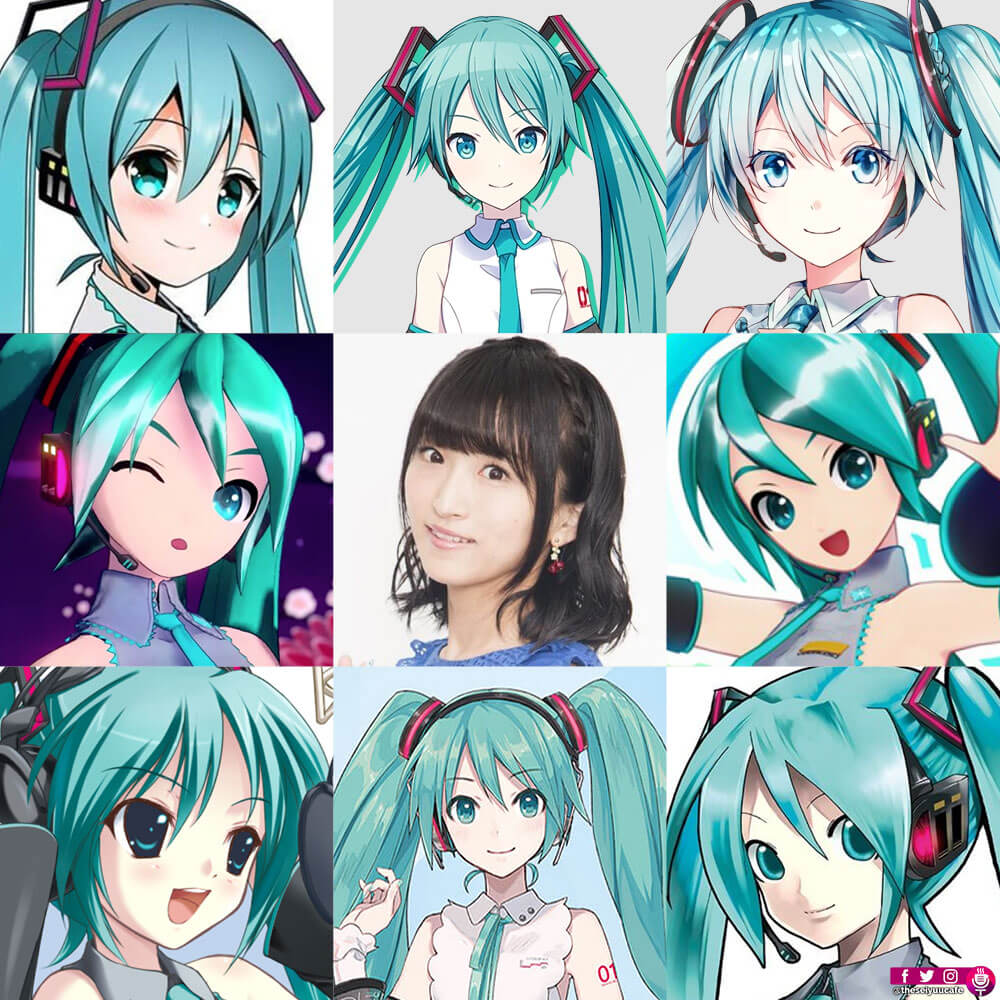
Who Voices Hatsune Miku? Meet the Virtual Idol’s Singer
What makes Hatsune Miku’s voice possible?
When you hear the unmistakable “ten‑nin‑na‑nin” melody that defines Hatsune Miku, you’re actually listening to a collection of recorded phonemes stitched together by a software engine. The Hatsune Miku voice actor who supplied those original samples is Japanese voice actress Saki Fujita. Her clear, youthful timbre became the foundation for a virtual pop star that has sold millions of records, headlined stadium shows, and even collaborated with major brands.
The origin of Hatsune Miku’s voice
Back in 2007, Crypton Future Media released the first Vocaloid 2 voicebank under the name Hatsune Miku. The company needed a voice that sounded both contemporary and adaptable to any genre. They turned to Saki Fujita, a then‑up‑and‑coming actress and singer, to record a set of phonetic sounds—everything from vowels to consonant clusters. Those recordings were processed through Yamaha’s Vocaloid engine, which allows producers to input lyrics and melody, then have the software generate a sung performance.
Because the voicebank is entirely digital, the “actor” does not perform live in the traditional sense. Instead, producers manipulate the raw material—adjusting pitch, dynamics, and timing—to shape Miku’s vocal line. This flexibility is why Miku can sound like a pop diva one moment and a rock vocalist the next, all while staying true to Fujita’s original tonal qualities.
Saki Fujita: The original voice provider
Fujita’s contribution goes beyond a handful of recordings. She also recorded a series of “expressive” samples—whispers, breaths, and emotional inflections—that give Miku her characteristic breathy charm. In interviews, Fujita has described the process as “singing a thousand tiny fragments” rather than delivering a full song. The result is a voice that feels both human and otherworldly.
Although her role is often called “voice actor,” it’s more accurate to call her the “voice provider.” Unlike a traditional voice‑over role, Fujita’s work is static; the software reuses her sounds in countless ways, but she does not record new lines for each new Miku track. Nevertheless, she occasionally appears at live events, handing over a microphone to the holographic Miku for special duets.
From samples to a stage‑filling performer
The Vocaloid engine interprets Fujita’s phonemes based on a pitch‑contour graph that producers draw. Think of it as a digital puppet: the software pulls the strings, but the voice’s texture remains Fujita’s. This method also lets developers add effects—reverb, distortion, even auto‑tune—without losing the original character.
When Miku “performs,” she’s projected as a 3‑D hologram onto a transparent screen, while the actual audio comes from the same synthesized voicebank. The visual and auditory components are synchronized by a pre‑programmed show, allowing fans to experience a concert that feels both futuristic and intimately familiar.
Beyond the original: guest vocalists and cover versions
Because the voicebank is open to anyone with a Vocaloid license, many fans and professional musicians create their own versions of Miku songs. Some artists record new vocal tracks using a different voice actress, labeling them “Miku cover” or “Miku remix.” While these renditions can sound distinct, the official “Hatsune Miku” brand still relies on Fujita’s original samples.
In recent years, Crypton has introduced “Vocaloid 5” updates, improving articulation and adding new expression controls. Yet even the most advanced updates are built atop Fujita’s initial recordings, underscoring her lasting influence on the character’s sound.
Why the voice actor matters to fans
Understanding that a single human voice lies at the heart of a global phenomenon adds a layer of appreciation for the technology. Fans often celebrate Fujita’s contribution on social media, sharing behind‑the‑scenes clips of her recording sessions. Moreover, knowing the voice’s origin helps listeners discern subtle changes between official releases and fan‑made covers.
For aspiring producers, the story of Fujita’s involvement is a reminder of how a clear, versatile voice can become a limitless tool when paired with the right software. It also highlights the collaborative nature of modern music: a voice actress, programmers, and fans all shape the final product.
Frequently Asked Questions
Q: Is Hatsune Miku a real singer?
A: Miku is a virtual singer powered by the Vocaloid engine. While she doesn’t perform live in a physical sense, her concerts use holographic technology combined with the synthesized voice originally provided by Saki Fujita.
Q: Has Saki Fujita recorded new material for Miku since 2007?
A: Officially, no new phonetic recordings have been added to the original voicebank. Updates to the software improve articulation and expression, but they reuse the same set of samples Fujita recorded.
Q: Can anyone become the voice of Hatsune Miku?
A: Only Crypton Future Media holds the rights to the official Miku voicebank. Independent creators can produce “Miku‑style” vocaloids using different voice providers, but those are not the canonical Hatsune Miku.
Q: Does Hatsune Miku ever sing in languages other than Japanese?
A: Yes. Producers can input lyrics in English, Chinese, Korean, and many other languages. The Vocaloid engine adjusts phoneme timing to accommodate different linguistic rules, though the timbre remains Fujita’s Japanese‑origin voice.