Why Turkey Isn’t Part of the European Economic Area
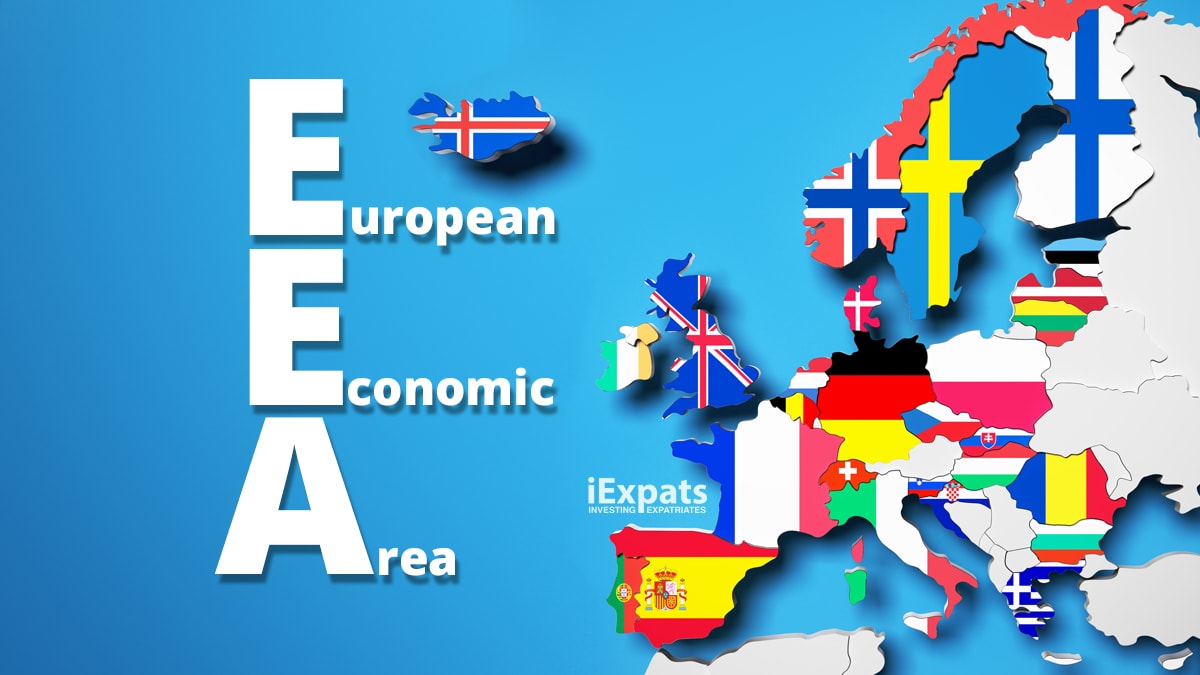
When you hear “European Economic Area” (EEA) you might picture the whole continent, including Turkey. In reality, the EEA is a specific customs‑free zone that brings together the European Union (EU) and three European Free Trade Association (EFTA) states. Turkey, despite its long‑standing ties with Europe, does not belong to this arrangement. Understanding why requires a quick look at how the EEA is structured and where Turkey sits in Europe’s political‑economic landscape.
What the European Economic Area Actually Is
The EEA was created in 1994 to extend the EU’s single market to non‑EU members of EFTA—namely Norway, Iceland, and Liechtenstein. These three countries enjoy the same rights to trade, services, and the free movement of people as EU members, but they are not bound by EU political decisions or the euro currency. Switzerland, the fourth EFTA member, chose a separate set of bilateral agreements instead of joining the EEA.
In short, the EEA is a “single market plus” for EU members plus the three EFTA states that have opted in. Membership requires a formal accession treaty that aligns the applicant’s laws with a large portion of the EU acquis, the body of existing legislation.
Turkey’s Current Relationship with the EU
Turkey has been an official EU candidate country since 1999, and it has been in a customs union with the EU since 1995. The customs union removes tariffs on most industrial goods and aligns Turkish customs procedures with EU rules, but it stops short of granting the full single‑market freedoms that EEA members enjoy.
Being a customs union partner is not the same as being an EEA participant. The customs union covers only trade in goods, while the EEA also covers services, capital, and the free movement of people. Moreover, the customs union does not require Turkey to adopt the extensive body of EU regulations that EEA states must incorporate into their national law.
Why Turkey Has Not Joined the EEA
- Legal alignment requirements – Accession to the EEA demands that a country adopt a substantial portion of EU legislation, especially in areas like competition policy, environmental standards, and consumer protection. Turkey’s current legal framework still diverges from many of these rules, making full alignment a daunting prospect.
- Political considerations – The EEA is essentially an extension of the EU’s internal market, and the EU has been cautious about expanding that market to countries whose accession prospects remain uncertain. Ongoing concerns about rule‑of‑law standards, human rights, and democratic institutions have slowed Turkey’s progress toward full EU membership, and consequently, EEA membership.
- Economic priorities – Turkey’s economy benefits from a tailored customs union that focuses on industrial goods, while many services sectors (finance, telecommunications, etc.) remain regulated separately. Joining the EEA would require opening those sectors to EU competition, a move that could be politically sensitive at home.
What This Means for Trade and Mobility
Because Turkey is not an EEA member, it does not automatically enjoy the free movement of people, services, or capital that EEA countries do. Turkish nationals still need visas for long‑term stays or work in EU/EEA states, and EU citizens face the same requirements when moving to Turkey.
In practice, the customs union facilitates the exchange of goods, and many Turkish companies have integrated supply chains with European partners. However, service providers—such as software firms or financial institutions—must navigate separate licensing regimes and may face barriers that their EEA counterparts do not.
Could Turkey Join the EEA in the Future?
Theoretically, any European country that meets the legal and political criteria could apply to join the EEA, even if it is not an EU member. Norway’s experience shows that a non‑EU state can successfully negotiate entry by aligning its legislation with the EU acquis. For Turkey, the hurdles are larger.
First, Turkey would need to demonstrate sustained progress on judicial independence, media freedom, and other democratic benchmarks that the EU monitors closely. Second, the Turkish government would have to commit to adopting a wide swath of EU regulations—something that would likely require new parliamentary reforms and could face domestic opposition.
Given the current trajectory, most analysts view full EEA membership as a long‑term possibility rather than an imminent step. In the meantime, Turkey and the EU continue to deepen cooperation through sector‑specific agreements, joint infrastructure projects, and dialogue on migration and security.
Frequently Asked Questions
Is Turkey part of the EU’s single market?
No. Turkey participates in the EU customs union for goods, but it does not belong to the EU single market, which includes services, capital, and free movement of people—rights reserved for EU and EEA members.
Can Turkish companies operate freely in Norway, Iceland, or Liechtenstein?
They can trade goods without tariffs thanks to the customs union, but they do not automatically enjoy the same market access for services as companies from EEA states. Additional licensing or regulatory approval may be required.
Would joining the EEA improve Turkey’s chances of EU membership?
Potentially, because EEA membership would signal a deeper legal alignment with EU standards. However, EU accession talks are influenced by broader political criteria, so EEA entry alone would not guarantee progress toward full membership.
Does the EEA include any countries outside Europe?
All current EEA members are European. The agreement is designed to extend the EU’s internal market to neighboring European states, not to non‑European nations.