Wireless LAN Controllers Explained: What They Do and Why They Matter
In today’s hyper‑connected offices, the sheer number of access points (APs) can feel overwhelming. A wireless LAN controller steps in as the central brain, coordinating those APs so the network stays fast, secure, and easy to manage. Whether you’re overseeing a handful of APs in a boutique shop or a campus‑wide deployment, understanding the controller’s role helps you avoid bottlenecks and keeps users happy.
What Is a Wireless LAN Controller?
A wireless LAN controller (WLC) is a dedicated hardware appliance—or increasingly, a virtual software instance—that centrally configures, monitors, and optimizes multiple Wi‑Fi access points. Instead of logging into each AP individually, network administrators connect to the controller, which pushes policies, firmware updates, and radio settings out to the entire fleet. This “single‑pane‑of‑glass” approach reduces manual work and ensures a consistent experience across the whole wireless landscape.
How Does a Controller Manage the Network?
When an AP boots up, it reaches out to the WLC and establishes a secure tunnel, often using CAPWAP (Control And Provisioning of Wireless Access Points). From that point, the controller becomes the AP’s command center: it decides which SSIDs to broadcast, which security protocols to enforce, and how to balance client load. Meanwhile, the AP handles the heavy lifting of data transmission, forwarding user traffic back to the controller for any necessary inspection before sending it on to the wired core.
This division of labor lets the controller focus on intelligence—like roaming decisions and interference mitigation—while the AP stays lean, which translates to lower latency and better battery life for devices roaming across the network.
Key Benefits of Using a Wireless LAN Controller
- Simplified Management: One interface to configure SSIDs, VLANs, QoS policies, and guest access, dramatically cutting admin time.
- Scalability: Adding a new AP is as easy as plugging it in; the controller automatically applies the existing configuration.
- Enhanced Security: Centralized enforcement of WPA3, 802.1X authentication, and intrusion detection ensures consistent protection.
- Seamless Roaming: The controller monitors client signal strength and directs handoffs between APs without dropping connections.
- Analytics & Reporting: Real‑time dashboards reveal usage patterns, rogue AP detection, and capacity planning insights.
- Firmware Consistency: Bulk updates keep every AP on the same software version, reducing vulnerabilities.
When to Choose a Physical vs. Virtual Controller
Traditional deployments favored rack‑mounted appliances, which offered high performance but required dedicated hardware space and power. Modern networks, especially those in the cloud or edge environments, often opt for virtual controllers that run on standard servers or as a service. Virtual options are flexible—scale up during peak seasons, shrink back down afterward, and integrate smoothly with software‑defined networking stacks. However, a physical appliance may still make sense for ultra‑low‑latency environments or where regulatory compliance mandates on‑premises hardware.
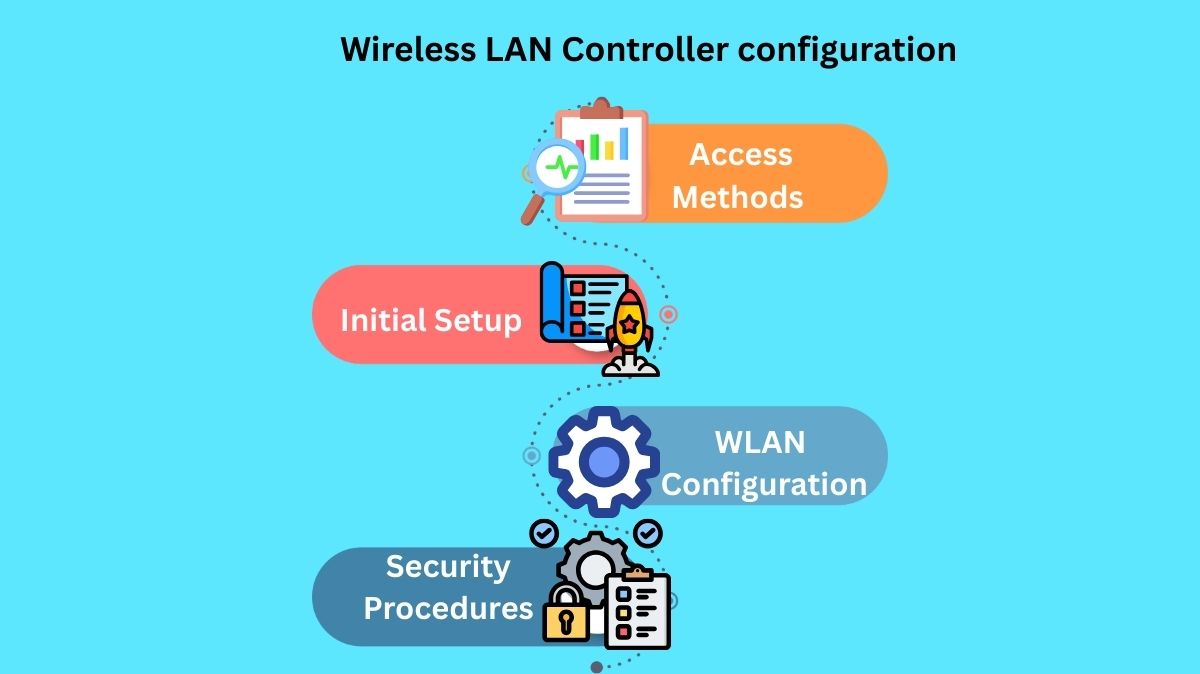
Best Practices for Deploying a WLC
Start with a site survey to map out coverage gaps and identify sources of interference. Once you’ve placed the APs, connect them to the controller and group them into logical “zones” that mirror building floors or departments. Apply a baseline policy—strong encryption, a separate guest VLAN, and bandwidth limits—then fine‑tune per zone based on usage data.
Don’t forget to enable redundancy. Most controllers support a primary/secondary pair, ensuring that a single point of failure won’t take down the entire wireless fabric. Regularly back up the controller configuration, and schedule firmware upgrades during low‑traffic windows to avoid surprising users.
Common Misconceptions
One myth is that a controller replaces the need for quality AP hardware. In reality, the controller amplifies the capabilities of good APs; cheap or outdated radios will still struggle with capacity and range. Another misconception is that a controller is only for large enterprises. Small businesses can benefit from a lightweight virtual controller, especially when they plan to expand or need robust guest‑network features.
Future Trends: Cloud‑Managed Controllers
As more organizations adopt hybrid work models, cloud‑managed wireless LAN controllers are gaining traction. These solutions let admins configure the network from any browser, while the controller itself runs in a data center or public cloud. Benefits include effortless multi‑site management, automatic scaling, and integrated AI‑driven analytics that can predict congestion before it happens. Yet, they do rely on a reliable internet connection to the cloud, so a backup on‑premises controller can be a prudent safety net.
Frequently Asked Questions
Do I need a wireless LAN controller for a small office?
Not strictly, but even a modest setup gains from centralized policy enforcement, especially for guest Wi‑Fi and security compliance. Virtual controllers priced for small businesses make it affordable.
Can a WLC improve Wi‑Fi performance, or does it just manage it?
Both. By intelligently steering clients to the best AP and balancing load, the controller reduces interference and boosts overall throughput, resulting in a smoother user experience.
Is CAPWAP the only protocol a controller can use?
CAPWAP is the most common, but some vendors support proprietary tunneling or even direct management without a tunnel for certain low‑latency scenarios.
How often should I update the controller firmware?
Regularly—ideally when a vendor releases a security patch or a feature update that aligns with your roadmap. Scheduling quarterly checks helps keep the network resilient.