Choosing Between HR and Finance: Which Career Fits You?
Understanding the Core Differences Between HR and Finance
When you hear “HR vs. Finance,” the contrast often feels like comparing apples and oranges—one deals with people, the other with numbers. Yet both fields are essential to a company’s success, and each offers a distinct set of challenges and rewards. Deciding which path aligns with your strengths, values, and long‑term goals starts with a clear picture of what each discipline actually does day‑to‑day.
What Professionals Do in HR
Human Resources revolves around the employee lifecycle. From recruiting fresh talent to handling benefits, performance reviews, and conflict resolution, HR specialists act as the bridge between the workforce and senior leadership. They also shape company culture, ensure compliance with labor laws, and develop training programs that keep skills sharp.
Key responsibilities include:
- Crafting job descriptions and managing recruitment pipelines.
- Overseeing onboarding, payroll administration, and benefits enrollment.
- Designing performance‑management systems and career‑development plans.
- Addressing employee relations issues and ensuring a safe, inclusive workplace.
What Professionals Do in Finance
Finance professionals keep the fiscal engine humming. They analyze data, forecast revenue, manage budgets, and evaluate investment opportunities. Whether you’re preparing quarterly statements, assessing risk, or guiding strategic decisions, the finance team translates raw numbers into actionable insight for the whole organization.
Typical duties involve:
- Preparing financial statements, balance sheets, and cash‑flow reports.
- Conducting variance analysis and budget monitoring.
- Evaluating capital‑allocation projects and return‑on‑investment scenarios.
- Ensuring compliance with tax regulations and accounting standards.
Core Skill Sets: People vs. Numbers
HR leans heavily on interpersonal abilities. Strong communication, empathy, and negotiation skills are non‑negotiable. You’ll need to read between the lines, mediate disputes, and inspire confidence across diverse employee groups.
Finance, on the other hand, demands analytical rigor. Proficiency with spreadsheets, data‑visualization tools, and a solid grasp of accounting principles are crucial. Critical thinking and attention to detail help you spot trends that could affect the bottom line.
Typical Career Paths and Advancement
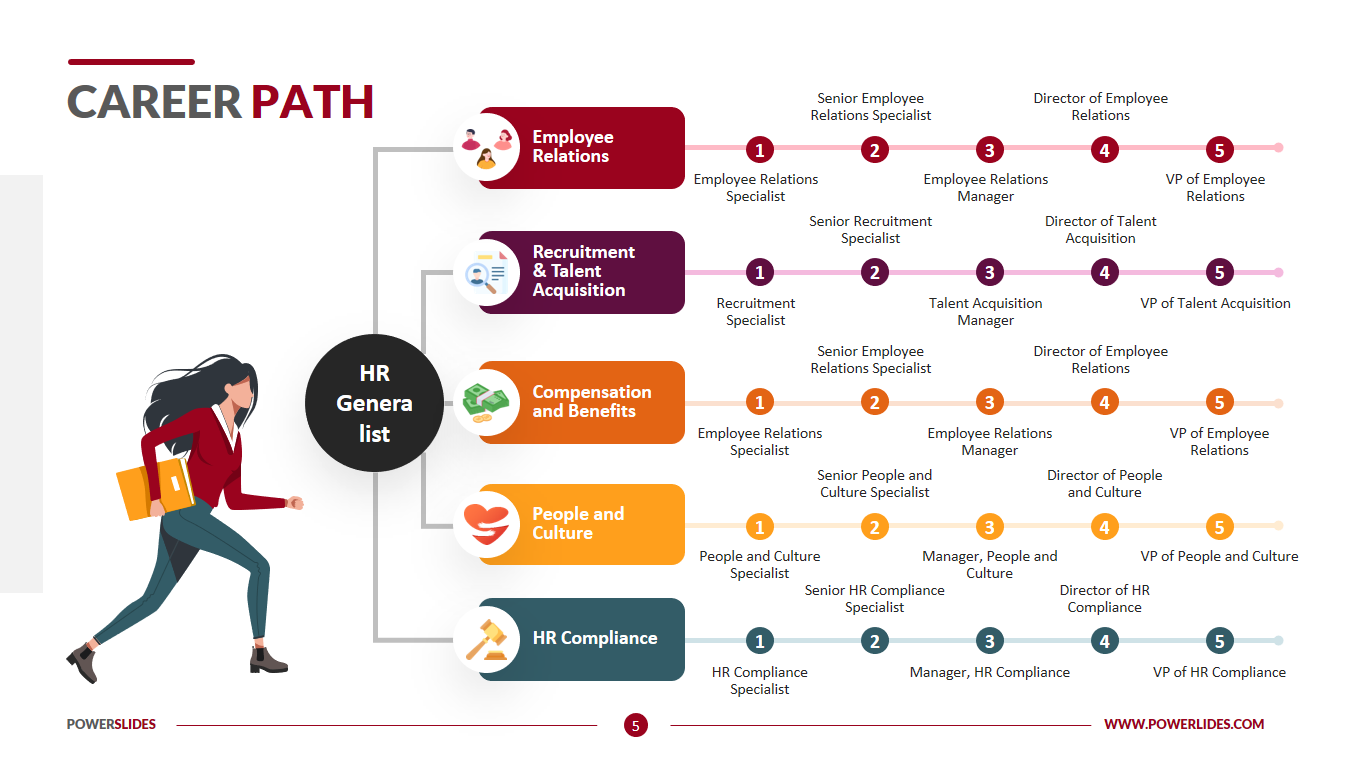
Both tracks offer clear ladders, though the titles differ. In HR, you might start as a recruiter or HR coordinator, move to HR generalist, then specialize as a talent‑acquisition manager or compensation analyst. Senior roles include HR Business Partner, Director of People, or Chief Human Resources Officer (CHRO).
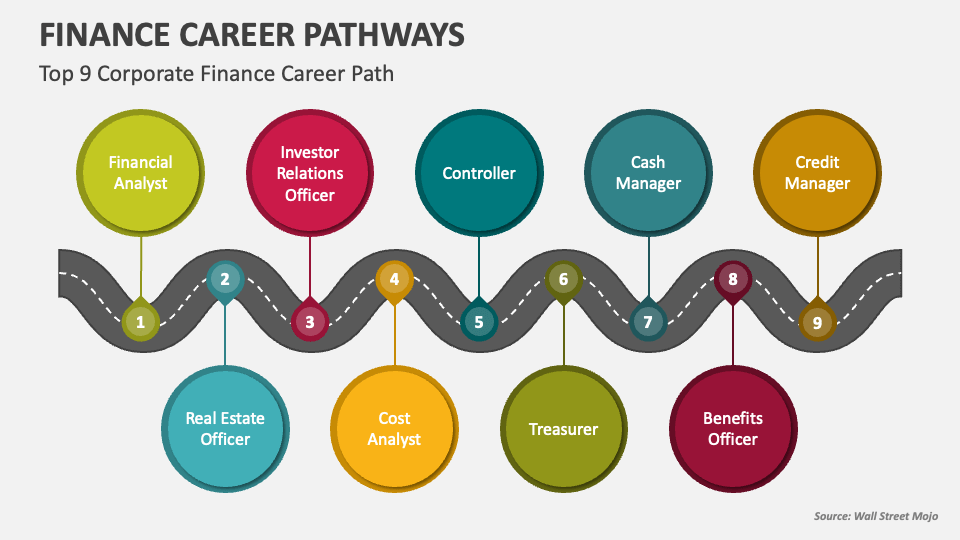
In finance, entry‑level positions often begin as junior analysts or accounting assistants. With experience, you could become a senior financial analyst, finance manager, controller, or climb to Chief Financial Officer (CFO). Some professionals pivot into corporate development, risk management, or investment banking.
Work Environment and Lifestyle
HR roles tend to be people‑centric, meaning you’ll spend a lot of time in meetings, conducting interviews, and facilitating workshops. The pace can be cyclical—peaks during hiring seasons or annual reviews, quieter periods when policies are being refined.
Finance departments usually operate on strict deadlines, especially around month‑end close, quarterly reporting, and tax season. The work can be high‑pressure, but it also often offers more predictable hours once the reporting cycle ends.
Compensation and Growth Outlook
According to recent industry surveys, entry‑level salaries in both fields are comparable, typically ranging from $50,000 to $70,000 depending on location and company size. Mid‑career professionals—HR managers and financial analysts—often earn between $80,000 and $110,000. Senior executives, such as CHROs and CFOs, can command six‑figure packages that include bonuses, stock options, and other incentives.
Job growth is robust for both. The Bureau of Labor Statistics projects a 12% increase for HR specialists over the next decade, while financial analyst roles are expected to grow around 9%. Your personal advancement will hinge more on networking, certifications (like SHRM‑CP for HR or CFA for finance), and continuous learning.
How to Choose the Right Path for You
Start by reflecting on three questions:
- Do I thrive on building relationships and helping others succeed? If yes, HR may feel more natural.
- Am I energized by crunching data and predicting financial outcomes? That points toward finance.
- Which work style—dynamic, people‑focused versus analytical, deadline‑driven—matches my personality?
Consider shadowing professionals in each department, taking a short online course, or earning a relevant certification. Real‑world exposure often clarifies preferences far better than abstract research.
FAQ
Can I transition from HR to finance or vice versa?
Yes, but it usually requires additional training. For HR‑to‑finance moves, gaining proficiency in Excel, financial modeling, and perhaps earning a CPA or CFA can help. Finance‑to‑HR transitions often benefit from courses in employment law, talent management, or a SHRM certification.
Which career offers better work‑life balance?
Both can provide balance, but it varies by company culture and role. HR positions that focus on strategic initiatives may have more predictable hours, while frontline recruiting can be deadline‑heavy. Finance roles often experience intense periods around reporting dates, followed by quieter intervals.
Do I need a specific degree for either field?
HR professionals typically hold degrees in human resources, psychology, or business administration. Finance roles favor majors in accounting, economics, or finance. However, many organizations value relevant experience and certifications just as much as formal education.
Is one field more resilient during economic downturns?
Both have built‑in resilience. Companies still need to manage payroll, compliance, and talent during tough times, while finance teams become crucial for cash‑flow management and cost‑cutting strategies. The demand may shift, but the core functions remain essential.